
10 Dodge and Chrysler Models that Struggle With Reliability
From oil-sludging V6 sedans to glitch-prone crossovers, these models earned reputations as some of the least reliable vehicles the brands ever built.


Intro
Reliability has never been uniform across the lineup of Dodge and Chrysler. While both brands have produced durable trucks, minivans, and muscle cars, several models, particularly from the late 1990s through the mid-2010s, developed reputations for mechanical and electrical problems.
Consumer complaint databases, owner reports, and recall histories highlight a number of vehicles that consistently appear near the bottom of reliability rankings. Engine sludge, fragile transmissions, and widespread electrical faults became recurring themes across these cars.
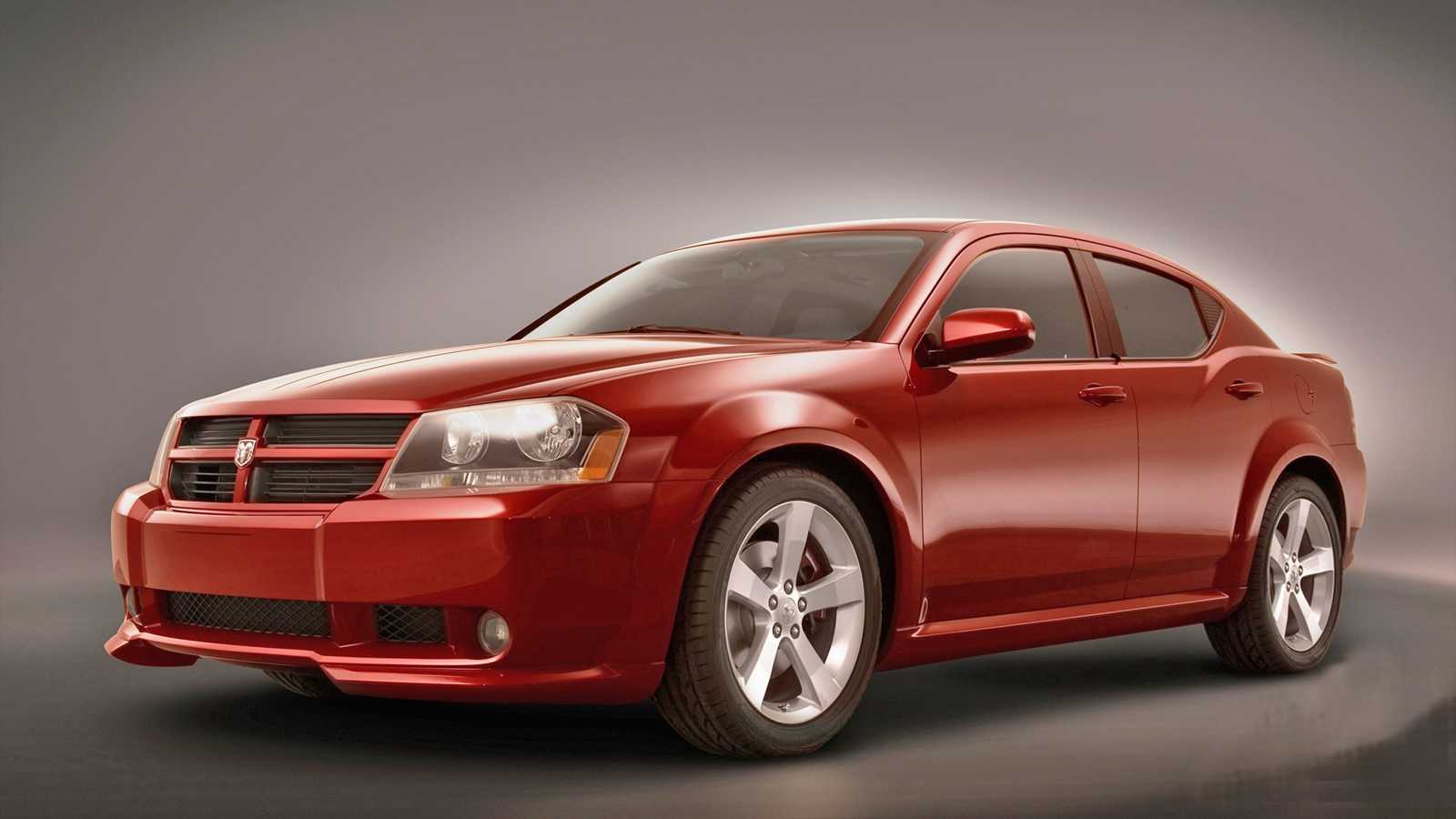
10. Dodge Avenger (2008–2014)
The second-generation Avenger arrived for 2008 as Dodge’s mid-size contender against cars like the Toyota Camry and Honda Accord. Instead, it became known for inconsistent build quality and drivetrain issues. Power came from engines such as a 2.4-liter four-cylinder producing 173 horsepower or a 3.6-liter Pentastar V6 with 283 horsepower. Despite respectable output, owners frequently reported harsh transmission behavior, including delayed shifts and hesitation under acceleration.
Electrical problems were also common, ranging from malfunctioning instrument clusters to faulty sensors. Combined with subpar interior durability, the Avenger struggled to shake its reputation as one of Dodge’s least dependable sedans.
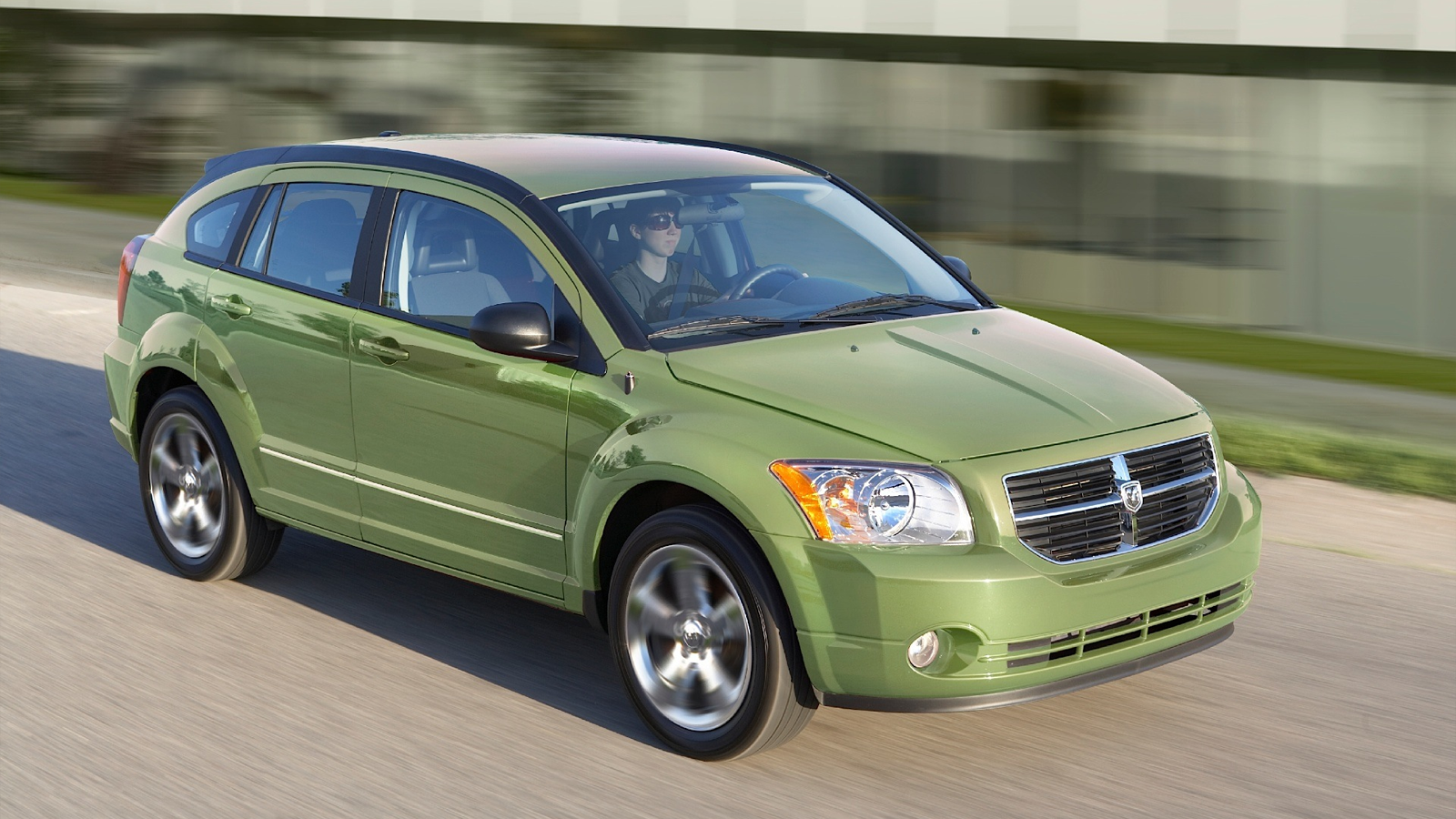
9. Dodge Caliber (2007–2012)
Replacing the Neon in 2007, the Caliber was Dodge’s attempt to enter the compact hatchback market. It offered practicality and optional all-wheel drive, but reliability issues overshadowed those advantages. Most models used a 2.0- or 2.4-liter four-cylinder engine paired with a continuously variable transmission (CVT). The CVT became one of the car’s most criticized components, with many owners reporting premature failure or shuddering under load.
Other common complaints included worn suspension components, electrical glitches, and rapidly deteriorating interior materials. While the Caliber lasted until 2012, it never gained the durability reputation Dodge had hoped for.
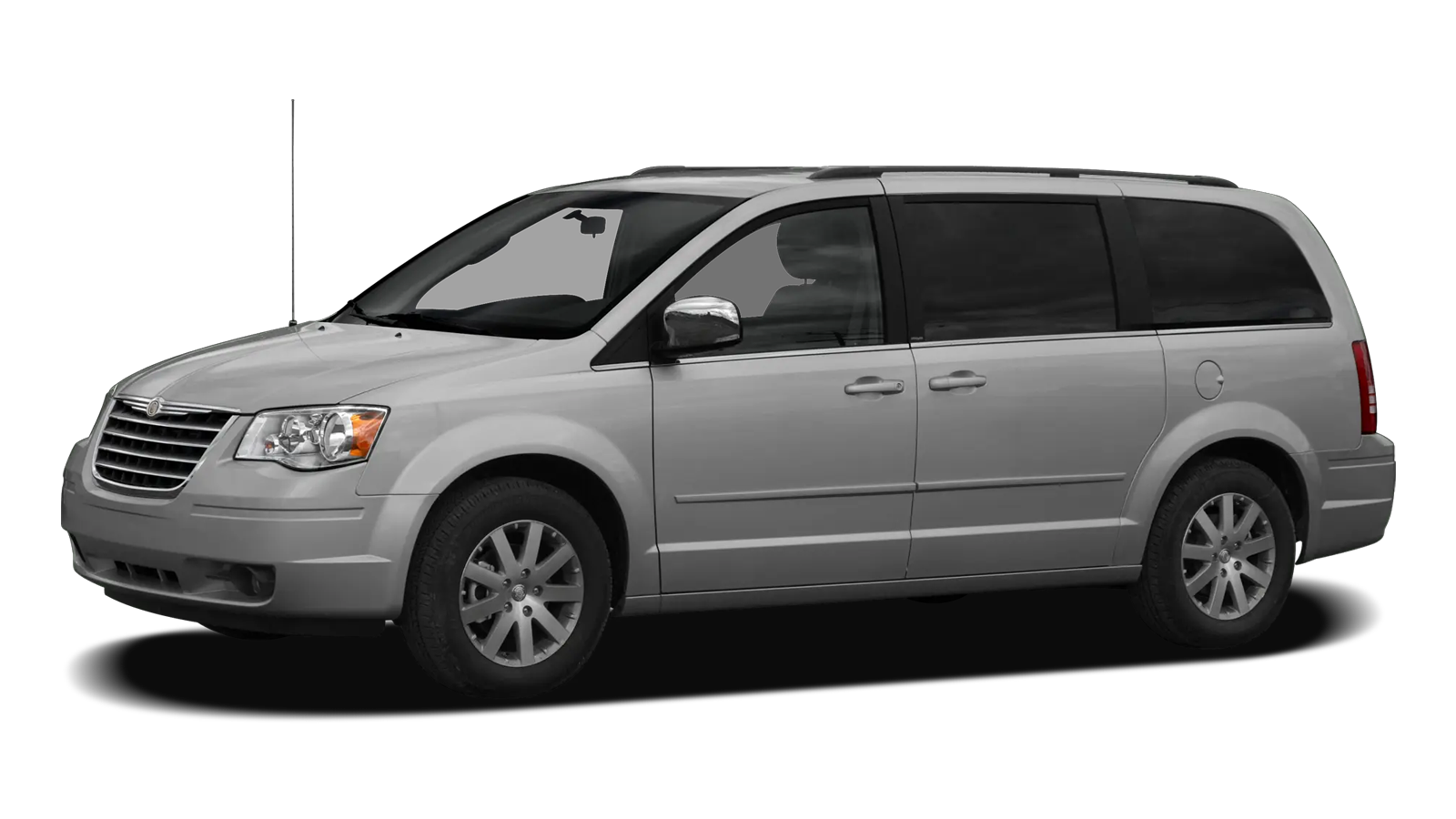
8. Chrysler Town & Country (2008–2016)
For decades the Town & Country defined the American luxury minivan. However, the fifth-generation model introduced for 2008 developed a pattern of reliability complaints. The standard engine was a 3.6-liter Pentastar V6 producing 283 horsepower, paired with a six-speed automatic transmission. The drivetrain itself was generally solid, but the van suffered from numerous electrical issues.
Owners frequently reported problems with power sliding doors, malfunctioning entertainment systems, and failures of the Totally Integrated Power Module (TIPM), a component that could trigger fuel pump or starting problems. Despite these issues, the Town & Country remained popular with families thanks to its spacious interior and Stow ’n Go seating.
7. Chrysler Pacifica (Crossover: 2004-2008)
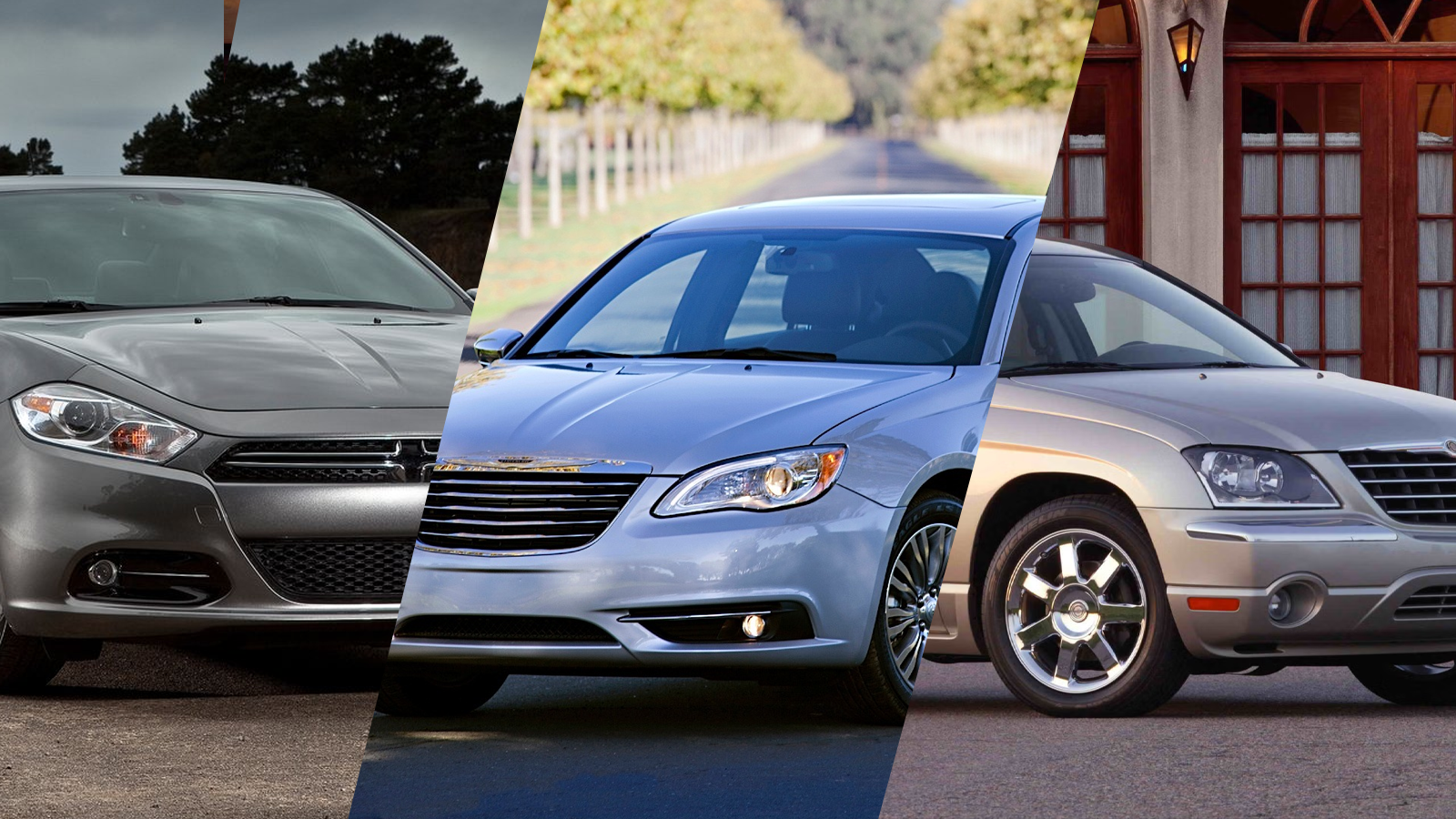
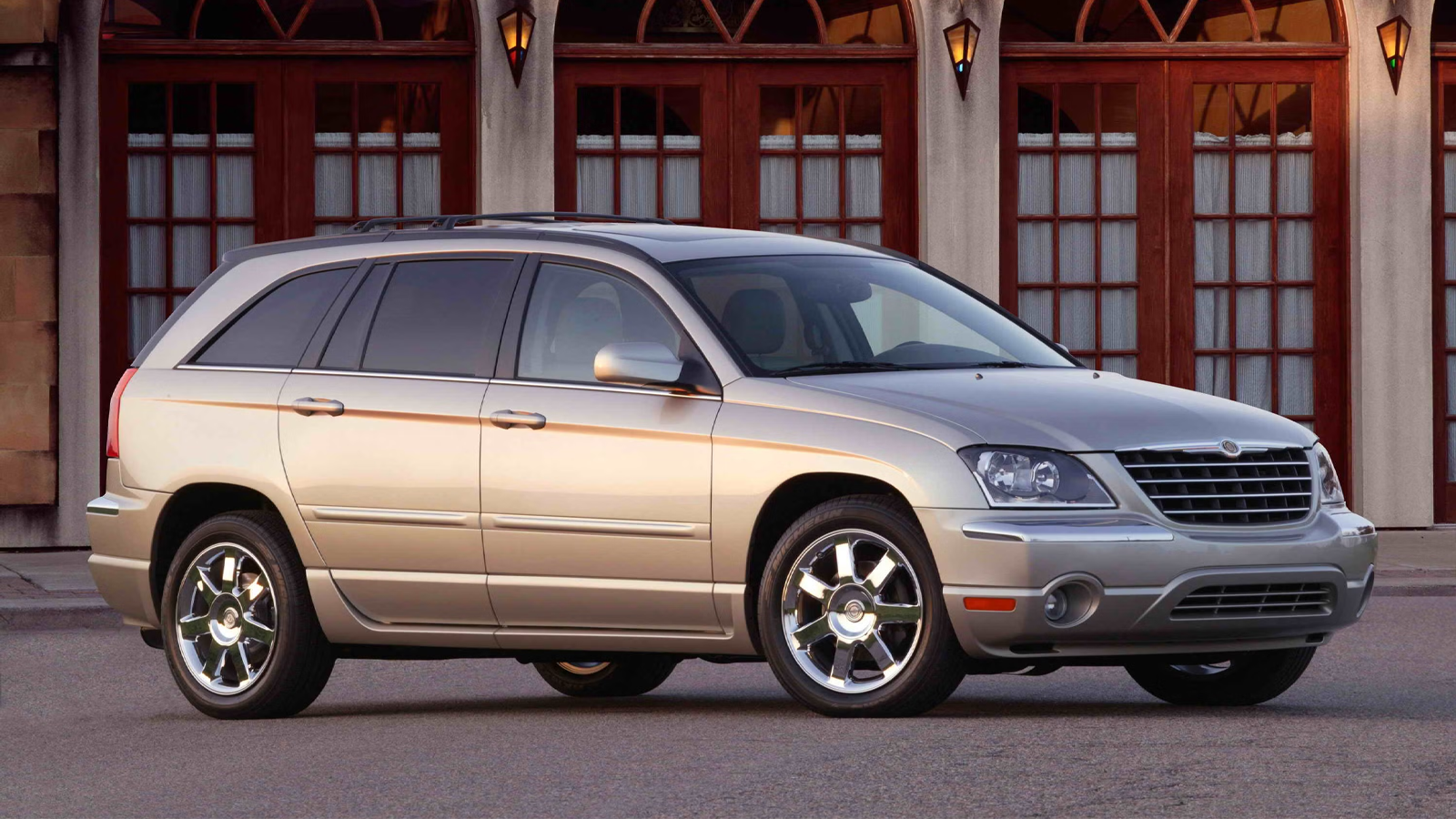
Long before the modern Pacifica minivan arrived, Chrysler sold a crossover bearing the same name from 2004 to 2008. Positioned between a wagon and an SUV, it offered a comfortable ride and an upscale interior. Under the hood were V6 engines ranging from 3.5 to 4.0 liters, producing up to 255 horsepower. Unfortunately, the vehicle became notorious for structural rust in the engine cradle.
In severe cases, the cradle could corrode to the point of failure, potentially compromising suspension components. Electrical faults and expensive drivetrain repairs further damaged the model’s reputation, making this early Pacifica one of Chrysler’s most criticized vehicles.
6. Dodge Dart (2013–2016)
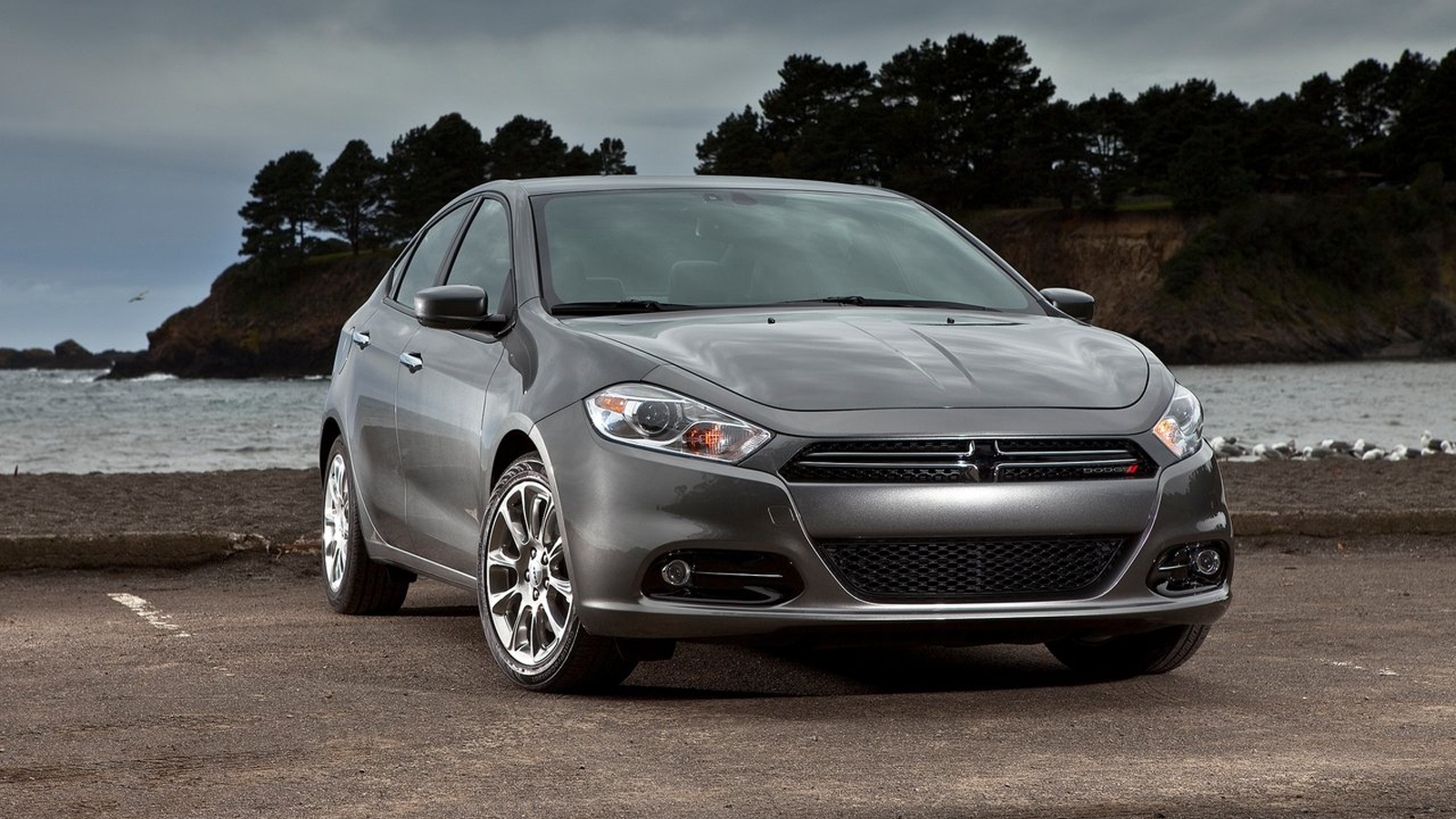
When Dodge revived the Dart nameplate in 2013, it aimed to compete in the crowded compact-sedan segment. Built on a platform related to the Alfa Romeo Giulietta, the Dart offered modern styling and a choice of three engines. The lineup included a 2.0-liter four-cylinder with 160 horsepower, a 1.4-liter turbocharged engine producing the same output, and a 2.4-liter Tigershark engine rated at 184 horsepower.
Despite promising specs, the car suffered from reliability issues almost immediately. Owners reported excessive oil consumption in the 2.4-liter engine, frequent electrical glitches, and problems with the dual-clutch automatic transmission. Several recalls, including one involving shifter cables, further complicated the model’s short lifespan.
5. Dodge Journey (2009–2020)
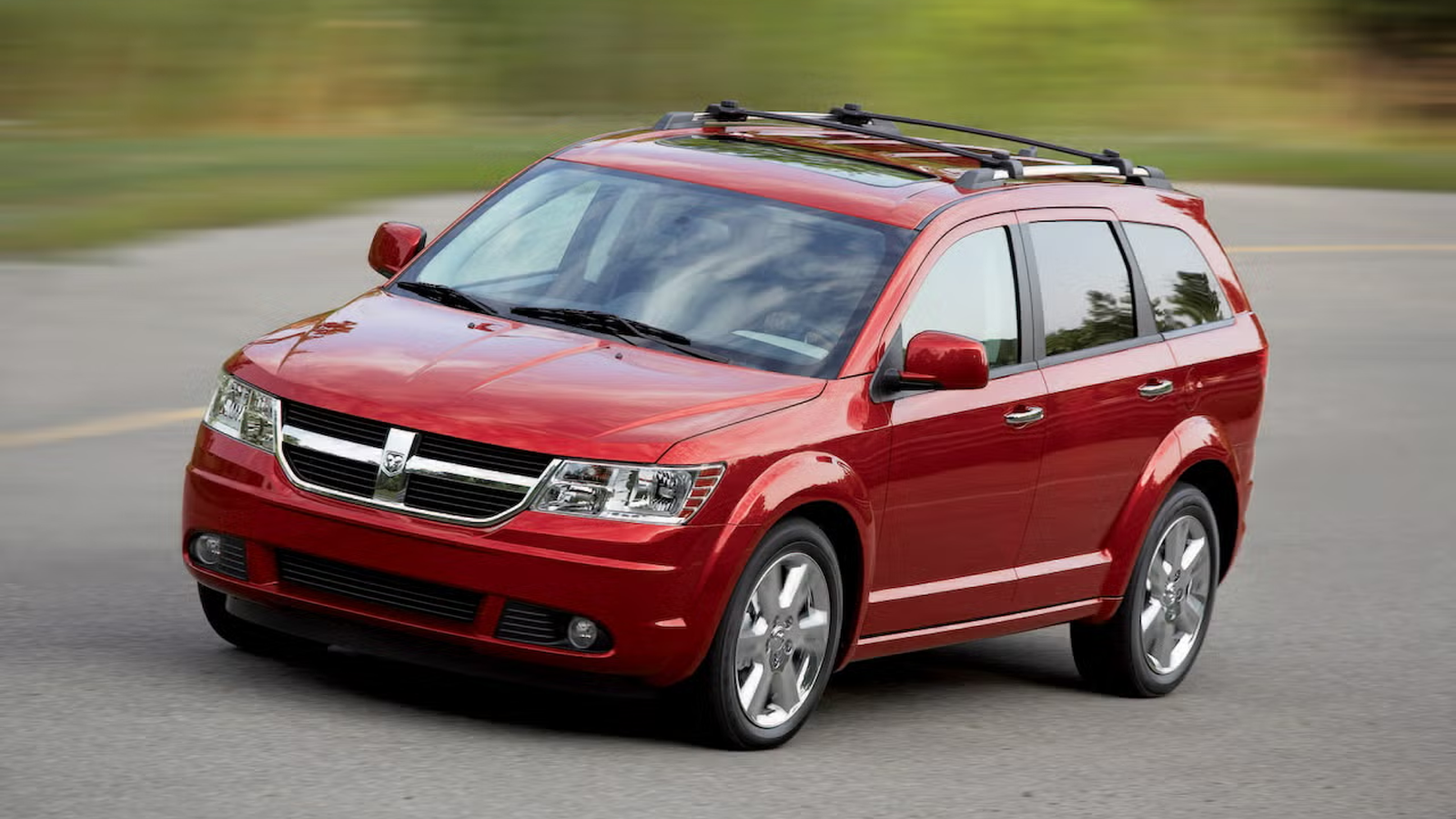
The Journey was designed as an affordable family crossover, and its low price kept it on sale for more than a decade. Early models, however, generated a high number of complaints. Initial versions used a 2.4-liter four-cylinder engine producing 173 horsepower, while later models offered a 283-horsepower 3.6-liter Pentastar V6.
The base four-cylinder paired with a four-speed automatic transmission often felt underpowered and strained. Common issues included premature brake wear, overheating problems, and electrical faults involving the infotainment system and sensors. The 2009 model year in particular accumulated hundreds of owner complaints.
4. Chrysler 200 (2011–2017)
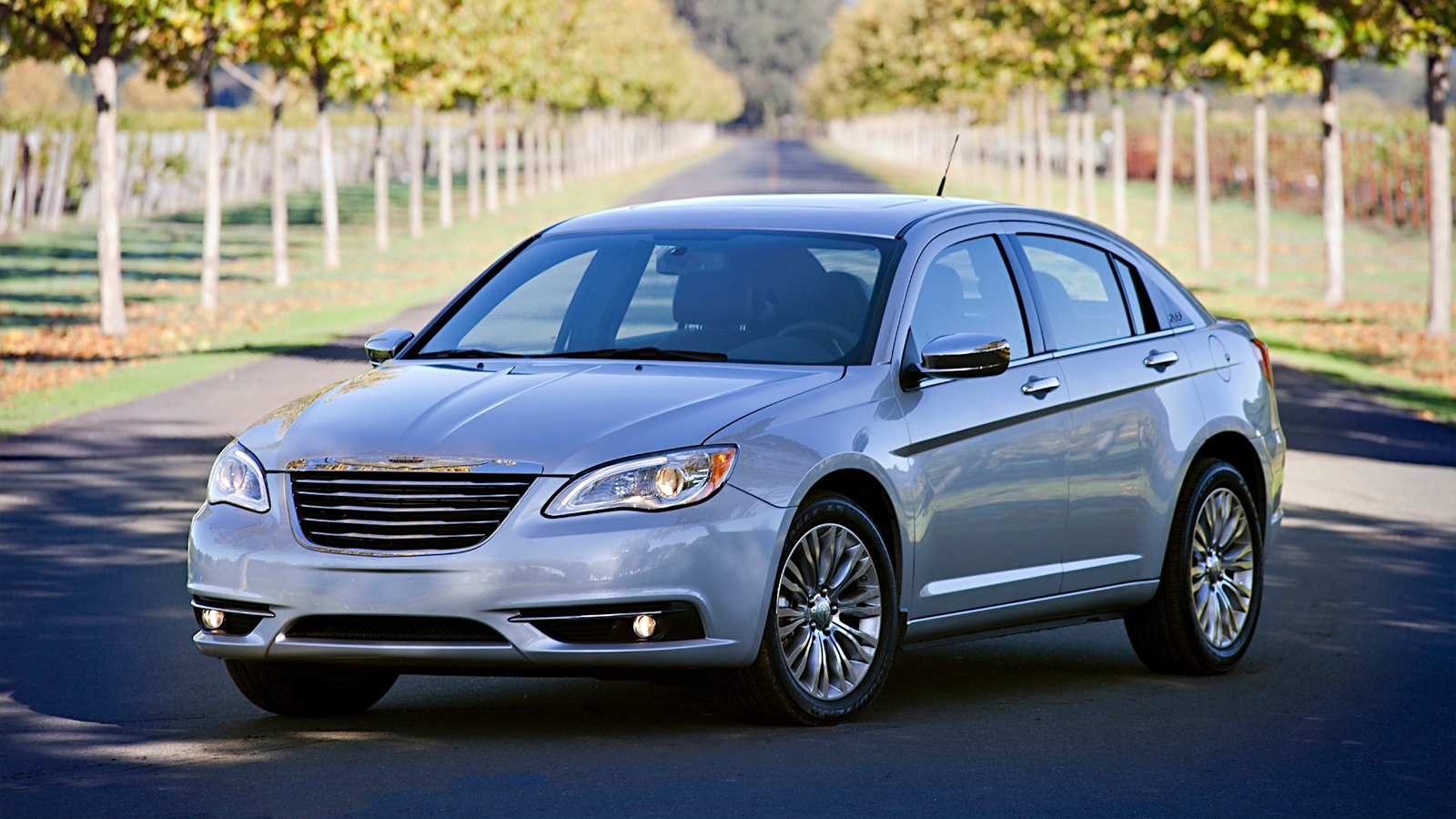
The Chrysler 200 replaced the Sebring in 2011 and underwent a full redesign for 2015. The second-generation model introduced sleeker styling and a modern interior, along with a nine-speed automatic transmission. Engine options included a 2.4-liter Tigershark four-cylinder producing 184 horsepower and a 295-horsepower Pentastar V6. On paper, the car looked competitive. In practice, the nine-speed transmission became a major source of complaints.
Drivers reported rough shifting, hesitation, and unpredictable gear changes. Combined with reports of engine stalling and oil consumption, the 200 struggled to establish a reputation for durability before production ended in 2017.
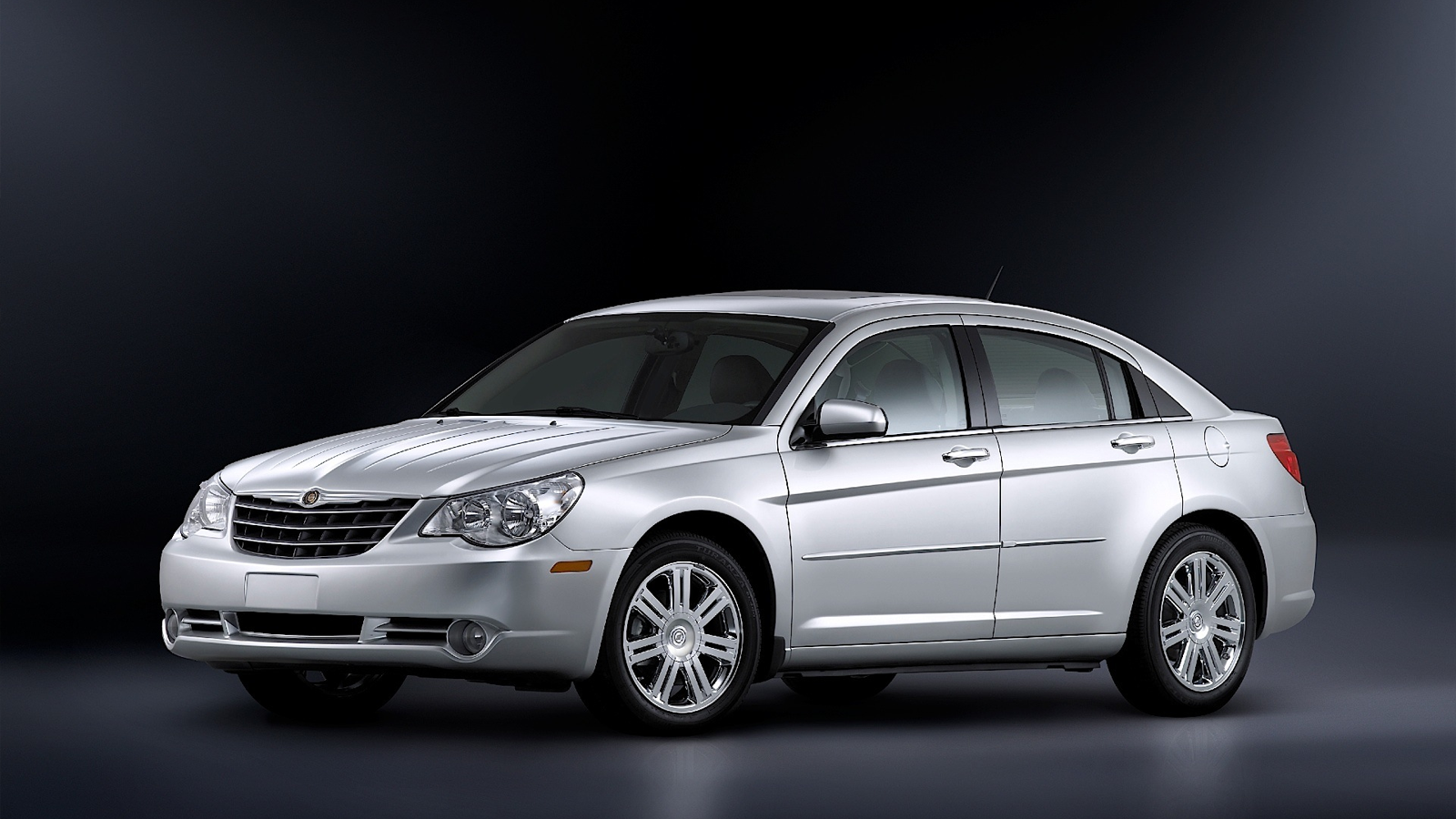
3. Chrysler Sebring (2001–2010)
The Sebring served as Chrysler’s mainstream mid-size car for nearly two decades, but later versions were frequently criticized for reliability issues. Engines ranged from a 2.4-liter four-cylinder producing around 150 horsepower to a 2.7-liter V6 generating 200 horsepower. That 2.7-liter engine became infamous for oil sludge buildup when maintenance intervals were stretched. The resulting lubrication problems could lead to catastrophic engine failure. Transmission failures and electrical gremlins further contributed to the Sebring’s reputation as one of Chrysler’s least dependable cars.
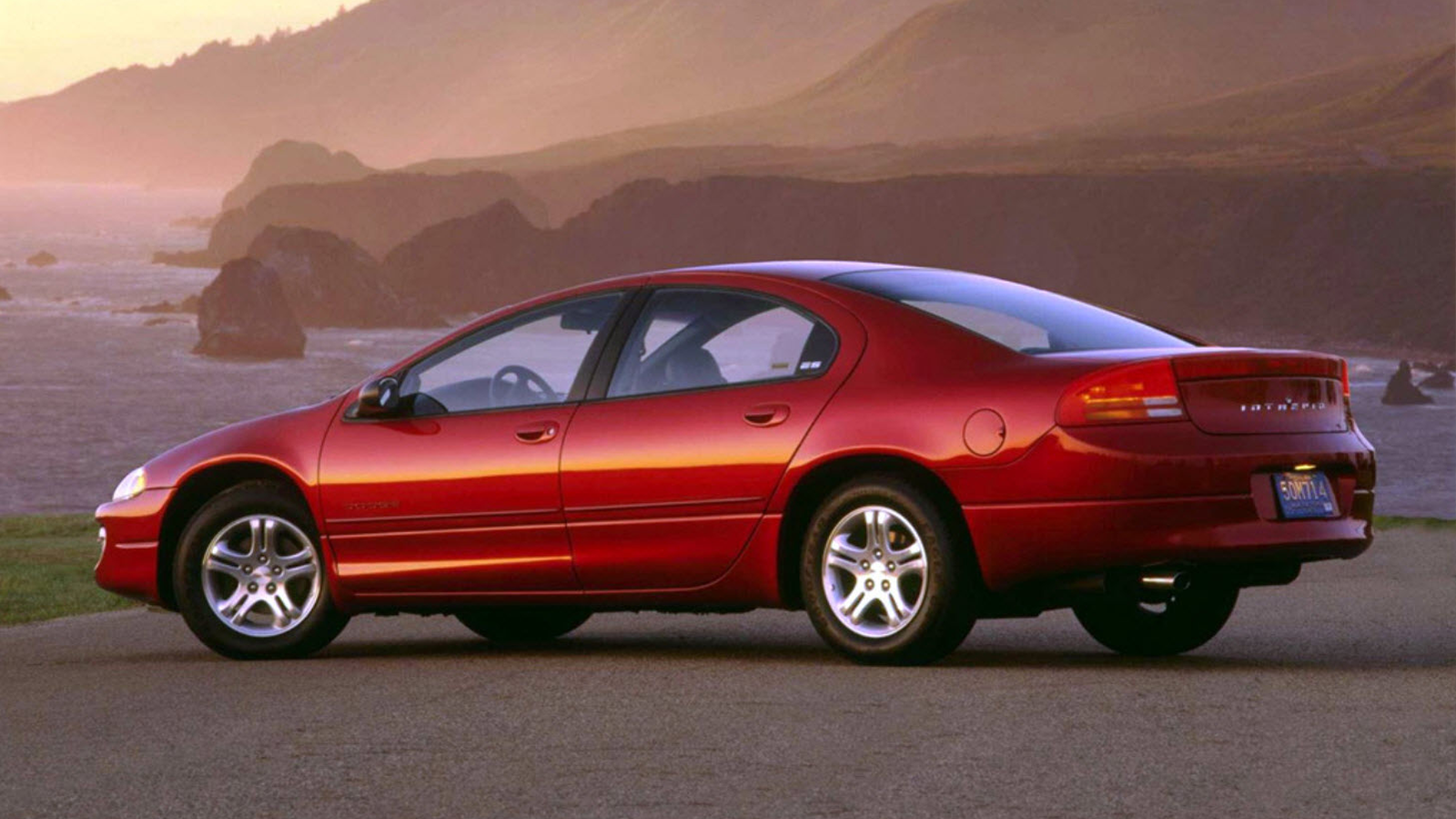
2. Dodge Intrepid (1998–2004)
The second-generation Intrepid was one of Dodge’s flagship sedans in the early 2000s, featuring the brand’s distinctive “cab-forward” design. Power came from engines such as a 2.7-liter V6 producing roughly 200 horsepower or a larger 3.5-liter V6 with up to 250 horsepower.
Unfortunately, the smaller engine developed a widespread reputation for oil sludge buildup. In severe cases, the sludge restricted oil flow and destroyed the engine. The issue became so widespread that it led to lawsuits and extended warranty coverage from Chrysler.
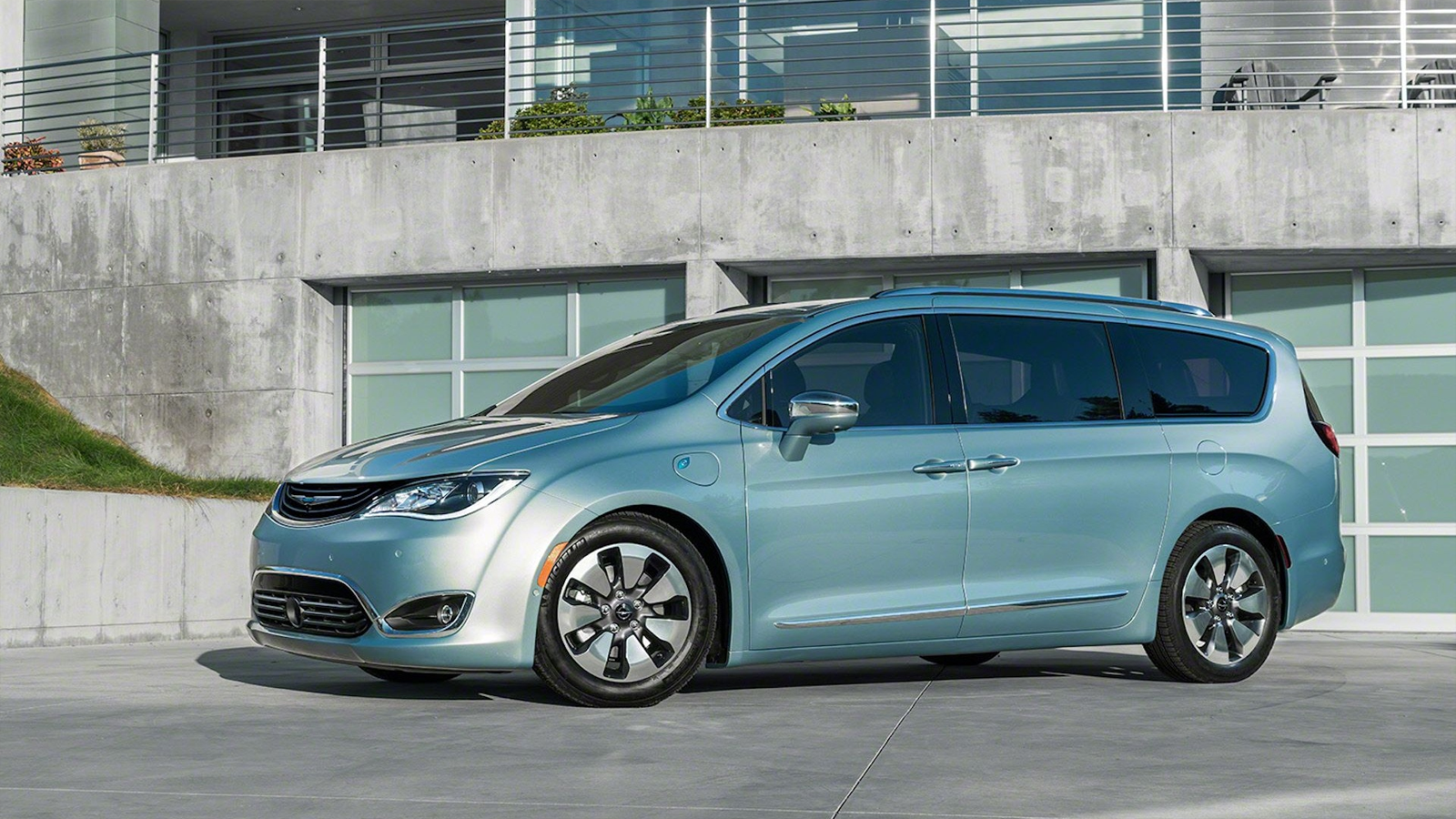
1. Chrysler Pacifica Hybrid (2017–early years)
The plug-in hybrid version of the Pacifica minivan introduced advanced technology to the segment. It combined a 3.6-liter Pentastar V6 with an electric motor system producing a combined 260 horsepower and offered an electric-only driving range of more than 30 miles.
Early production years, however, were marked by recalls and reliability concerns related to the hybrid battery system and electrical components. Some vehicles experienced unexpected shutdowns or power loss. While later updates improved reliability, the early models illustrate the challenges automakers often face when introducing complex new drivetrain technology.