
Dodge Charger Daytona EV Will Reportedly Have Solid State Battery by 2026
Solid-state battery prototypes set to power the 2026 Dodge Charger Daytona EVs, advancing energy density, efficiency, and real-world electric vehicle testing.


Dodge Charger Daytona and the Future of Solid-State Batteries
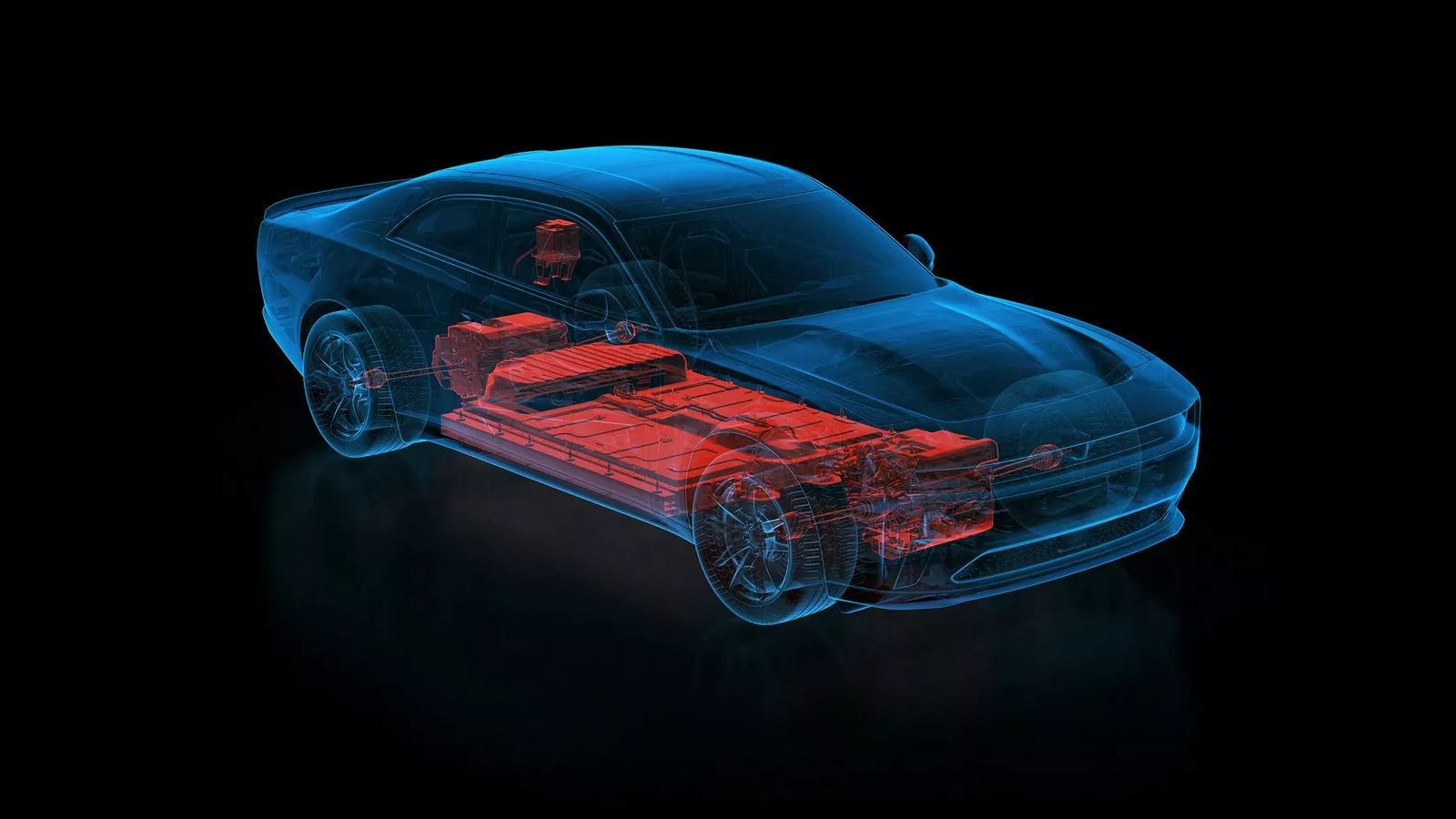
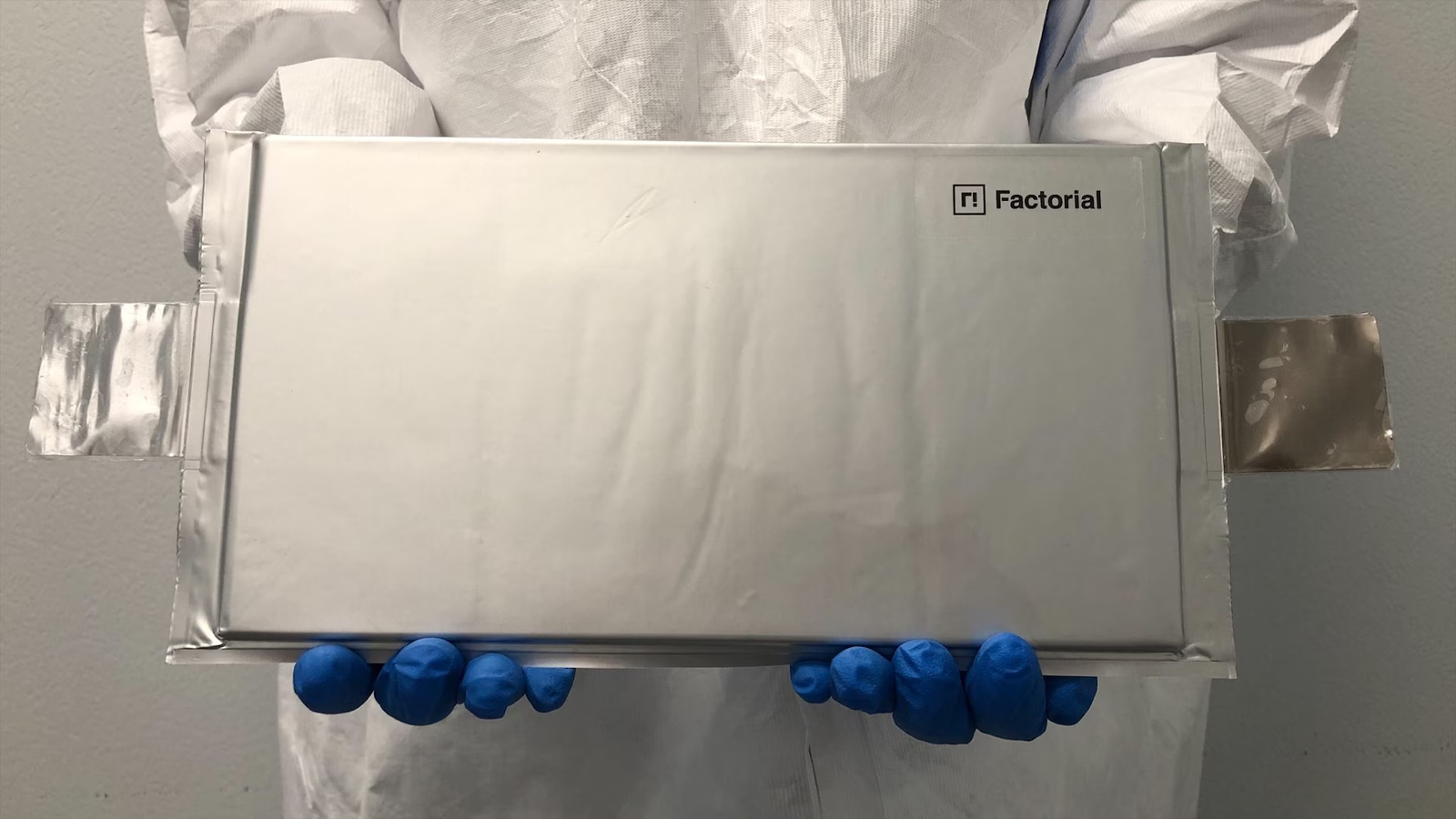
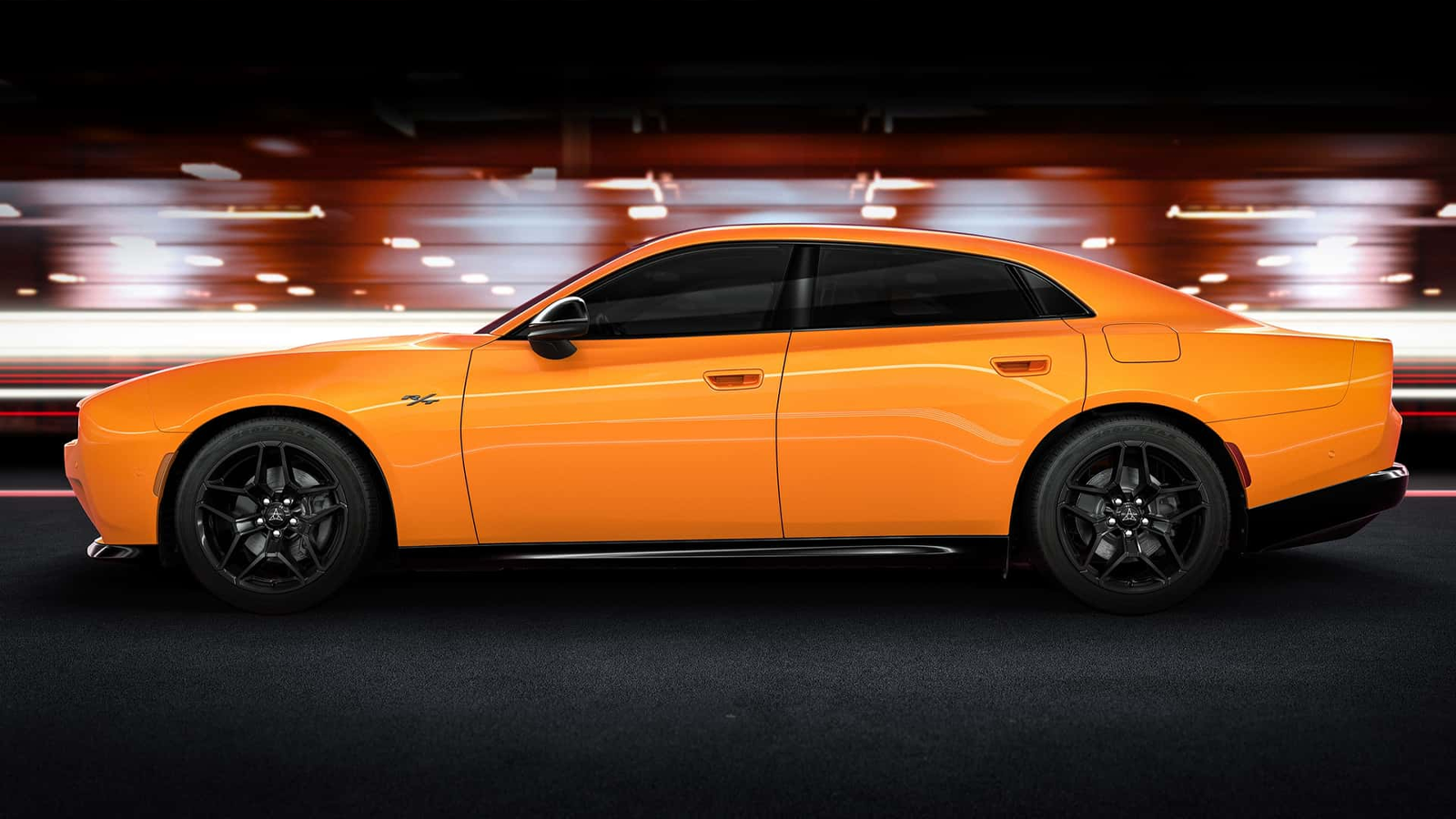
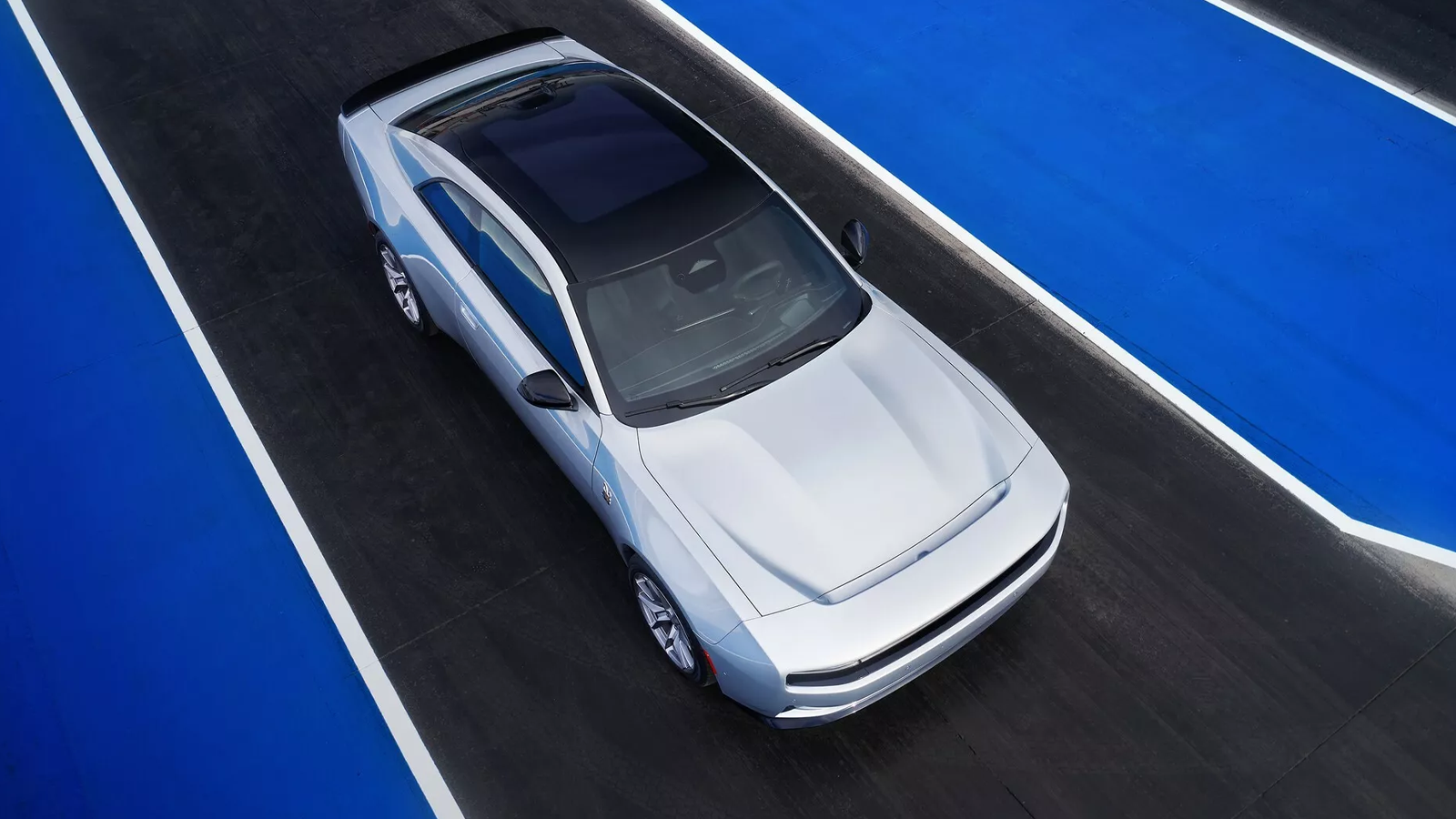
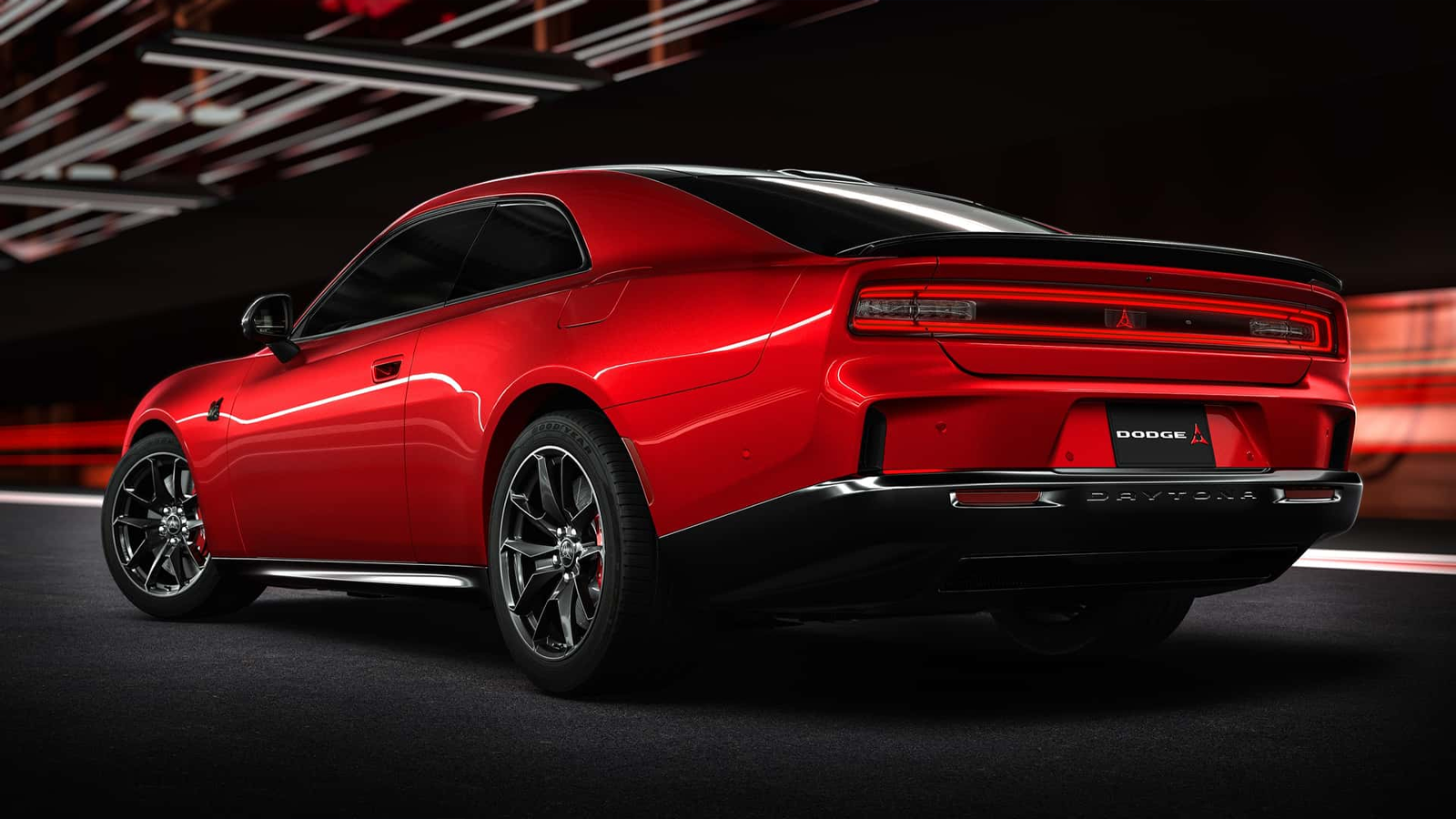
Stellantis has announced plans to incorporate groundbreaking solid-state battery technology into a test fleet of the Dodge Charger Daytona by 2026. While these Dodge EVs won’t be available for widespread consumer purchase just yet, they represent a significant leap forward in electric vehicle (EV) technology. This "demonstration fleet" will feature prototypes equipped with solid-state batteries from Factorial, marking a public milestone in the automotive world’s gradual shift away from traditional lithium-ion cells. Unlike standard batteries, these solid-state versions replace liquid electrolytes with solid materials, allowing for greater energy density and efficiency gains in EV power.
A Leap in Energy Density and Battery Performance
One of the most appealing aspects of Factorial’s solid-state batteries is their impressive energy density, which exceeds 390 watt-hours per kilogram (Wh/kg). For comparison, today’s lithium-ion cells, like General Motors' large pouch cells, typically achieve around 280 Wh/kg. This higher density allows solid-state batteries to store more energy within the same space, potentially extending vehicle range and reducing overall weight. Factorial highlights advantages such as “higher energy density, reduced weight, improved performance, and potential cost reductions,” which collectively point toward a promising future for more capable and accessible EVs.
From Laboratory to Real Roads
For Stellantis, a $75 million investment in Factorial in 2021 has fueled this partnership, culminating in a tangible step towards EV battery innovation. Stellantis’ Chief Engineering and Technology Officer, Ned Curic, emphasized the collaboration's goal: "By integrating Factorial’s innovative battery solution into the STLA Large platform, we are validating its potential to enhance our electric vehicle lineup, ensuring customers benefit from improved performance, longer driving ranges, and faster charging times." These prototypes will undergo rigorous testing to assess real-world driving conditions, a critical step toward wider-scale commercialization of solid-state technology.
Competition and the Race to Market
As Stellantis gears up for real-world testing of Factorial’s batteries, other automakers are watching closely. Companies such as QuantumScape and Solid Power, also leaders in solid-state battery development, have secured partnerships with industry giants like Volkswagen, Ford, and BMW. While many of these partnerships are in the early testing phases, Stellantis’ commitment to field-test the Charger Daytona stands out as one of the first public prototypes of solid-state technology in EVs. Industry watchers note that while BMW is also exploring solid-state demonstrations, Stellantis may be the first to showcase this technology widely.
Technological Innovations Beyond Batteries
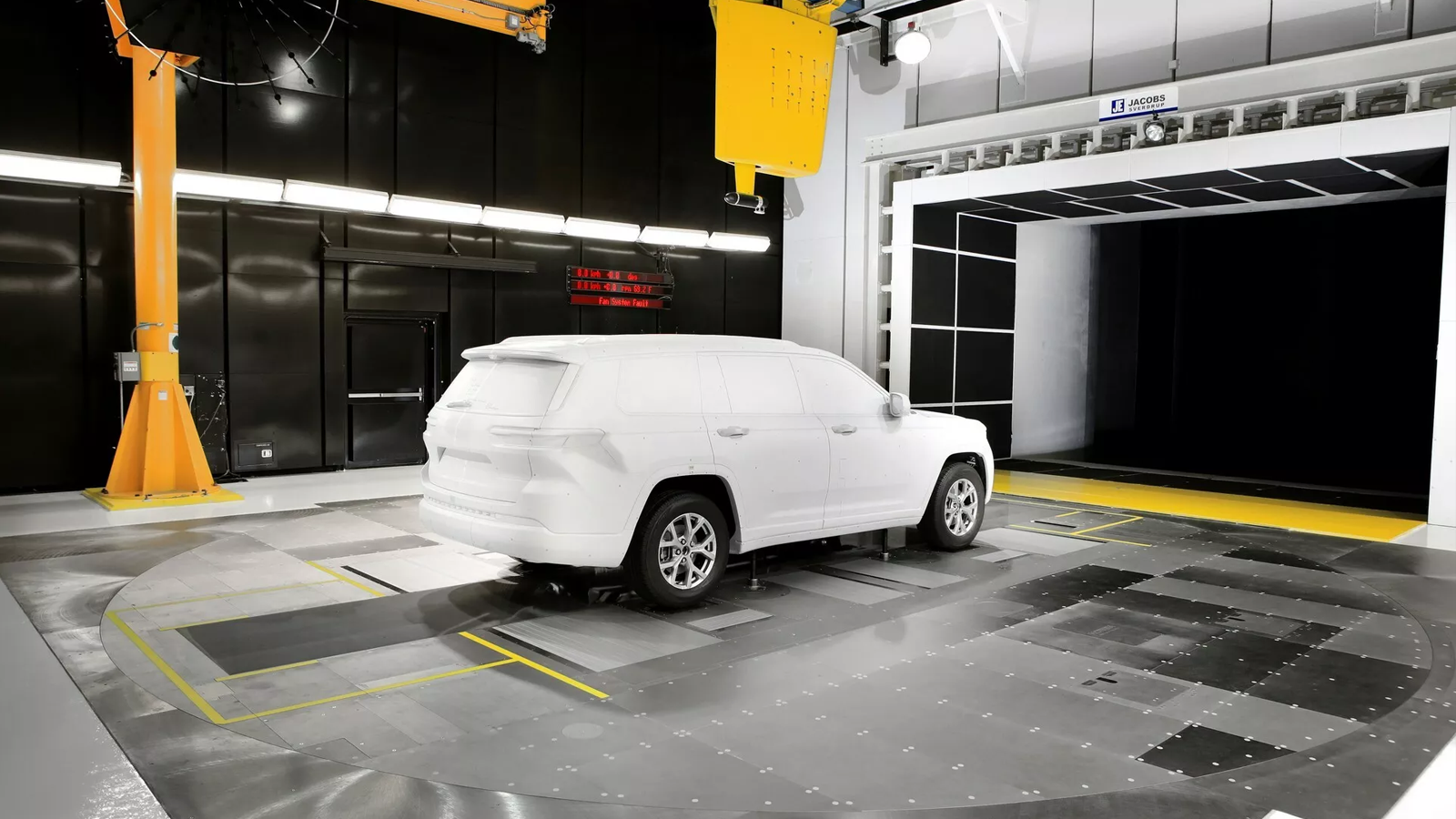
Beyond battery innovations, Stellantis is advancing in aerodynamic technology with the recent launch of a high-tech wind tunnel at its Auburn Hills, Michigan, research center. Designed with a “moving ground plane” and automated adjustments for wheelbase and track testing, this wind tunnel is dedicated to making Stellantis EVs more aerodynamically efficient. Improving aerodynamic design can reduce drag significantly—up to 10% of total real-world aerodynamic drag can come from airflow around wheels and tires. These changes allow for extended vehicle range or the potential to use smaller, more cost-effective batteries, further aligning with Stellantis’ commitment to efficient and advanced EV solutions.
Looking Ahead: The Promise of Solid-State EVs
The demonstration fleet of Dodge Charger Daytona EVs reflects Stellantis’ larger ambitions to bring solid-state battery technology to market as a viable alternative. Factorial’s solid-state batteries signal a future of higher-performing, more sustainable, and potentially more affordable EVs. However, industry skepticism remains—solid-state technology has long been seen as perpetually five years away. With Stellantis projecting its debut in just two years, the Charger Daytona EV prototypes are set to test whether solid-state technology can finally deliver on its promises.