
Dodge Viper Will Forever Be the Fastest Manual Production Car Around Nurburgring
With no successors on the horizon and the manual gearbox all but extinct in high-performance development, the Viper’s benchmark may stand indefinitely.


1. Its Lap Time Still Hasn’t Been Beaten by Any Manual Car
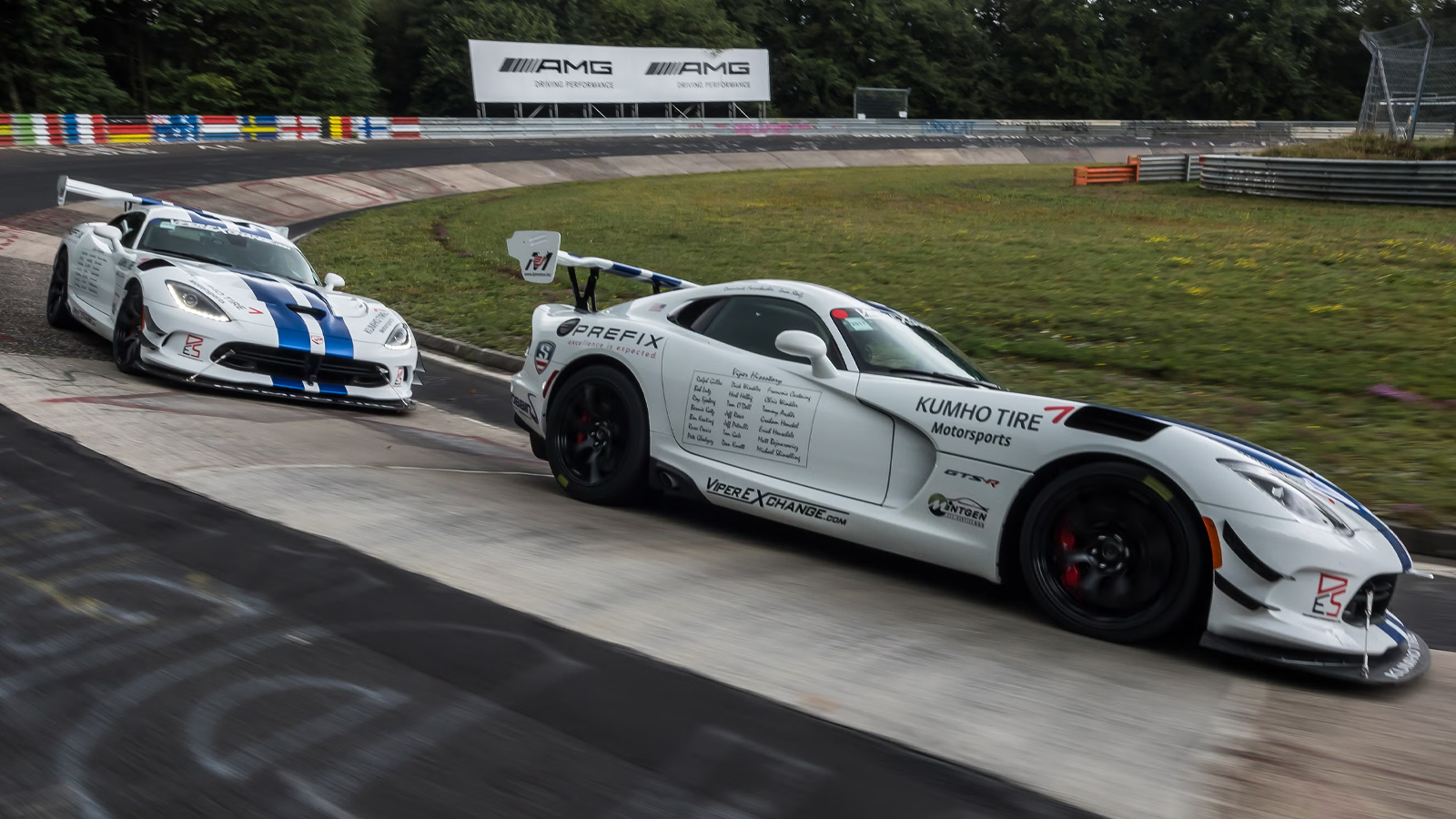
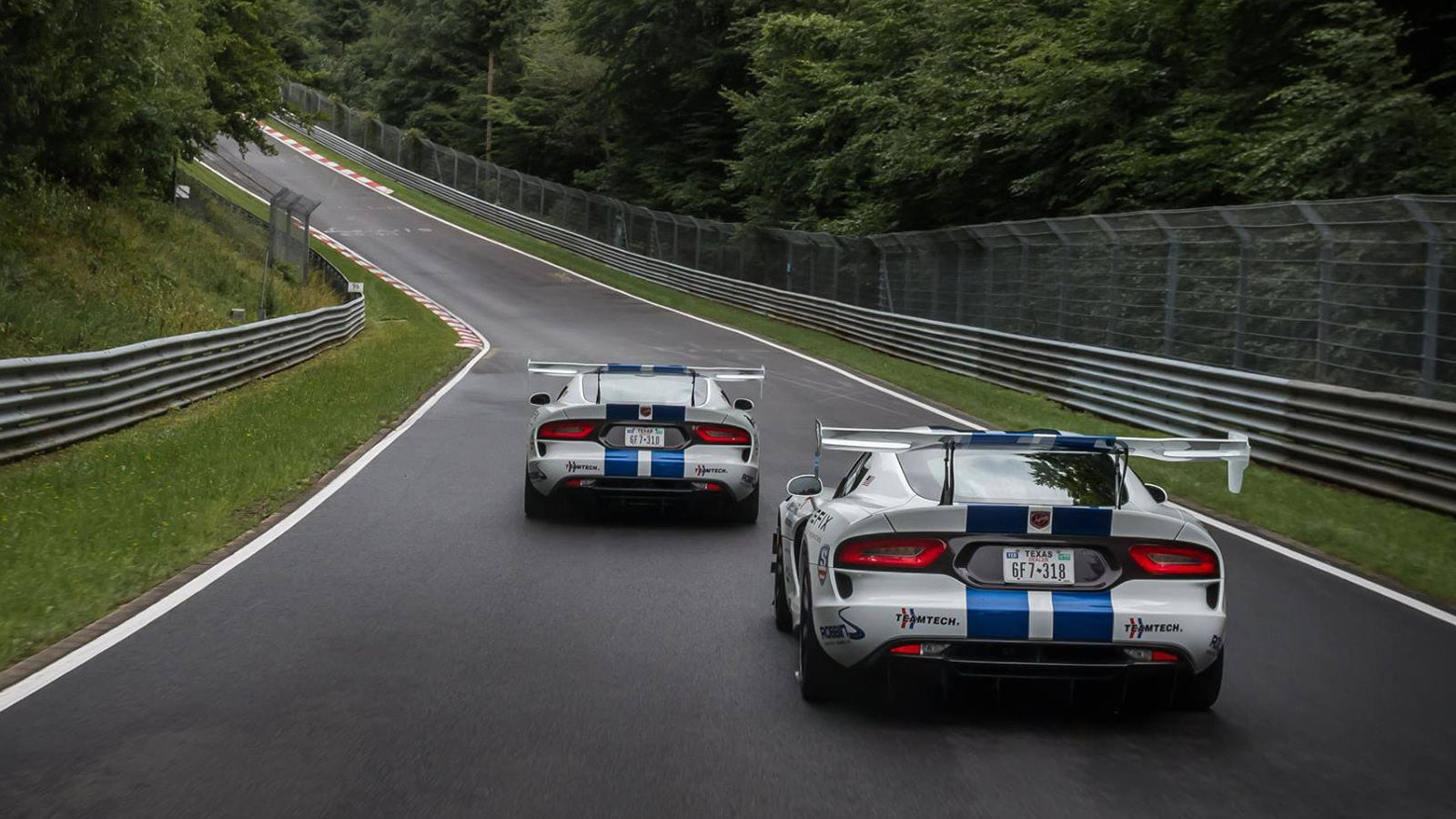
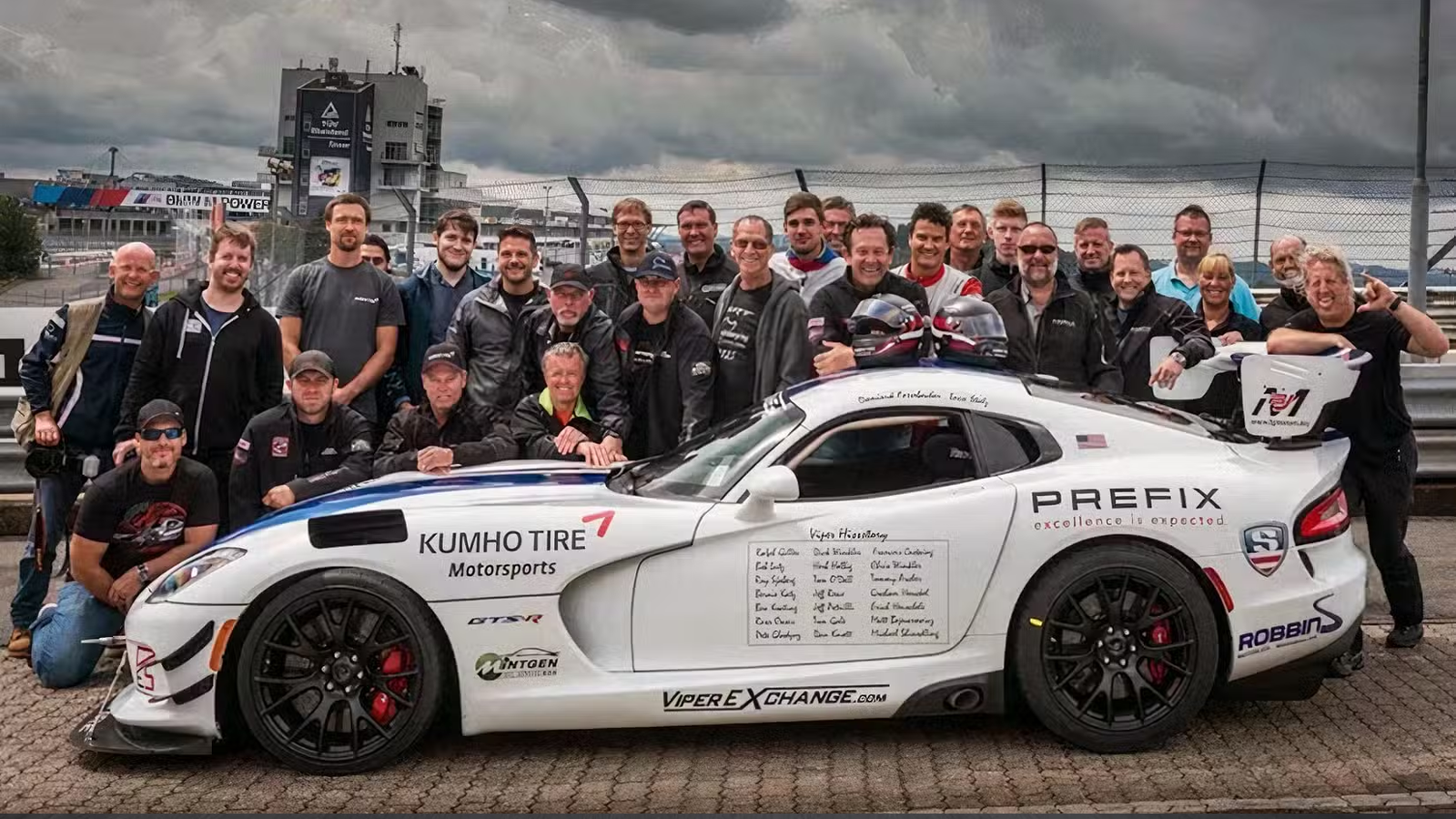
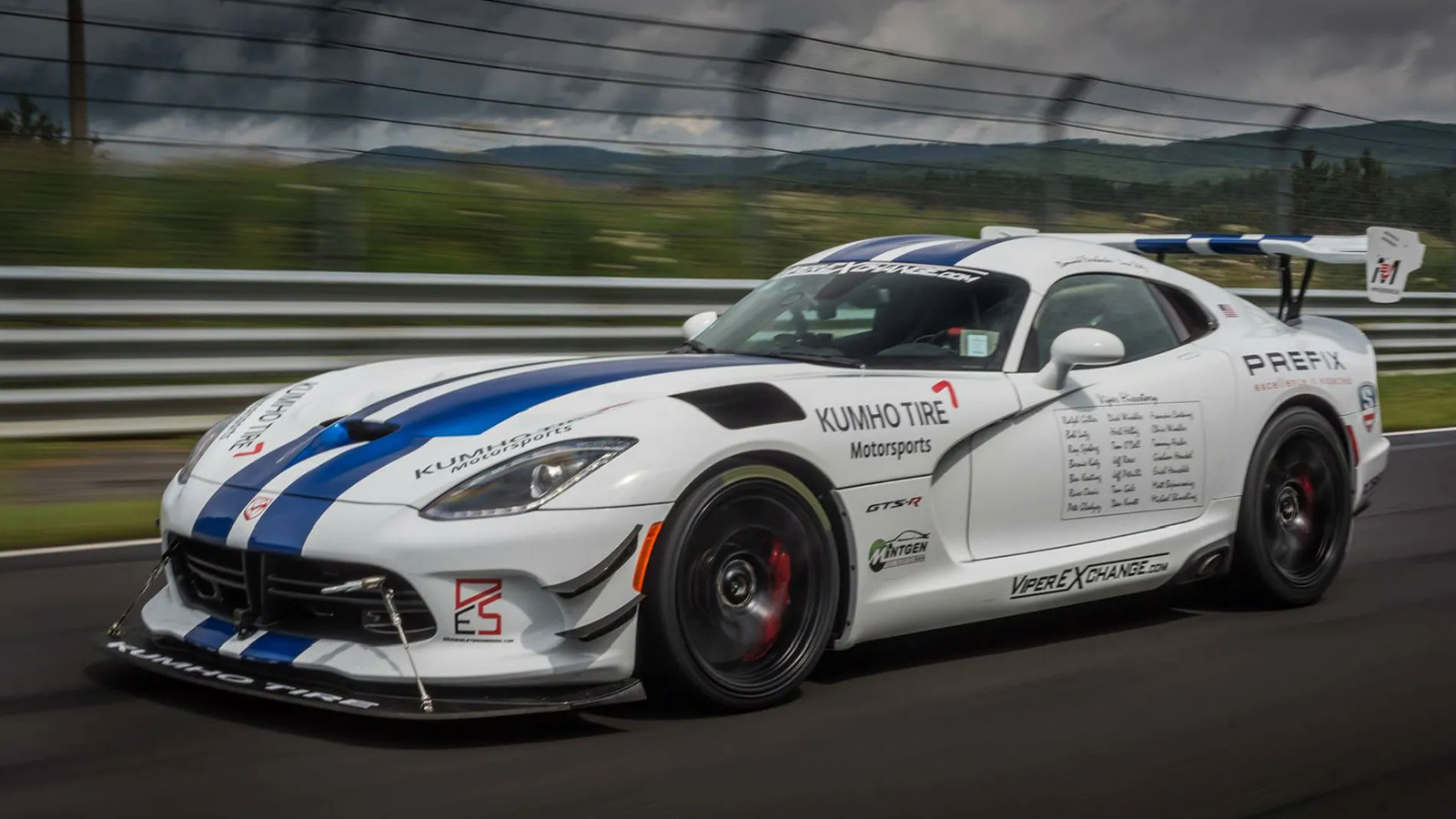
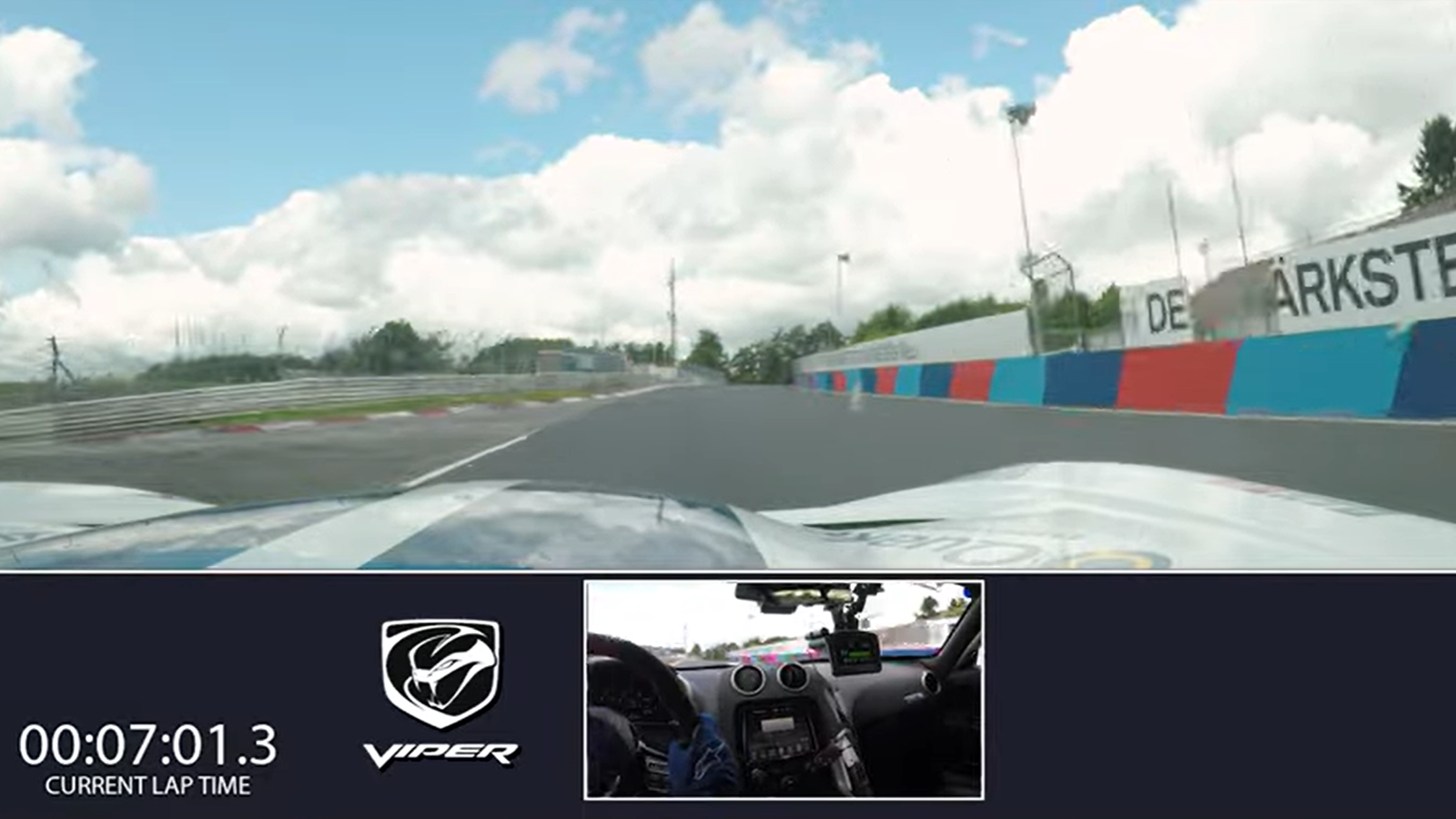
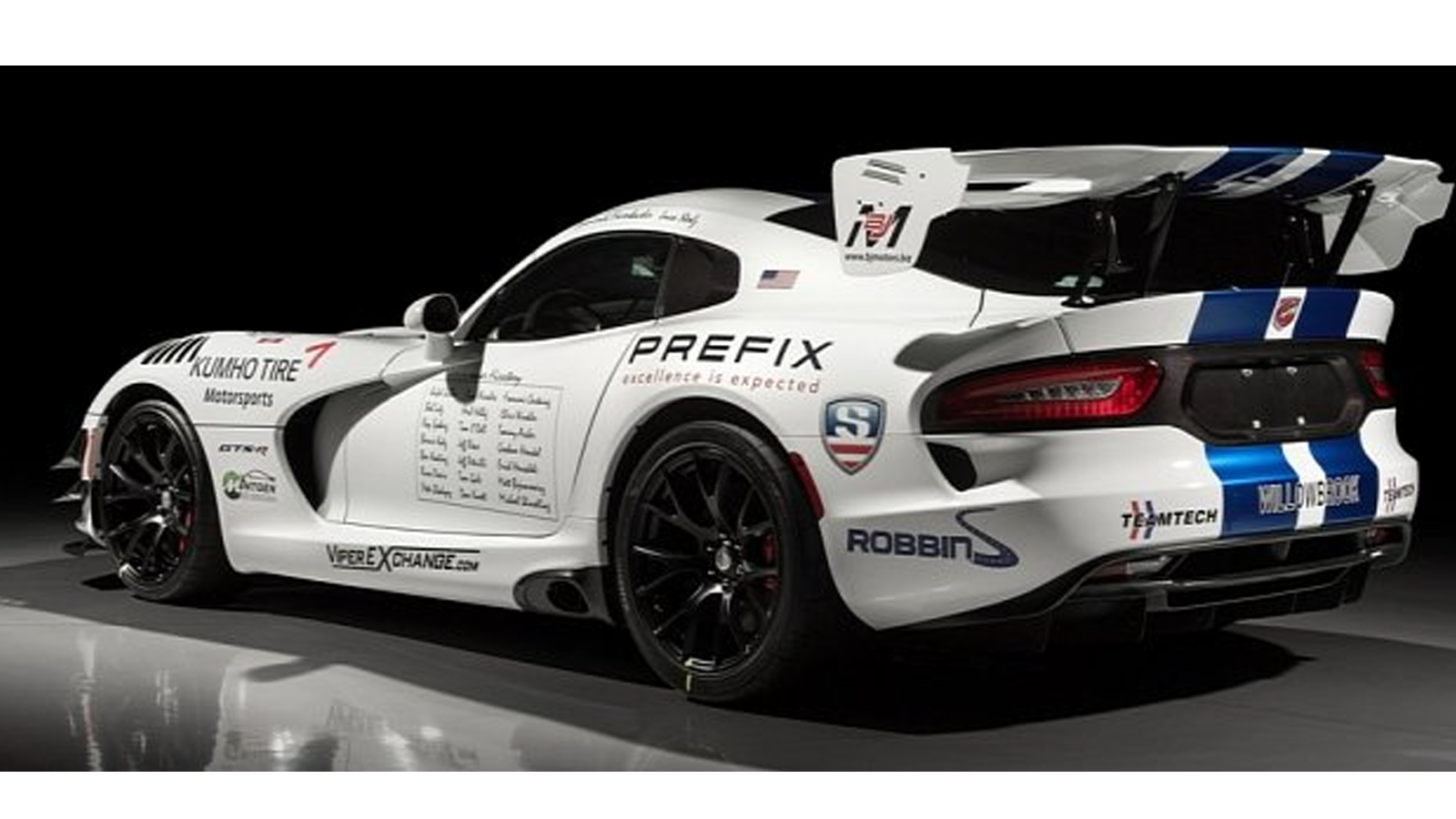
The benchmark, set by a privately organized team in 2017 using a Viper ACR, stopped the clock at 7:01.3 around the Nürburgring Nordschleife. What made the achievement remarkable was not just the time but the context: no factory backing, volunteer drivers, a shoestring budget, and a car using a traditional 6-speed manual. Since then, numerous supercars have eclipsed the number, but not one with three pedals.
2. Manual Transmissions in Hypercars Are Functionally Extinct
To surpass a 7:01 lap with a manual, a manufacturer would need to build:
- a 700–800+ hp car,
- capable aero comparable to the ACR’s 1,500+ lbs of downforce,
- a chassis designed to accommodate a stick shift,
- and the willingness to attempt a verified ’Ring lap.
No modern high-performance manufacturer is doing this. Brands like Ferrari, McLaren Automotive, and Lamborghini no longer engineer manuals for flagships. Even the last halo manual from Porsche, the 991-generation GT3, abandoned automaker attempts at Nürburgring leaderboard chasing when equipped with a stick. The engineering focus for sub-7-minute cars is now entirely dual-clutch and hybridized.
3. The Viper’s Layout Was Perfect for a Manual Car Going for Lap Records
The Viper’s recipe was uniquely suited to squeezing maximum lap time from a manual transmission:
- Massive displacement naturally aspirated V10 with predictable power delivery.
- No turbo lag, no hybrid complexity, no thermal babysitting.
- Aero balance developed specifically for high-speed stability.
- Manual-only transmission, eliminating compromises between manual and automatic tuning.
Modern cars with far more power rely on complex electronic aids and rapid-fire shifting to achieve stability at the limit. A manual car chasing 7 minutes today would be slower simply because gear changes take longer and hybrid torque-fill is absent.
4. Manufacturers Are No Longer Interested in Ring Records With Manuals
The era of “manual bragging rights” is over in the corporate world. Nürburgring programs are expensive, time-consuming, and tightly orchestrated. Automakers now use:
- Launch-controlled DCTs to remove human variance,
- electrified drivetrains to smooth torque delivery,
- stability systems impossible to integrate with a clutch pedal.
There is no marketing value in producing a high-development-cost manual halo car, let alone one aimed at Nürburgring supremacy.
5. The Viper Itself Is Gone—And No One Else Is Filling That Vacuum
With Dodge ending production in 2017, the Viper can’t come back for a factory retake. And critically, no automaker has stepped in to build a raw, naturally aspirated, front-engine, rear-drive, manual track special. The only modern cars still offering manuals, like the Toyota GR86 or the Mazda MX-5, are nowhere near the velocity threshold needed to flirt with even an eight-minute lap.
6. The Nürburgring Has Entered the Hybrid Era
Recent leaderboard cars, like the AMG One, the Porsche 919 Evo, and various EVs, make the Viper’s all-analog layout look prehistoric on paper. But that’s precisely why its record is safe: the competition has moved so far into electrification that manual transmissions simply don’t exist in the categories capable of chasing times like this.
Hybrid torque-fill, regen braking, and computer-managed power delivery don’t just help, they define modern record laps. You can't replicate these systems with a three-pedal layout.
A Record Frozen in Time
The Viper’s lap stands at the intersection of three disappearing trends: high-horsepower, naturally aspirated monsters, factory-level aero development without factory involvement, and the manual transmission as a legitimate performance tool at the Nürburgring.
With the industry moving toward hybridization, electrification, and highly automated shifting, the Viper’s 7:01 is not just impressive; it’s the final chapter of an era. Unless someone builds a new manual hypercar—a scenario that currently borders on implausible- the Dodge Viper will remain the fastest three-pedal car ever to lap the Nordschleife.