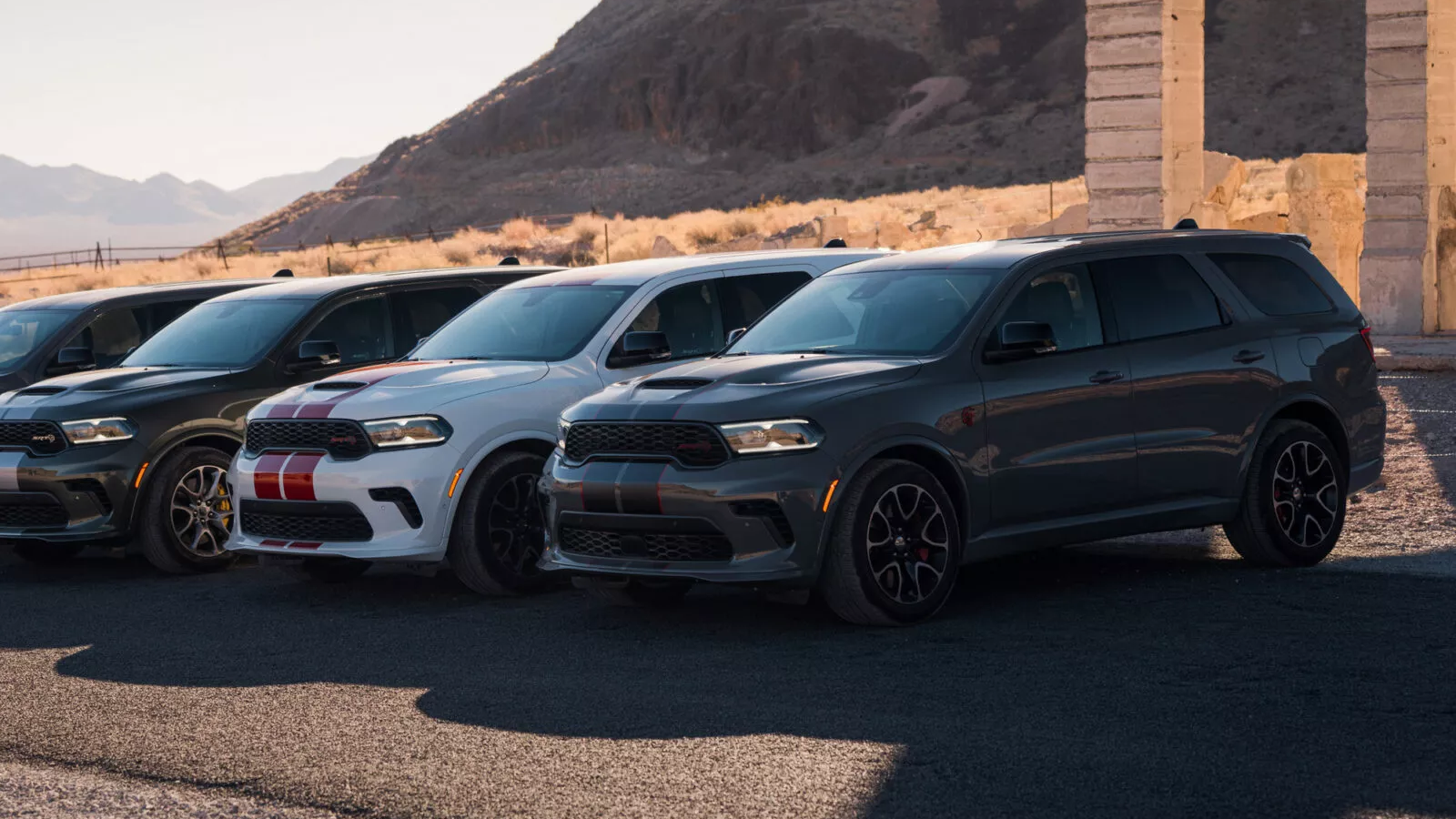
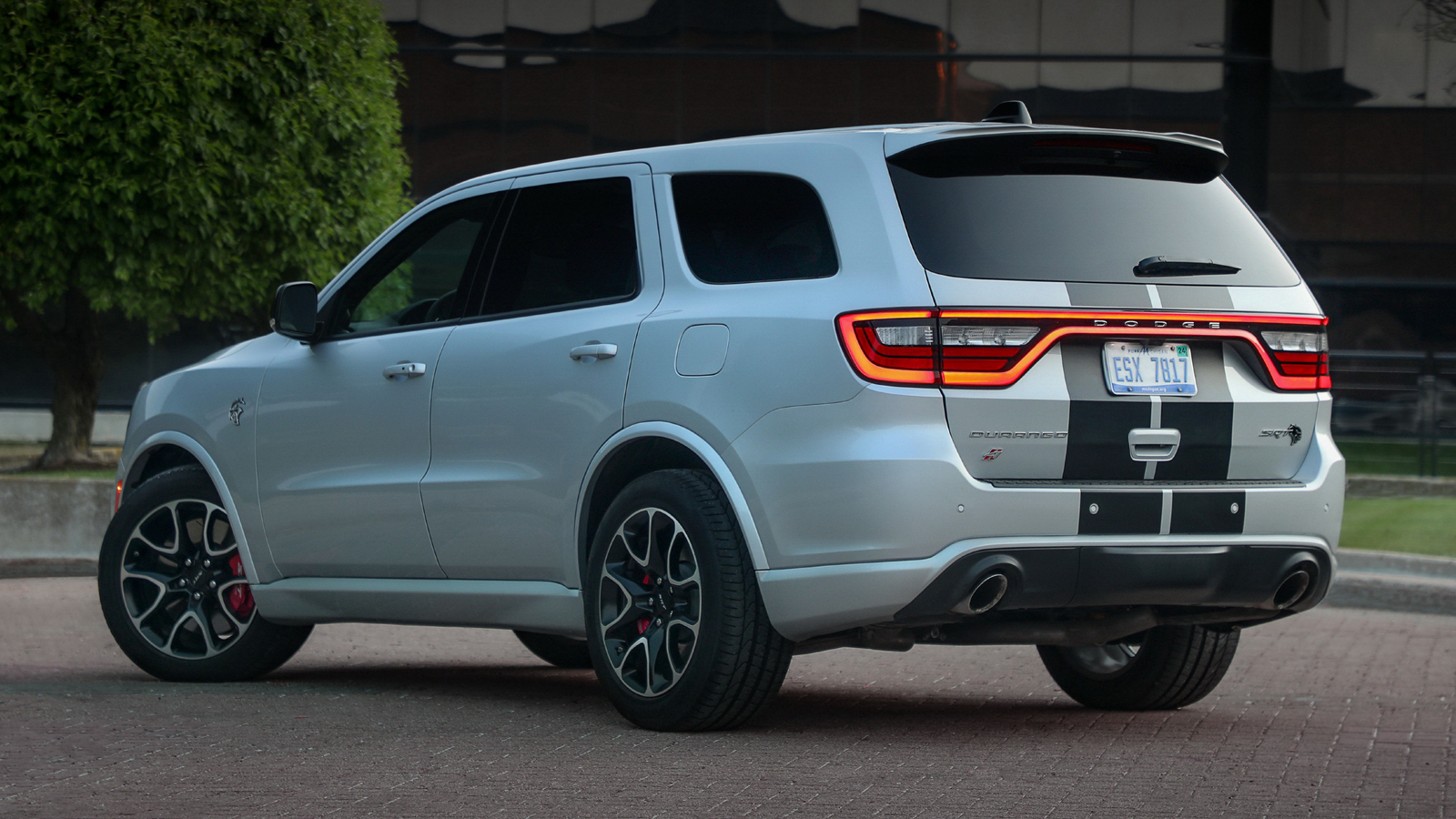
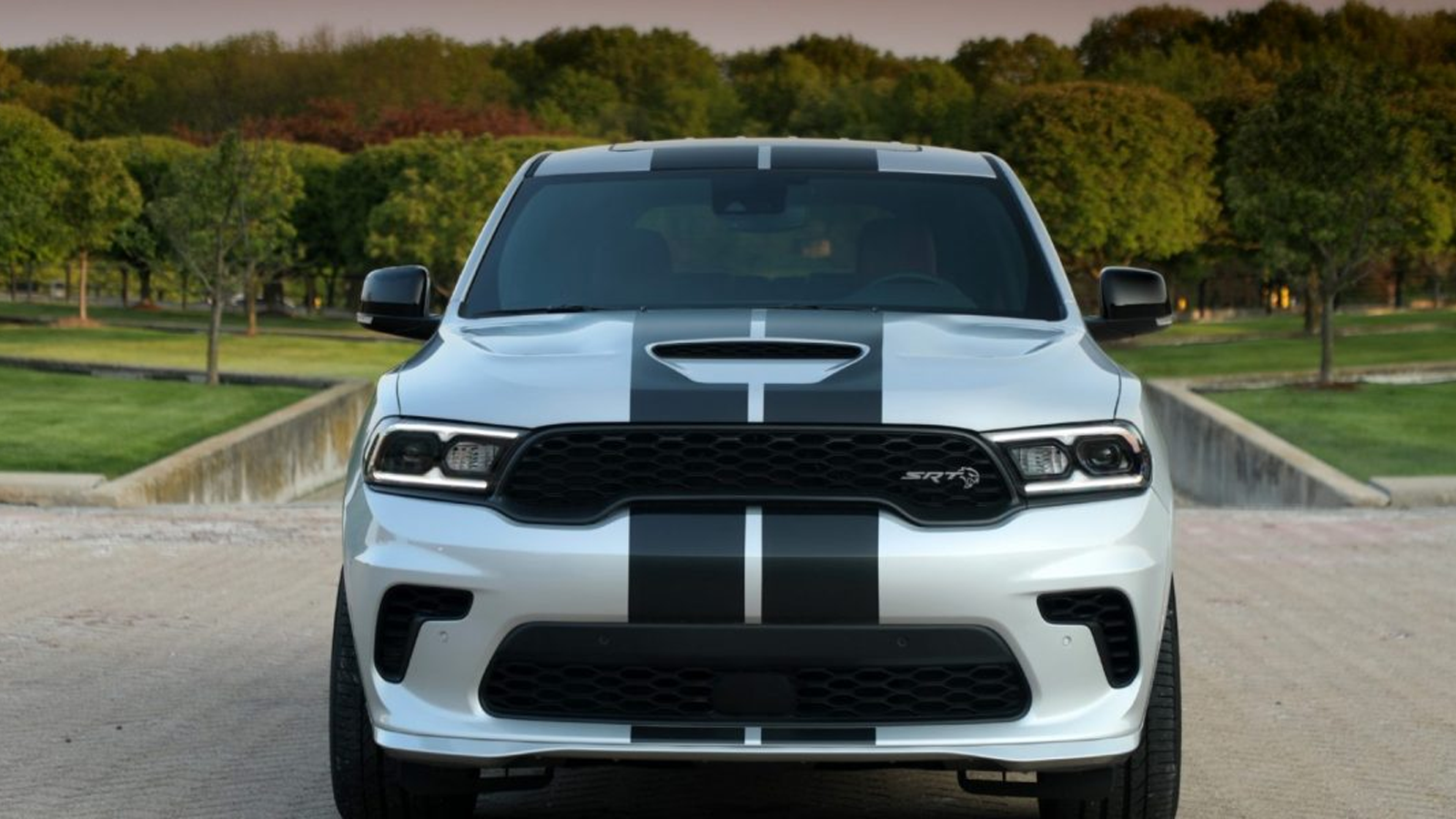
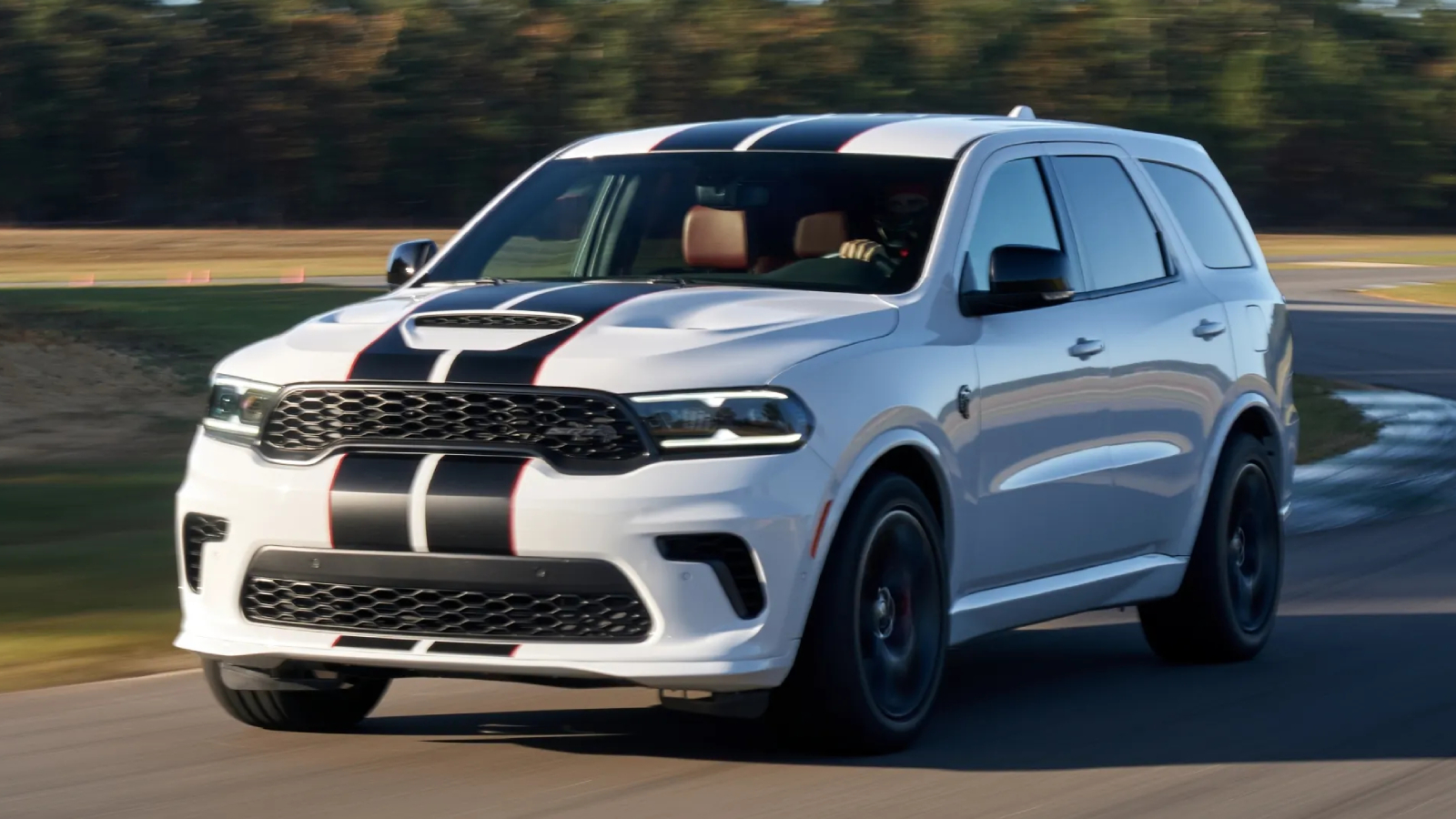
Buyers who paid hefty markups for the 2021 Dodge Durango Hellcat lost their lawsuit after a judge ruled Dodge never misled them about the SUV’s limited production.
The Lawsuit Falls Apart
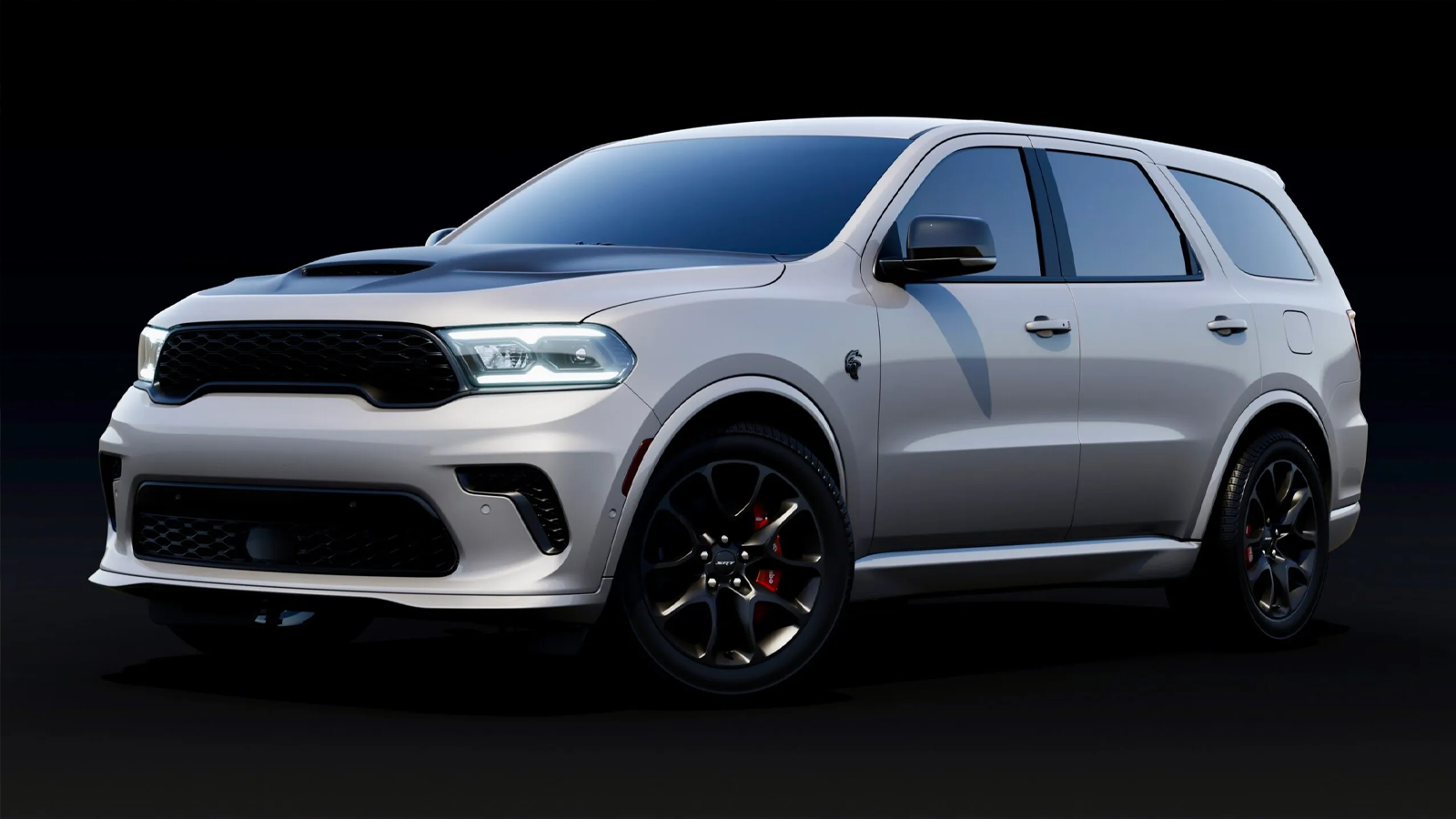
A group of Dodge Durango SRT Hellcat owners who paid steep premiums for the 2021 model sued Stellantis after the automaker revived production in 2023, arguing they were misled into believing the SUV would only ever be built for one year. In late January, however, U.S. District Judge Jennifer Hall ruled against the plaintiffs, concluding Dodge’s statements were accurate when made and did not amount to false advertising or fraud. As a result, buyers who paid above sticker price have no legal path to recover their losses.
The One-Year Promise
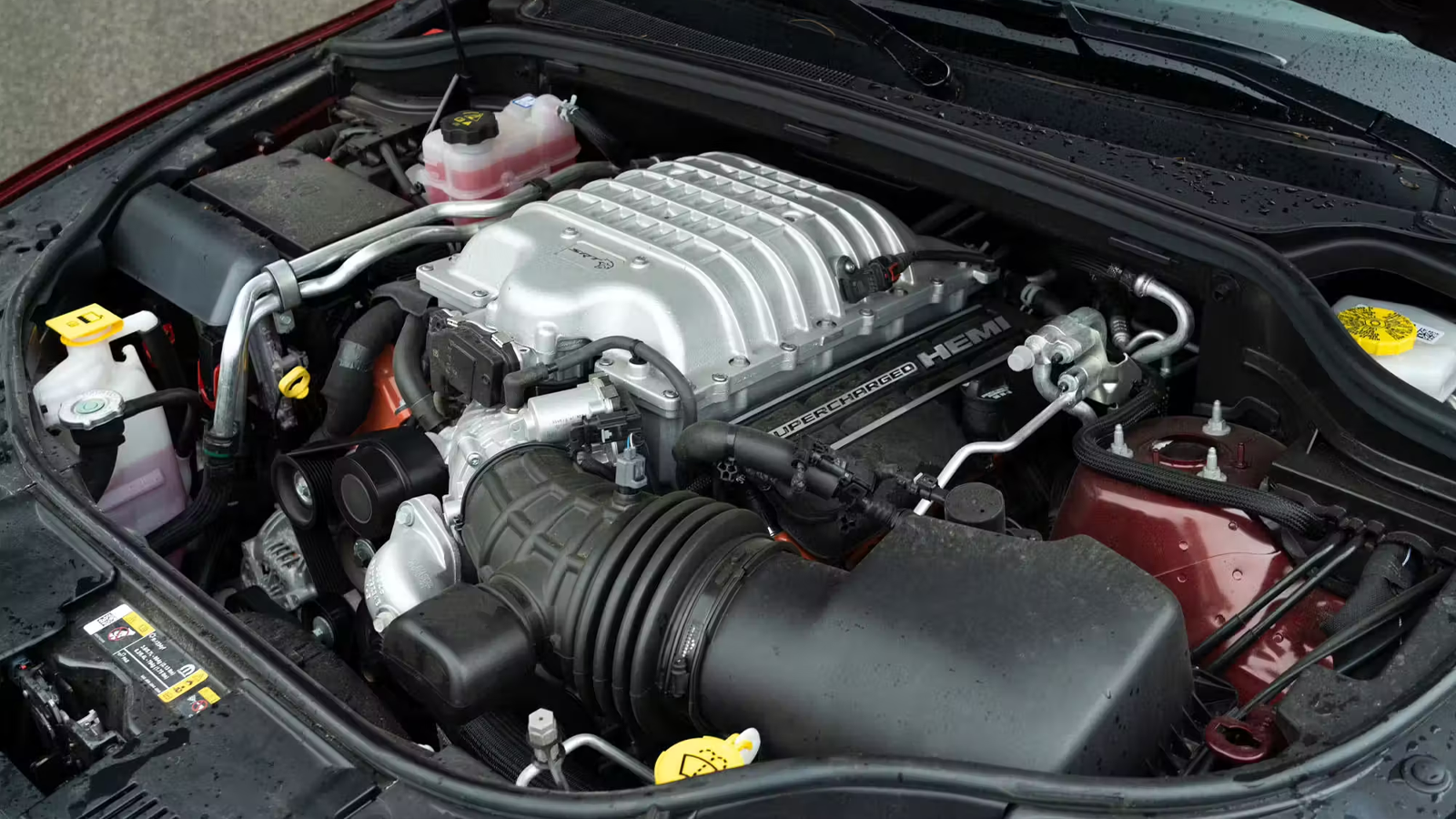
When Dodge introduced the Durango SRT Hellcat in 2021, it was marketed as a final, limited-run performance SUV powered by the brand’s supercharged 6.2-liter Hellcat V8. Production was capped at roughly 3,000 units, and demand quickly surged. Then-CEO Tim Kuniskis underscored the exclusivity, stating, “The 2021 Durango Hellcat is only a single model-year run,” adding that buyers had only “one shot” to get one. Those messages helped create a rush of buyers willing to pay significant markups.
Premium Prices Followed
The official base MSRP for the 2021 Durango Hellcat started at $80,995 before destination charges, but some buyers reportedly paid well into six figures to secure early allocations, with transactions exceeding $110,000 documented. Many buyers assumed the one-year run would make the SUV a future collectible, supporting resale values over time.
Production Returns in 2023
Two years later, Dodge revived the Durango Hellcat for the 2023 model year, effectively turning what buyers believed was a one-off into a recurring offering. Owners who expected rarity to protect resale value instead watched market prices soften as additional production expanded supply.
Court Finds No Deception
Despite quotes and marketing language suggesting finality, the court determined there was no proof Dodge intended to deceive customers when the original statements were made. The judge concluded the company simply described the production plan as it existed in 2021, and plaintiffs could not show Dodge secretly intended to bring the model back later. Without evidence of bad faith or false representation, the lawsuit could not proceed.
Buyers Carry the Cost
The decision leaves owners who paid heavy premiums with vehicles now worth less than anticipated, even when kept in pristine condition. While some frustration was directed at Dodge, market observers note that dealer markups and buyer speculation also played major roles. Ultimately, the court made clear that paying above MSRP was a consumer choice, not a legally protected investment decision.
Drive Them Instead
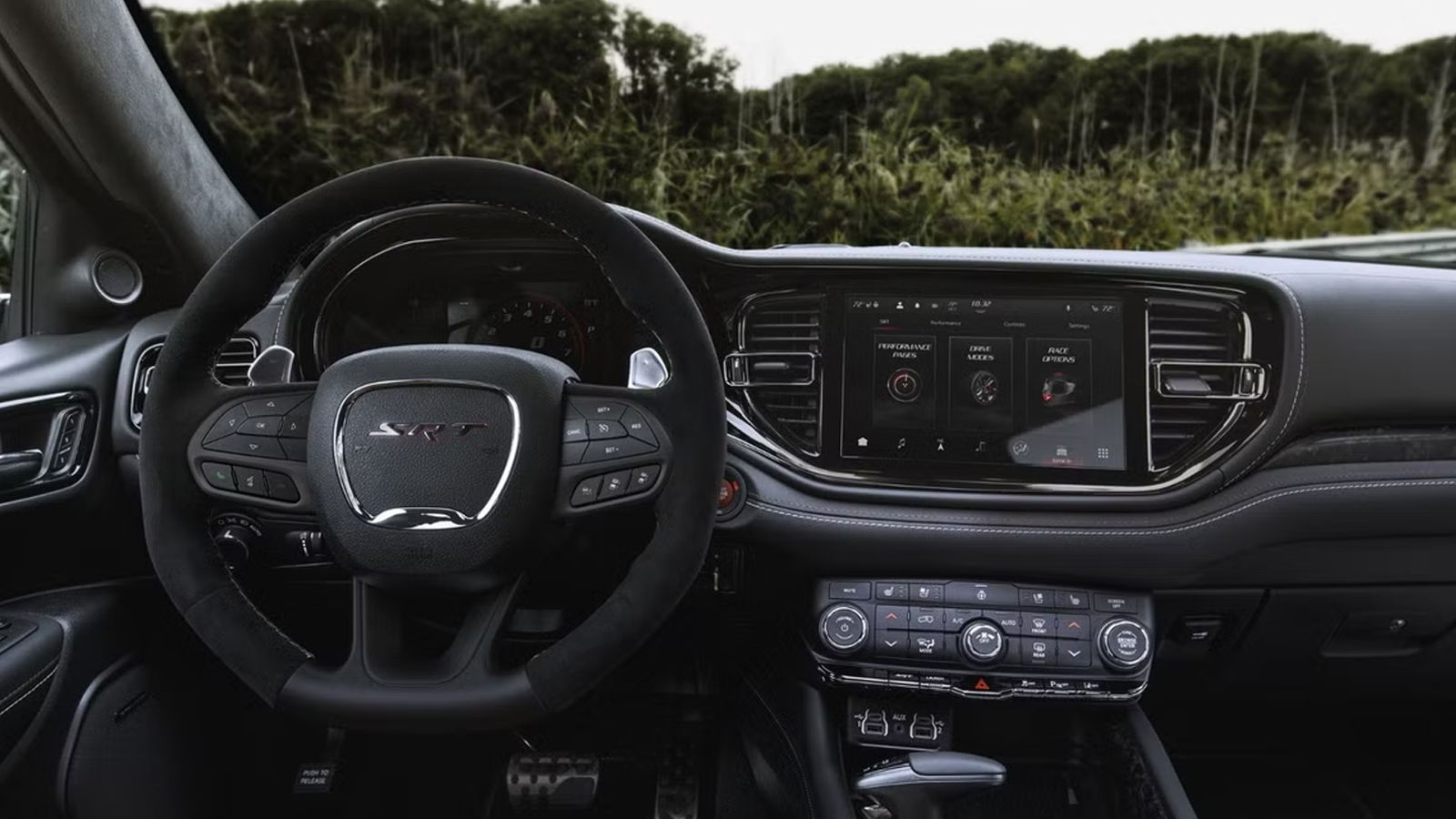
With resale value no longer guaranteed, some commentators suggest owners might as well enjoy the vehicles rather than store them as collectibles. Instead of sitting unused in garages, these 710-horsepower SUVs may finally get driven as intended — a more fitting outcome for one of the most outrageous performance SUVs ever built.