When you click on links to various merchants on this site and make a purchase, this can result in this site earning a commission. Affiliate programs and affiliations include, but are not limited to, the eBay Partner Network.
Uh-oh. The "check engine" light came on in my Dodge. This is a generic warning that something is amiss.
To find out what the problem is, you can pay a mechanic $100 to hook up an expensive computer to your car to read the fault codes stored in the car's computer. Auto parts stores will often read your code for you for free, because they want to sell you the parts you'll need. Or you can just do it yourself. The trick is this. Turn the key three times rapidly: Accy-On-Accy-On-Accy-On. The fault code will then display in your odometer window. I got a code P-0128.
If there are additional codes, it will display those. If none, it says "Done".
Now you go to the internet and look up code P-0128. That tells you that the radiator coolant is not getting hot enough to keep the engine at its most efficient operating temperature. The fix could be as cheap as a new thermostat radiator cap. Doesn't sound too bad. It pays to know this info before going to the mechanic, so that you'll know what he's talking about.
Gauge check. Normal temp should be 195-220°. So how hot is mine? It only gets to 190°, no hotter. And it's constant. There is no fluctuation up or down, as it should do with the thermostat opening and closing. This is an indicator that the thermostat is stuck open, and the fluid is just circulating freely, without being temperature regulated.
Then I found Darnell on the internet, who has a video showing how to replace the thermostat. It looks simple enough. This gave me the confidence that I could do this job myself. You should watch Darnell too, if you're contemplating this little job.
Ordered the part online for about $25, and 3 days later I have it in hand. In the old days, the thermostat came by itself, with a new gasket. Now they give you this whole assembly.
Now to install the new part. First step, remove the decorative engine cover (1). Snap-off easy.
Second, remove the air duct (2) with runs from front right to back left. One electrical connector, two hose clamps, a couple of mounting snaps.
Engine cover and air duct removed.
Now I can see the thermostat, with upper radiator hose attached.
Radiator hose removed. 1 hose clamp. Compress the spring steel clamp tabs with pliers, and slip the hose off the pipe. I slopped a little fluid all around.
Old thermostat assembly removed. 2 bolts. Pink radiator fluid inside. The bolts are designed to be used with either a hex head wrench, or a torx screwdriver.
I tried to catch the lost radiator fluid with buckets underneath, and got most of it. It pours out all over your belt, pulleys and hoses. It was poured back into the coolant recovery tank at the end of the job.
New part installed with 2 bolts, and radiator hose re-attached. Engine started to watch for leaks, found none. Air duct and engine cover re-attached.
Off for a test drive. And lookee there - the temperature is now 210°, right in the sweet spot where it should be for best engine efficiency. The thermostat replacement worked! And the temp would fluctuate up and down a bit, indicating that the thermostat is opening and closing to regulate the temperature. All seems normal again! This was only a 20-degree difference from before, but that was enough to throw the P-0128 code.
Now I just have to wait for the computer's check-engine light to catch up. It compares current temp to past temps, over some unknown period of time. So after a few miles the light should go off. You can unhook the battery to reset the warning light, but my battery is underneath the passenger seat and is a pain in the *** to reach. I didn't bother with that. Fingers crossed while awaiting the light to go off.
I made a trip to the car wash to pressure-wash away all that radiator fluid that slopped all over the front of my engine.
The check-engine warning light went out after about 50 miles of new driving. All back to normal! Problem fixed.
Finally, sit back and have a cold beer, with the satisfaction that you've done the job yourself, did it right, and saved a lot of money!
- John Rich, Katy, Texas
Last edited by JohnRich; Dec 20, 2024 at 06:06 PM.



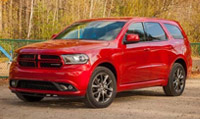


 Radiator Thermostat Replacement


