


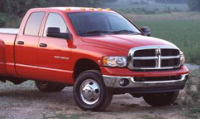
Is Lifting the truck damaging?


Thread Starter
|
Professional
Joined: Jun 2005
Posts: 183
Likes: 0
 Is Lifting the truck damaging?
I want to lift my truck in a few years. However, ive heard lifting them is really hard on the truck. Id hate to be hurting such a new truck, even if its long term damage. It puts the driveshaft at an angle and it stress's it or, makes it work harder somethig like that. Does how high you make it matter? If its just 3 in or 6 in, is that better? and less stress? Just Curious if anyone knows or heard of that.
Thread Starter
|
Professional
Joined: Jun 2005
Posts: 183
Likes: 0
RE: Is Lifting the truck damaging?
Now im the first to reply to my own message.... Had something to add.. after lifting i will defently need a reprogrammer? Or can the person who lifted it for me change the tire size for the speedo to work right or do i have to take it to a dealor or what?

Record Breaker
Joined: Jul 2005
Posts: 1,236
Likes: 0
From: PA
RE: Is Lifting the truck damaging?
I personally don't have a lift, but my buddy did his (older chevy, but make doesn't matter on this issue) and there are some things to consider. Here is what we learned on his lift;
Watch your drive angles. Too much of an angle on the U-joints is hard on the driveline and the U-joints prematurely wear. Yes, the closer to the stock height is better, but 3 inches isn't too bad. None the less with any lift you want to double check everything. Too much lift without making the right adjustments will cause problems including dropping a shaft when the suspenion is in full droop.
This can all be avoided by buying the right parts and/or tilting the engine&trans and axles to line things up better.
Larger tire size also causes stress if you keep everything stock. The larger the tire the more stress on the driveline. Increasing you tire diameter by a couple of inches isn't too bad, but big tires should be accomodated for by changing out your ring and pinion gears with the right ratio.
Make sure you have enough slack in your brake lines and hand/emergency brake cable. There needs to be enough slack for the lift and for the suspension in full droop. If you do a body lift as well then you will need to include those adjustments as well as any wire harnesses and such that may need adjustment/replacement.
If you are lifting your truck just for show, then you could probably get away doin it on a tight budget. If you intend on doing some off roading, then do it right and get all the necessary hardware. Open up any 4x4 or fourwheel mag and you'll see what I mean. Hope this helps.
Watch your drive angles. Too much of an angle on the U-joints is hard on the driveline and the U-joints prematurely wear. Yes, the closer to the stock height is better, but 3 inches isn't too bad. None the less with any lift you want to double check everything. Too much lift without making the right adjustments will cause problems including dropping a shaft when the suspenion is in full droop.
This can all be avoided by buying the right parts and/or tilting the engine&trans and axles to line things up better.
Larger tire size also causes stress if you keep everything stock. The larger the tire the more stress on the driveline. Increasing you tire diameter by a couple of inches isn't too bad, but big tires should be accomodated for by changing out your ring and pinion gears with the right ratio.
Make sure you have enough slack in your brake lines and hand/emergency brake cable. There needs to be enough slack for the lift and for the suspension in full droop. If you do a body lift as well then you will need to include those adjustments as well as any wire harnesses and such that may need adjustment/replacement.
If you are lifting your truck just for show, then you could probably get away doin it on a tight budget. If you intend on doing some off roading, then do it right and get all the necessary hardware. Open up any 4x4 or fourwheel mag and you'll see what I mean. Hope this helps.


Record Breaker
Joined: Feb 2005
Posts: 2,192
Likes: 0
From:
RE: Is Lifting the truck damaging?
DeWalt pretty much hit the high points. A good 4" suspension lift should cause you too much headache other than prematurely worn u joints, but those are easy to replace.
Record Breaker
Joined: Jul 2005
Posts: 1,236
Likes: 0
From: PA
RE: Is Lifting the truck damaging?
Oh yeah almost forgot.......VERY important!
If you do a body lift you need to pay close attention to your steering shaft or any steering related hardware. Same goes for a suspention lift, but usually is a "must do" cause it's unavoidable. It's usually the parts that go from the cab to the frame that get overlooked.
If you do a body lift you need to pay close attention to your steering shaft or any steering related hardware. Same goes for a suspention lift, but usually is a "must do" cause it's unavoidable. It's usually the parts that go from the cab to the frame that get overlooked.
Record Breaker
Joined: Feb 2005
Posts: 2,192
Likes: 0
From:
RE: Is Lifting the truck damaging?
ORIGINAL: DeWalt378G
Oh yeah almost forgot.......VERY important!
If you do a body lift you need to pay close attention to your steering shaft or any steering related hardware. Same goes for a suspention lift, but usually is a "must do" cause it's unavoidable. It's usually the parts that go from the cab to the frame that get overlooked.
Oh yeah almost forgot.......VERY important!
If you do a body lift you need to pay close attention to your steering shaft or any steering related hardware. Same goes for a suspention lift, but usually is a "must do" cause it's unavoidable. It's usually the parts that go from the cab to the frame that get overlooked.
Trending Topics
Record Breaker
Joined: Jul 2005
Posts: 1,236
Likes: 0
From: PA
RE: Is Lifting the truck damaging?
Yeah, I prefer suspension lifts too. Body lifts are like faking the lift. The height may be there, but the "skill" ain't. You also end up doing extra work to fix up the bumbers and hide frame/body gaps in the wheel wells. It's extra work that could be spent on the suspension.