


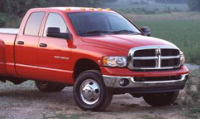
SEMA press release on Snugtop Tonneau MPG study


Thread Starter
|
Champion
Joined: Aug 2005
Posts: 3,313
Likes: 8
 SEMA press release on Snugtop Tonneau MPG study
http://www.sema.org/main/semaorghome.aspx?id=55785
A much better than typical effort,
but a few gentle comments:
The 3rd Gen Ram may be especially suffering at 45 mph
because it may have stayed in 3rd gear.
Most 545 autos won't shift to OD until 47-50 mph.
{try this on your Ram and post your rpm, tire diameter and what diff gear}
45 mph is a little low to see the aerodynamics benefits
of highway speeds that are more typically 65-79 mph
50 miles is too short and
2.2 gallons is such a small amount
that the way they filled the gas tanks (3 clicks)
can vary enough to skew good reliable results.
My experience is that filling up this way
can vary by at least two tenths of a gallon
which could throw their tests off by 10%.
When you are measuring small 1-6% gains
you can't afford to measure the gasoline used by 0.2 gallon errors.
{I suspect the F150 test result suffered from this}
It would have been much better to use
a small auxiliary tank
like the SAE/TMC type I MPG test calls for.
Caterpillar tests at their proving grounds with small tanks that they
weigh before and after.
The Society of Automotive Engineers/Truck Maintenance Council
type IV MPG test calls for two trucks to travel at least 200 miles,
one with the 'mod' and the other 'stock'.
In Snugtop's test it would have been better to have two of each make truck,
and on each run one or the other truck would have the tonneau and the other an open bed.
This would have cancelled out wind and temperature variations...just like the SAE/TMC suggests.
With four different 'approved' MPG test proceedures from SAE/TMC on the books and available for anyone to read and follow, why would they try to invent their own?
It is hard for people who have not had a high school or college Physics course to believe,
but turning corners is accelerating just like zooming from low speed to high speed.
This type of acceleration is called 'centripetal'
whereas going straight ahead is called 'linear'.
The short half mile racetrack oval this test was done on
means the trucks were accelerating into turns nearly all the time,
and their MPG would have been higher if the test had been on a straight highway.