


Cruise Control Question


Thread Starter
|
Captain

Joined: Feb 2011
Posts: 542
Likes: 2
From: Ohio

Well first of all, what car do you have? (coupe/4door, motor 2.4/2.7/3.0) and year is important because in 2003 only for the 2.4 they upgraded with new PCMs and the coupes aren't even made by Dodge.
Thread Starter
|
Captain
Joined: Feb 2011
Posts: 542
Likes: 2
From: Ohio
Alright, as promised here's some pictures of everything from the factory service manual.
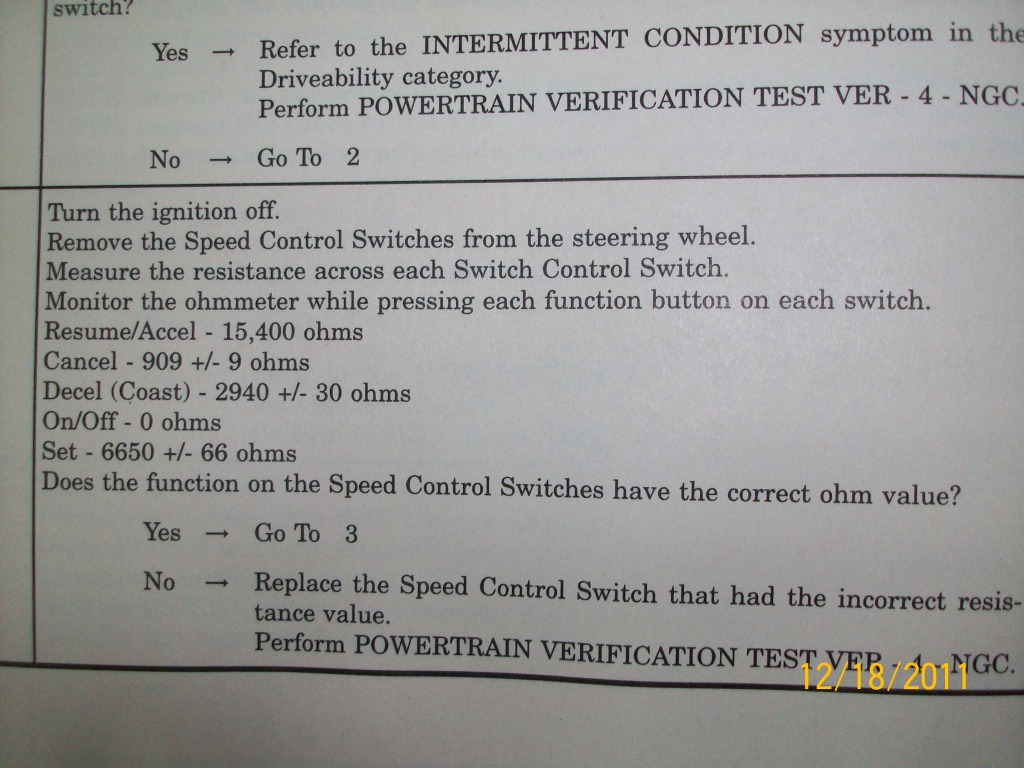
Here you can see the ohm values for each button.
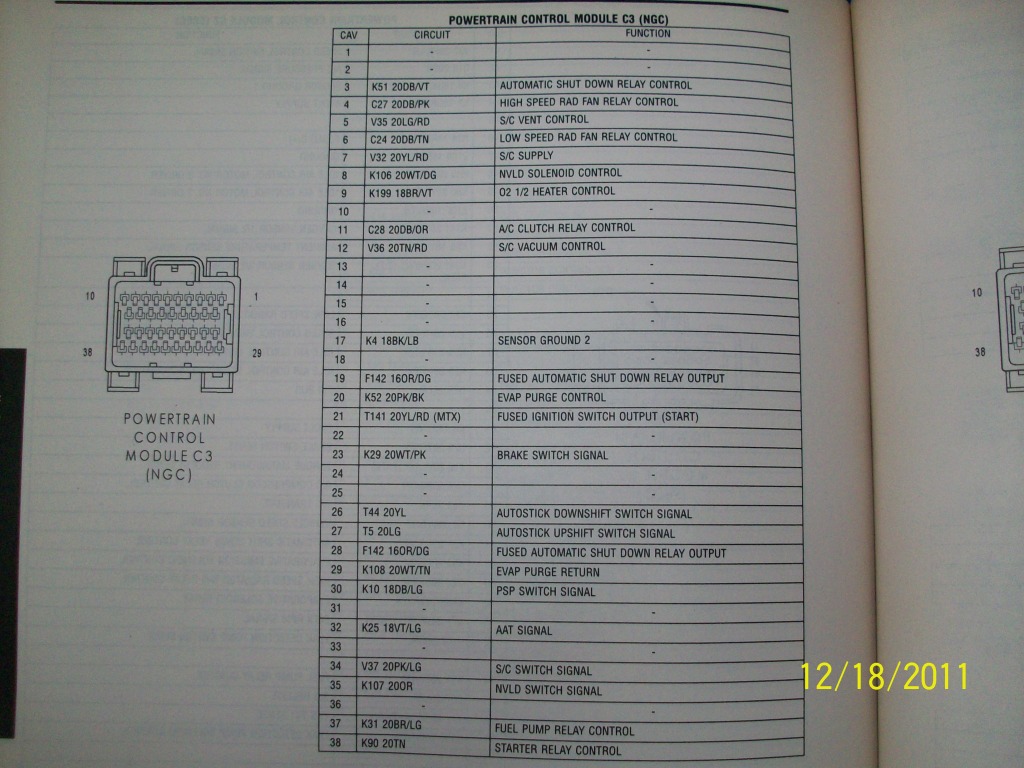
On the NGC PCM (this is what I have on my 03 2.4L sedan) Everything for the cruise is on connector 3. You're looking at pins 5 and 12 which feed ground to the cruise servo to control it. Pin 7 is the power output running through the brake switch to all the relays in the cruise servo. Pin 23 is a common brake sense that takes a ground, runs it through the brake switch and to the PCM when the brake is not depressed, this controls things like cruise, brake shift interlock and ABS. Pin 17 is important as that goes to the cruise switches as the ground feed and is also grounded inside the cabin too. Pin 34 is all your cruise switch outputs, this is where it sends out 5 volts and looks for feedback from the switches. If anyone has the other type PCM in their car, I also have a pinout for that one too.
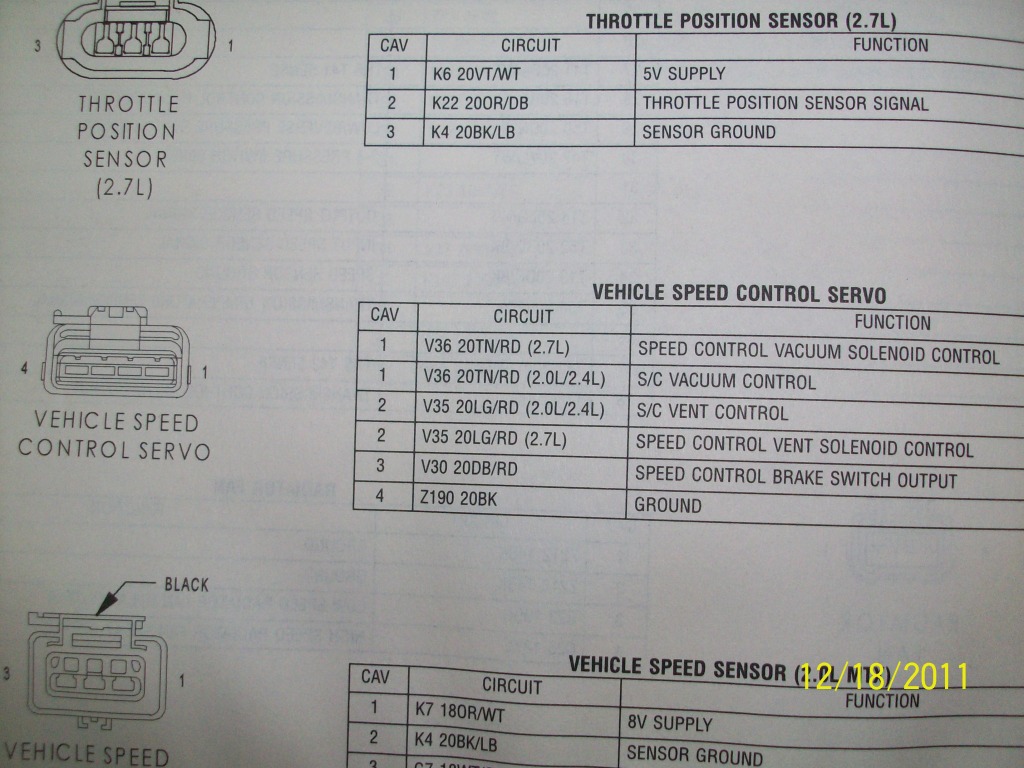
This is the connector that plugs into the speed control servo. Pins 1 and 2 are directly connected to the PCM outputs and get grounded to activate. Pin 3 is the power from the PCM for the relays. Pin 4 is just a ground.
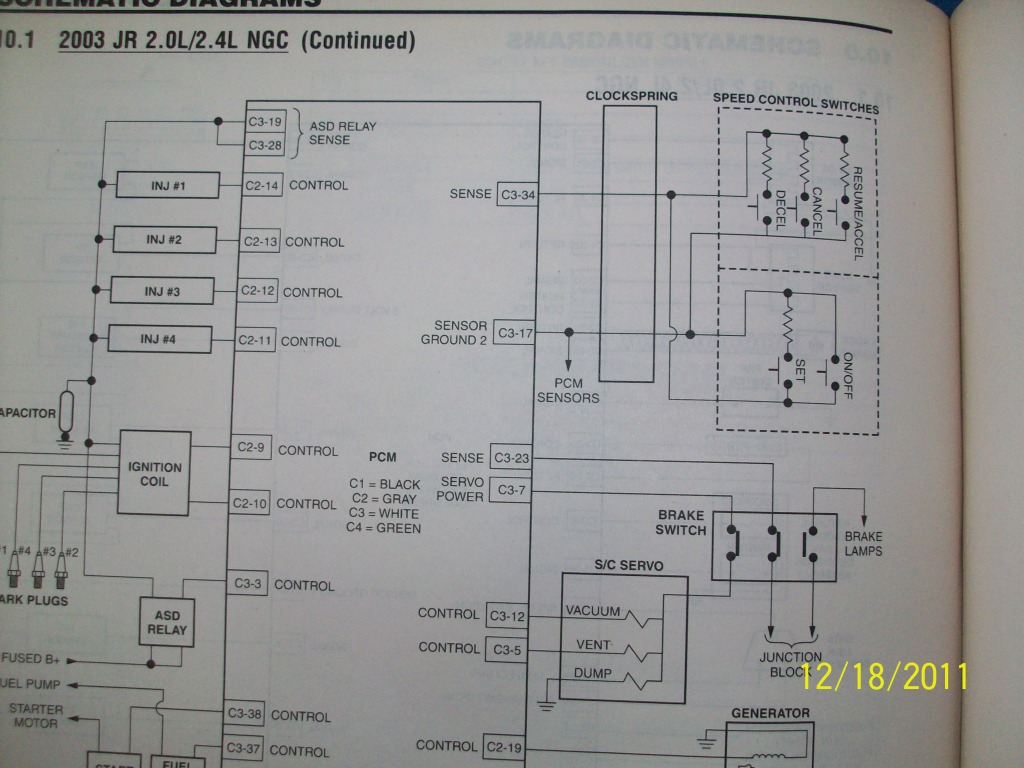
Here is a wiring diagram for how the system works. C3 is connector 3 and -xx after it is the pin number.
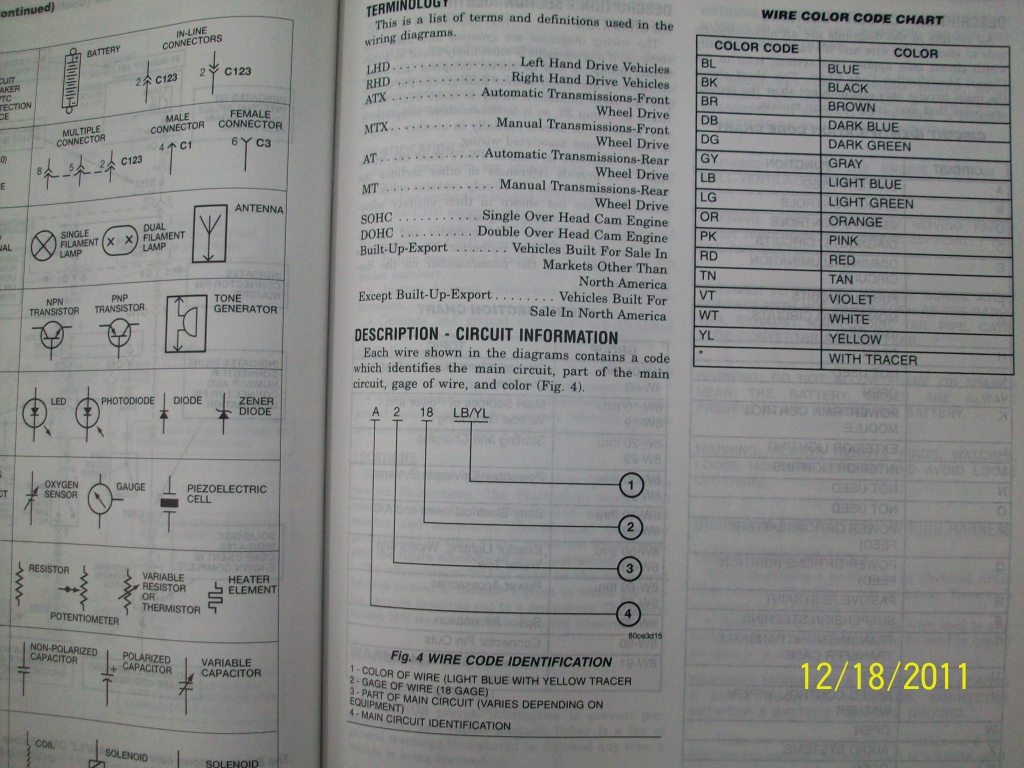
This tells you the wire color codes and wire gage.
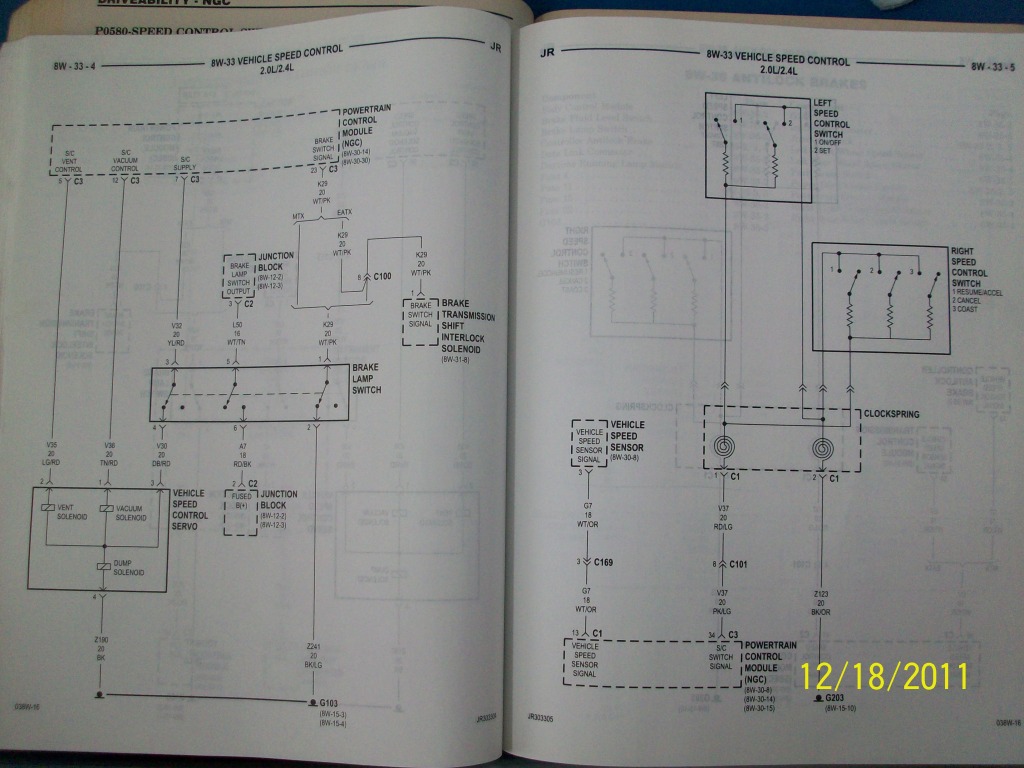
Here is another digagram of the system telling you wire colors. Notice ground G103 and G203, these both need to be good for the cruise to work.
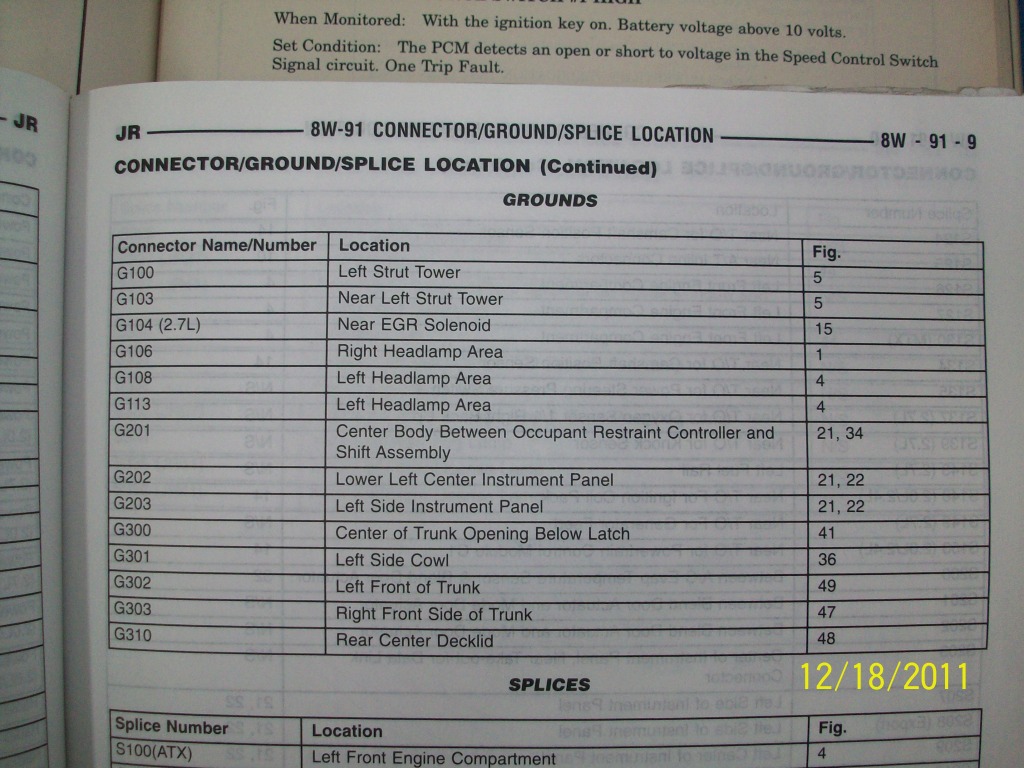
This tells you where the 2 ground locations are.
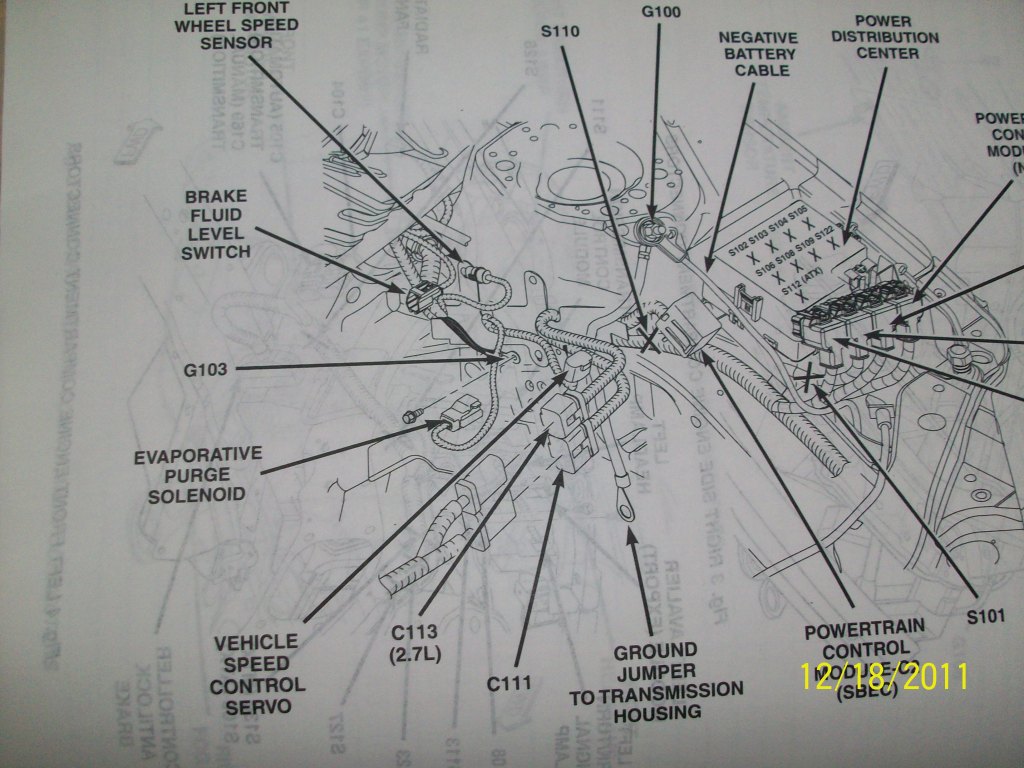
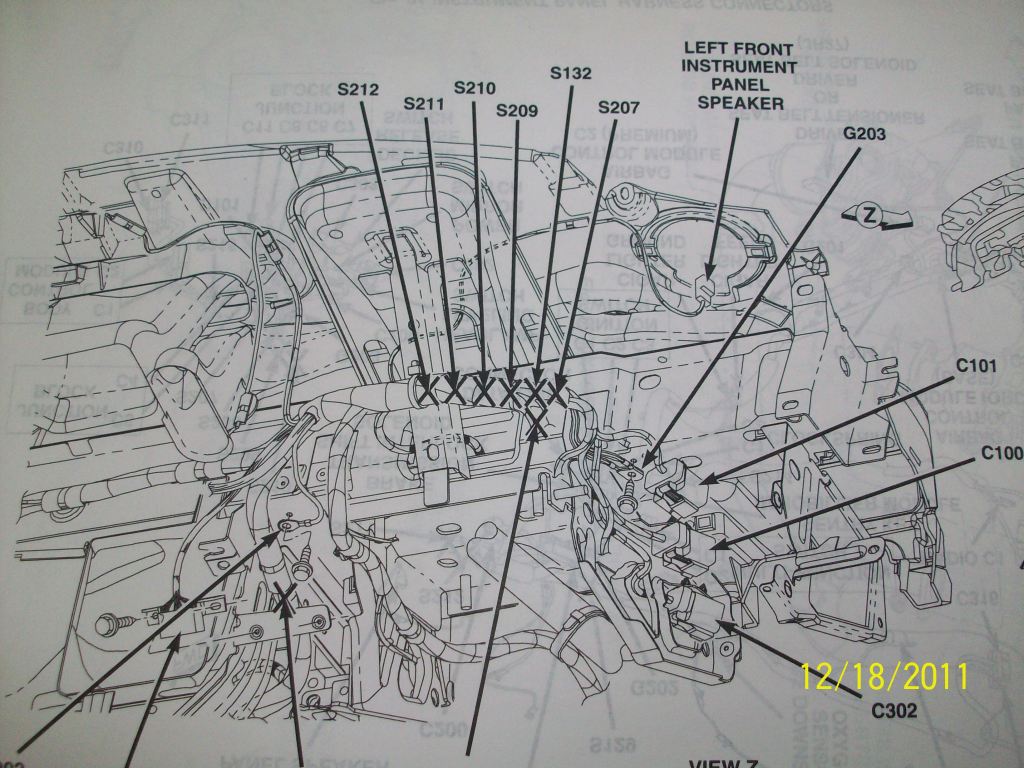
And these pictures show you diagrams of where to locate the grounding points.
Hope this helps anyone in the future to fix problems with their cruise control. If anyone wants a picture of the older PCM pinouts I can add them here too.
Here you can see the ohm values for each button.
On the NGC PCM (this is what I have on my 03 2.4L sedan) Everything for the cruise is on connector 3. You're looking at pins 5 and 12 which feed ground to the cruise servo to control it. Pin 7 is the power output running through the brake switch to all the relays in the cruise servo. Pin 23 is a common brake sense that takes a ground, runs it through the brake switch and to the PCM when the brake is not depressed, this controls things like cruise, brake shift interlock and ABS. Pin 17 is important as that goes to the cruise switches as the ground feed and is also grounded inside the cabin too. Pin 34 is all your cruise switch outputs, this is where it sends out 5 volts and looks for feedback from the switches. If anyone has the other type PCM in their car, I also have a pinout for that one too.
This is the connector that plugs into the speed control servo. Pins 1 and 2 are directly connected to the PCM outputs and get grounded to activate. Pin 3 is the power from the PCM for the relays. Pin 4 is just a ground.
Here is a wiring diagram for how the system works. C3 is connector 3 and -xx after it is the pin number.
This tells you the wire color codes and wire gage.
Here is another digagram of the system telling you wire colors. Notice ground G103 and G203, these both need to be good for the cruise to work.
This tells you where the 2 ground locations are.
And these pictures show you diagrams of where to locate the grounding points.
Hope this helps anyone in the future to fix problems with their cruise control. If anyone wants a picture of the older PCM pinouts I can add them here too.
Last edited by Evon Trizmo; Dec 18, 2011 at 01:18 PM.

Thread Starter
|
Captain
Joined: Feb 2011
Posts: 542
Likes: 2
From: Ohio
In 2002 they were still using the older SBEC computers, but I believe the cruise control was done in the TCM so that may be what you're looking at. There is no seperate module box that I know of.
Thread Starter
|
Captain
Joined: Feb 2011
Posts: 542
Likes: 2
From: Ohio
Those are both cruise control modules but neither would work in your car. Technically you could get either to work if you spliced the VSS into the speed pin on the box and added individual switches for each button function. You can only use only 2 of the exsisting buttons on the steering wheel, using the horn ground wire as a ground, see whether the button pins respond to ground or 12v, if it's 12v then run some relays from the grounded steering wheel switches to close a 12v circuit. Then the rest of the buttons have to be mounted on the dash or somewhere else. Then see whether the boxes output ground on the vac and vent pins or 12v, if it's 12v they will have to drive relays to close a ground path to the vac and vent pins of the speed control servo. And finally don't forget to connect your brake pedal switch to the brake pin, first see if grounding it will shut of the cruise, if not put 12v from the brake lamp circuit on it.
That's how you can get those to work, deffinatly not a plug and play system, I'd only do that if I needed a new PCM to get the cruise working, but that's rarely the case. You'd probably be much better off repairing your exsisting system, start by following the wiring digagrams in my picture to check all the wiring and make sure nothing is shorted/open. Usually clocksprings are the weak point there. Then try replacing or cleaning and testing the brake lamp switch, then if that doesn't work clean or replace your cruise control switches on the steering wheel, if that doesn't work replace your cruise servo, if that doesn't work it's your ECU.
That's how you can get those to work, deffinatly not a plug and play system, I'd only do that if I needed a new PCM to get the cruise working, but that's rarely the case. You'd probably be much better off repairing your exsisting system, start by following the wiring digagrams in my picture to check all the wiring and make sure nothing is shorted/open. Usually clocksprings are the weak point there. Then try replacing or cleaning and testing the brake lamp switch, then if that doesn't work clean or replace your cruise control switches on the steering wheel, if that doesn't work replace your cruise servo, if that doesn't work it's your ECU.
Last edited by Evon Trizmo; Dec 23, 2011 at 11:28 AM.
Thread Starter
|
Captain
Joined: Feb 2011
Posts: 542
Likes: 2
From: Ohio
Glad I can help, if all else fails and you're out of ideas, replace the cruise servo, very rarely they fail but I have seen a few times solenoids going bad in them and nothing works, inside they use Chrysler's idea of very simplified but very difficult to understand circuit layouts with many failsafes in place. There's 3 solenoids and a diode inside, all controlled by only 2 signal wires. I found units from neons to Durangos are all the same, I'd go ahead and match year rather than vehicle, or something that has a PCM that looks like yours since the PCM checks resistance on the solenoids to make sure everything will work before it sets the speed. My cruise servo failed in my 03 Stratus a few years ago, I replaced one from an 02 Intrepid with the Huntsville NGC like I have and it's been working fine since.
Thread Starter
|
Captain
Joined: Feb 2011
Posts: 542
Likes: 2
From: Ohio
Yup connect it right up to the VSS output wire of the speed sensor. Your speed sensor takes in 5v and sends out 5v, it should be the same from 86 too but you can do a little research just to be safe, worst case is the module wants 8v or 12v and is only getting 5 which it might work off of or might not and not set the speed. Another thing is the output frequency of the different sensors might be slightly different but if the cruise module gets a frequency that it thinks is between 35mph and 85mph it will work, meaning the module might think you're going 80 when you're really going 60 due to a the frequency of the wave being faster than it would be in the 86 caravan, it will still work perfect and hold a speed as far as the cruise module is concerned but it may not hold a speed higher than 65 if this was the case.
The speed sensor sends a pulsing 5v back to the PCM to determine speed, the faster the pulses the faster the wheels are turning. It pulses from 0v right up to 5v then keeps repeating, something like 4000-5000 pulses are 1 mile.
If it doesn't work there are 2 causes, not enough volts from the VSS or the pulses are too fast/slow. The first is much more likely to happen and in that case you can very cheaply correct that with the use of a well built relay (it will switch fast enough) or go for a more reliable solid state device.
If you have any other questions just let me know.
The speed sensor sends a pulsing 5v back to the PCM to determine speed, the faster the pulses the faster the wheels are turning. It pulses from 0v right up to 5v then keeps repeating, something like 4000-5000 pulses are 1 mile.
If it doesn't work there are 2 causes, not enough volts from the VSS or the pulses are too fast/slow. The first is much more likely to happen and in that case you can very cheaply correct that with the use of a well built relay (it will switch fast enough) or go for a more reliable solid state device.
If you have any other questions just let me know.
Thread Starter
|
Captain
Joined: Feb 2011
Posts: 542
Likes: 2
From: Ohio
Yup if you aren't sure always start off with ground so you don't blow anything up and if nothing happens then put it on 12v. I'm guessing it wants 12v because the brake switch puts out 12v to directly power the brake lights.