
Dodge Challenger & Charger Will Keep Current Chassis

What That Means
In other words, the engineers are already working on a new-and-improved version of the Challenger and Charger with the same architecture that underpins the current models. We don’t know what changes will be made, but we can only hope that the “bare bones” comment relates to some weight reduction of the hefty Dodge performance cars. We can certainly expect to see use of new materials throughout the cars, including (but not limited to) high strength steel, aluminum and – if the engineers are serious about cutting weight – magnesium.
Next, to understand Marchionne’s comments about the Giulia’s chassis not meeting the size and capability requirements of an American performance car, we need to first look at some numbers.
The Alfa Romeo Giulia sold in the US has a wheelbase of 111 inches, an overall length of 182.6 inches and a width of 73.7 inches. The Dodge Challenger SRT Hellcat has a wheelbase of 116.2 inches, an overall length of 197.5 inches and a width of 75.7 inches, so the current Challenger is about 5 inches longer between the wheels, about 15 inches longer overall and about two inches wider.
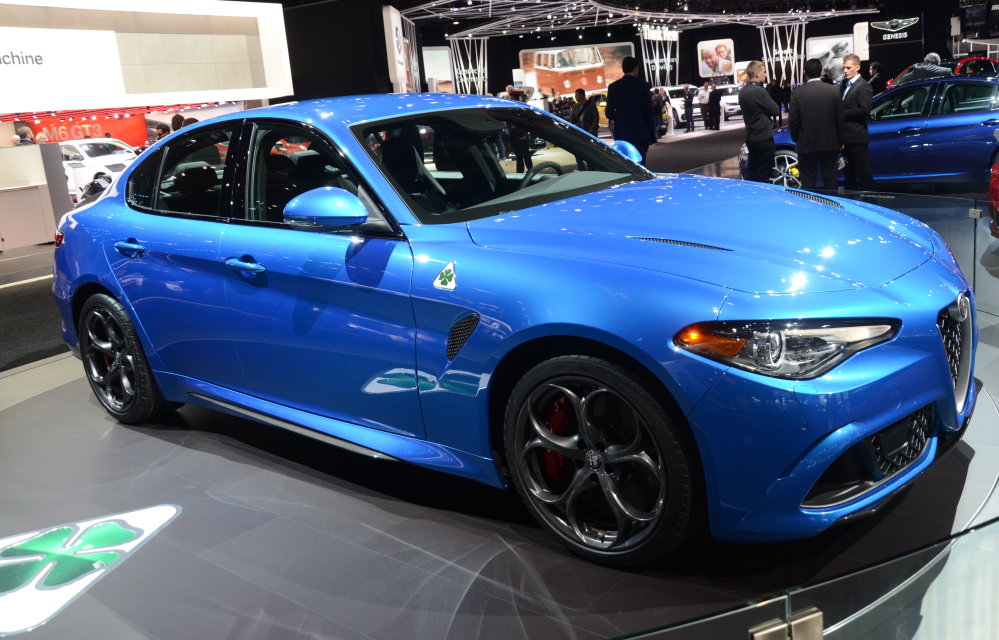
While the overall length might be a stretch (no pun intended), it really shouldn’t be an issue for the FCA engineers to be able to enlarge the chassis of the Giulia to accommodate a new Dodge Challenger – especially if the muscle car got slightly smaller. On the other hand, getting the Alfa chassis to handle the kind of power that Challenger owners expect might be the bigger issue.
Too Much Power?
Consider that the most powerful vehicle on the Alfa Giorgio platform is the Giulia Quadrifoglio, which features 505 horsepower and 443 lb-ft of torque from a turbocharged V6. The two most powerful engines in the Challenger and Charger lineup are the 392 cubic inch Hemi and the supercharged 6.2-liter Hellcat Hemi. The 392 offers 485 horsepower and 475 lb-ft of torque while the Hellcat offers 707 horsepower and 650 lb-ft of torque, and we can expect that the next Dodge muscle cars will at least offer similar power levels.
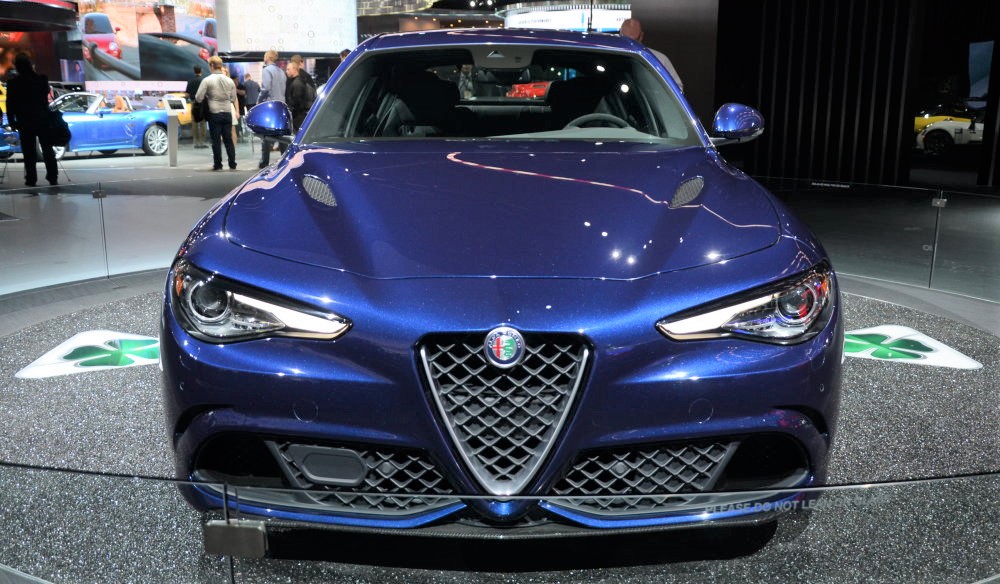
This is purely speculation, but perhaps the Giulia’s platform is being pushed to its limits at 505 horsepower and 443 lb-ft of torque, so adding gobs more torque could make the car unpleasant to drive and hard to handle. Perhaps internal testing of Giorgio-based test cars with far more power revealed that the chassis didn’t handle it well, forcing the engineers to look elsewhere for a chassis for the next generation Dodge Challenger and Charger.

When looking for that new chassis, they likely found that it would cost less money, take less time and perhaps yield better results to let the engineers tear into the current chassis rather than spending the time and money to develop an all-new chassis for Dodge’s hot muscle cars. After all, the Charger is the undisputed leader in overall sedan performance while the Challenger continues to favorably battle the competition from Ford and Chevy.
Join the Dodge Forums now!

You must be logged in to post a comment.