


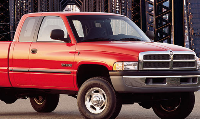
Repainting without the rattle


Thread Starter
|
Professional
Joined: May 2008
Posts: 210
Likes: 0
From: Texas
 Repainting without the rattle
I want to use a HVLP sprayer can anyone help with the paint to thinner or retarder ratio?
I know the rule of thumb is the consistency of milk but I also would like to know the best agent to use for mixing with the paint. I'm painting my new paint match bumper due to the
recent fender bender
https://dodgeforum.com/forum/2nd-gen...ugh-proof.html
I've used the rattle can but would rather get used to using the sprayer. I know the can is easier but the results over a large area with a sprayer are far better IMO. any help or suggestions? Thanks
I know the rule of thumb is the consistency of milk but I also would like to know the best agent to use for mixing with the paint. I'm painting my new paint match bumper due to the
recent fender bender
https://dodgeforum.com/forum/2nd-gen...ugh-proof.html
I've used the rattle can but would rather get used to using the sprayer. I know the can is easier but the results over a large area with a sprayer are far better IMO. any help or suggestions? Thanks


Veteran
Joined: Aug 2008
Posts: 487
Likes: 5
From: Philadelphia, PA
It depends on the brand and type of paint you're using. If you get it from an auto paint supply store, the person there should know the reduction, and it should be on the label when they mix it for you.

Record Breaker
Joined: Jun 2009
Posts: 1,011
Likes: 0
Most auto/body paint is a 50/50 mix of paint to reducer. You should ask if you are painting plastic panels if you need to add a flex additive or need any special type of primer. I certainly would not recommend using a hardener on paint that will go onto plastic. You want to keep pliability and flexibility. Plastics will expand and contract more than metal will. I would also suggest a single stage instead of a two stage. Less work and will give you the same results for what you are using it on.
Thread Starter
|
Professional
Joined: May 2008
Posts: 210
Likes: 0
From: Texas

Most auto/body paint is a 50/50 mix of paint to reducer. You should ask if you are painting plastic panels if you need to add a flex additive or need any special type of primer. I certainly would not recommend using a hardener on paint that will go onto plastic. You want to keep pliability and flexibility. Plastics will expand and contract more than metal will. I would also suggest a single stage instead of a two stage. Less work and will give you the same results for what you are using it on.
Thread Starter
|
Professional
Joined: May 2008
Posts: 210
Likes: 0
From: Texas
I'll definately check it out thanks

Captain
Joined: Apr 2008
Posts: 723
Likes: 0
From: Galveston, Texas
Painting plastics is kinda tricky. My dad usually uses an adhesion promoter, I think called Bully Dog, that allows the paint to stick better. It usually helps prevent the paint from flaking.
Paint supply stores will have all the info sheets that should include all the ratios. They should also be able to tell what type of reducers/hardeners you'll need per application.
Paint supply stores will have all the info sheets that should include all the ratios. They should also be able to tell what type of reducers/hardeners you'll need per application.
Trending Topics
Record Breaker
Joined: Jun 2009
Posts: 1,011
Likes: 0
Painting plastics is kinda tricky. My dad usually uses an adhesion promoter, I think called Bully Dog, that allows the paint to stick better. It usually helps prevent the paint from flaking.
Paint supply stores will have all the info sheets that should include all the ratios. They should also be able to tell what type of reducers/hardeners you'll need per application.
Paint supply stores will have all the info sheets that should include all the ratios. They should also be able to tell what type of reducers/hardeners you'll need per application.