


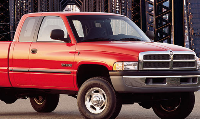
Pulling the engine out...


Thread Starter
|
Registered User
Joined: Jun 2005
Posts: 10
Likes: 0
 Pulling the engine out...
First time I have been on here in a while...
First off: 2001 Dodge Ram 1500 Quad Cab 2wd - 5.2L engine
I blew the engine a few months ago (shot 3 pistons to hell and destroyed the oil pan) and I finally have the money to replace it (YAY taxes).
I have located an engine at the local salvage yard. It is a 5.2L from a Durango. It only has 101k miles on it - mine had 104k on it. I will be going to pick the new engine up next week.
This will be the first time I have pulled the engine out of a newer truck and I have a few questions:
Is there anything special I need to know about the process?
Any advice y'all can give me about this process?
Is the Durango engine a drop in for my Ram engine or do I need to change out some parts from mine to the other?
Any information and/or advice would be greatly appreciated.
Thanks - Kevin
First off: 2001 Dodge Ram 1500 Quad Cab 2wd - 5.2L engine
I blew the engine a few months ago (shot 3 pistons to hell and destroyed the oil pan) and I finally have the money to replace it (YAY taxes).
I have located an engine at the local salvage yard. It is a 5.2L from a Durango. It only has 101k miles on it - mine had 104k on it. I will be going to pick the new engine up next week.
This will be the first time I have pulled the engine out of a newer truck and I have a few questions:
Is there anything special I need to know about the process?
Any advice y'all can give me about this process?
Is the Durango engine a drop in for my Ram engine or do I need to change out some parts from mine to the other?
Any information and/or advice would be greatly appreciated.
Thanks - Kevin
Last edited by KMAPRO; Feb 5, 2010 at 09:49 AM.


All Star
Joined: Jun 2007
Posts: 981
Likes: 0
From: Langley, BC, Canada
REMOVAL
1. Disconnect the battery negative cable.
2. Drain cooling system.
3. Recover refrigerant from a/c system, if equipped.
4. Remove the a/c condenser, if equipped.
5. Remove the transmission oil cooler.
6. Remove the washer bottle from the fan shroud.
7. Remove the viscous fan/drive.
8. Remove radiator.
9. Remove the upper crossmember and top core support.
10. Remove the accessory drive belt.
11. Remove the A/C compressor with the lines attached. Secure compressor out of the way.
12. Remove generator assembly.
13. Remove the air cleaner resonator and duct work as an assembly
14. Disconnect the throttle linkage.
15. Remove throttle body.
16. Remove the intake manifold.
17. Remove the distributor cap and wiring.
18. Disconnect the heater hoses.
19. Disconnect the power steering hoses, if equipped.
20. Perform the Fuel System Pressure Release procedure.
21. Disconnect the fuel supply line.
22. On Manual Transmission vehicles, remove the shift lever.
23. Raise and support the vehicle on a hoist and drain the engine oil.
24. Remove engine front mount thru-bolt nuts.
25. Disconnect the transmission oil cooler lines from their retainers at the oil pan bolts.
26. Disconnect exhaust pipe at manifolds.
27. Disconnect the starter wires. Remove starter motor.
28. Remove the dust shield and transmission inspection cover.
29. Remove drive plate to converter bolts (Automatic transmission equipped vehicles).
30. Remove transmission bell housing to engine block bolts.
31. Lower the vehicle.
32. Install an engine lifting fixture.
33. Separate engine from transmission, remove engine from vehicle, and install engine assembly on a repair stand.
INSTALLATION
1. Remove engine from the repair stand and position in the engine compartment. Position the thrubolt into the support cushion brackets.
2. Install engine lifting device.
3. Lower engine into compartment and align engine with transmission: Manual Transmission: Align clutch disc assembly (if disturbed). Install transmission input shaft into clutch disc while mating engine and transmission surfaces. Install two transmission to engine block mounting bolts finger tight. Automatic Transmission: Mate engine and transmission and install two transmission to engine block mounting bolts finger tight.
4. Lower engine assembly until engine mount through bolts rest in mount perches.
5. Install remaining transmission to engine block mounting bolts and tighten.
6. Tighten engine mount through bolts.
7. Install drive plate to torque converter bolts. (Automatic transmission models)
8. Install the dust shield and transmission cover.
9. Install the starter and connect the starter wires.
10. Install exhaust pipe to manifold.
11. Install the transmission cooler line brackets to the oil pan.
12. Install the drain plug and tighten to 34 Nm (25 ft. lbs.) torque.
13. Lower the vehicle.
14. Remove engine lifting fixture.
15. On Manual Transmission vehicles, install the shift lever.
16. Connect the fuel supply line.
17. Connect the power steering hoses, if equipped.
18. Connect the heater hoses.
19. Install the distributor cap and wiring.
20. Install the intake manifold.
21. Using a new gasket, install throttle body.
22. Connect the throttle linkage.
23. Install the air cleaner resonator and duct work.
24. Install the generator and wire connections.
25. Install a/c compressor and lines.
26. Install the accessory drive belt.
27. Install upper radiator support crossmember.
28. Install radiator.
29. Connect the radiator lower hose.
30. Connect the transmission oil cooler lines to the radiator.
31. Install the fan shroud.
32. Install the fan.
33. Connect the radiator upper hose.
34. Install the washer bottle.
35. Install the transmission oil cooler.
36. Connect the transmission cooler lines.
37. If equipped, install the condenser.
38. Evacuate and charge the air conditioning system, if equipped.
39. Add engine oil to crankcase.
40. Fill cooling system.
41. Connect battery negative cable.
42. Start engine and inspect for leaks.
43. Road test vehicle.
44. Go to the pub
1. Disconnect the battery negative cable.
2. Drain cooling system.
3. Recover refrigerant from a/c system, if equipped.
4. Remove the a/c condenser, if equipped.
5. Remove the transmission oil cooler.
6. Remove the washer bottle from the fan shroud.
7. Remove the viscous fan/drive.
8. Remove radiator.
9. Remove the upper crossmember and top core support.
10. Remove the accessory drive belt.
11. Remove the A/C compressor with the lines attached. Secure compressor out of the way.
12. Remove generator assembly.
13. Remove the air cleaner resonator and duct work as an assembly
14. Disconnect the throttle linkage.
15. Remove throttle body.
16. Remove the intake manifold.
17. Remove the distributor cap and wiring.
18. Disconnect the heater hoses.
19. Disconnect the power steering hoses, if equipped.
20. Perform the Fuel System Pressure Release procedure.
21. Disconnect the fuel supply line.
22. On Manual Transmission vehicles, remove the shift lever.
23. Raise and support the vehicle on a hoist and drain the engine oil.
24. Remove engine front mount thru-bolt nuts.
25. Disconnect the transmission oil cooler lines from their retainers at the oil pan bolts.
26. Disconnect exhaust pipe at manifolds.
27. Disconnect the starter wires. Remove starter motor.
28. Remove the dust shield and transmission inspection cover.
29. Remove drive plate to converter bolts (Automatic transmission equipped vehicles).
30. Remove transmission bell housing to engine block bolts.
31. Lower the vehicle.
32. Install an engine lifting fixture.
33. Separate engine from transmission, remove engine from vehicle, and install engine assembly on a repair stand.
INSTALLATION
1. Remove engine from the repair stand and position in the engine compartment. Position the thrubolt into the support cushion brackets.
2. Install engine lifting device.
3. Lower engine into compartment and align engine with transmission: Manual Transmission: Align clutch disc assembly (if disturbed). Install transmission input shaft into clutch disc while mating engine and transmission surfaces. Install two transmission to engine block mounting bolts finger tight. Automatic Transmission: Mate engine and transmission and install two transmission to engine block mounting bolts finger tight.
4. Lower engine assembly until engine mount through bolts rest in mount perches.
5. Install remaining transmission to engine block mounting bolts and tighten.
6. Tighten engine mount through bolts.
7. Install drive plate to torque converter bolts. (Automatic transmission models)
8. Install the dust shield and transmission cover.
9. Install the starter and connect the starter wires.
10. Install exhaust pipe to manifold.
11. Install the transmission cooler line brackets to the oil pan.
12. Install the drain plug and tighten to 34 Nm (25 ft. lbs.) torque.
13. Lower the vehicle.
14. Remove engine lifting fixture.
15. On Manual Transmission vehicles, install the shift lever.
16. Connect the fuel supply line.
17. Connect the power steering hoses, if equipped.
18. Connect the heater hoses.
19. Install the distributor cap and wiring.
20. Install the intake manifold.
21. Using a new gasket, install throttle body.
22. Connect the throttle linkage.
23. Install the air cleaner resonator and duct work.
24. Install the generator and wire connections.
25. Install a/c compressor and lines.
26. Install the accessory drive belt.
27. Install upper radiator support crossmember.
28. Install radiator.
29. Connect the radiator lower hose.
30. Connect the transmission oil cooler lines to the radiator.
31. Install the fan shroud.
32. Install the fan.
33. Connect the radiator upper hose.
34. Install the washer bottle.
35. Install the transmission oil cooler.
36. Connect the transmission cooler lines.
37. If equipped, install the condenser.
38. Evacuate and charge the air conditioning system, if equipped.
39. Add engine oil to crankcase.
40. Fill cooling system.
41. Connect battery negative cable.
42. Start engine and inspect for leaks.
43. Road test vehicle.
44. Go to the pub
All Star
Joined: Jun 2007
Posts: 981
Likes: 0
From: Langley, BC, Canada
Just in case you keep track of times, here are the flat rates.
Complete Assembly Without Transfer Of Parts
Does Not Include: Transfer Of Any Part Of Engine Or Replacement Of Optional Equipment.
9.8h
With Skid Plate, Add
0.5h
With Auto Trans, Add
1.4h
With PS, Add
0.4
With Manual Trans, Add
2.1
With AC, Add
1.1
With Air Pump, Add
0.7
Complete Assembly With Transfer Of Parts
Includes: Transfer Of All Fuel & Electrical Units. Does Not Includes Transfer Of Optional Equipment.
11.8
Complete Assembly Without Transfer Of Parts
Does Not Include: Transfer Of Any Part Of Engine Or Replacement Of Optional Equipment.
9.8h
With Skid Plate, Add
0.5h
With Auto Trans, Add
1.4h
With PS, Add
0.4
With Manual Trans, Add
2.1
With AC, Add
1.1
With Air Pump, Add
0.7
Complete Assembly With Transfer Of Parts
Includes: Transfer Of All Fuel & Electrical Units. Does Not Includes Transfer Of Optional Equipment.
11.8

Rookie
Joined: Feb 2009
Posts: 55
Likes: 0
From: south east michigan
i just did a motor in my ram 2 weeks ago. Do all seals (the rear main) that are hard to get at once the motor is in. pay attention to the electrical connectors and vacum lines. If the years are different, or cause it is off of a durango, the electrical connectors may be different on a lot of different sensors. And when putting the motor is, i found it easier to put the motor mounts in the frame and set the motor on them.

Banned
Joined: May 2006
Posts: 3,667
Likes: 1
From: Burnsville, mn - Pensacola, fl
the engines are the same, only thing i'd wonder about is the actual motor mounts. Considering durango's dont have solid axles on the front and im not sure if that would effect where they put the motor mounts.
Trending Topics

Registered User
Joined: Jan 2010
Posts: 15
Likes: 0
From: Eugene, Oregon
I pulled my 5.2 twice on 2 95 grand cherokees pretty much the same as a durango and twice on my 98 dodge ram. all i did was disconnected my batteries, removed the hood. drained radiator and disconnected my upper and lower radiator hoses. removed serpentine belt and idler pulley. removed my water pump and fan blade assembly as a whole.removed the alternator and unbolted the 4 bolts on the A/C compressor and moved it over to the side with all lines connected rested it on the inner fender well removed the acessory bracket and I then disconnected all lingages to the throttle body removed 4 bolte that hold the fuel injectors in place and pulled out the fuel rail set it aside out of the way with fuel feed line hooked p. removed power steering pump and left lines hooked up and moved it out to the side out of the way of things. unplugged all wiring on everything of course to everything. be sure to label fuel injector wires! unplug a few plugs behind motor for distributer and crank sensor removed my fan shroud. removed starter and flywheel dust cover on transmission. unbolt exhaust at the flanges where the pipe meets the manifold on both sides. unbolt the tranny and spin engine by hand with wrench and unbolt torqu converter bolts if its an automatic and then hook the cherry picker to motor. put floiorjack under tranny to hold it in place and unbolt motor mounts and motor is ready to pull out of the truck. so jack awaybe careful not to brak off the crank sensor when removing motor. it will break off it it hits against the bell housing. 2 bolts will remove it which is the safest thing to do before pulling the motor. installation is pretty much the opposite steps and removal. I can pull my engine and reinstall it and have it running on the road again in the same day all by myself and i'm 25 years old! the durango motor will bolt up to the dodge ram. be sure to buy new motor mounts before you put the new engine in as sometimes they will just fall apart. if your truck is a 5 speed replace the clutch while the engine is out and i wouls change the intak manifold gasket and plenum gasket and valve cover gaskets on the new engine while it is on the engine stand before installing it so you don't have to deal with all that later. just makes it a lot easier. good luck on the swap!

Hall Of Fame
Joined: Jul 2006
Posts: 12,204
Likes: 10
From: Gainesville, Ga.
+1 on fixing the plenum of the new motor before you put it in.
based on all the sad posts of rusted freeze plugs, i'd change all those too, especially the ones on the rear of the engine.
check the intake of both engines for temp sensors, etc. re-use your truck intake if you have any difference. what year was the durango, it might/might not have EGR valve.
based on all the sad posts of rusted freeze plugs, i'd change all those too, especially the ones on the rear of the engine.
check the intake of both engines for temp sensors, etc. re-use your truck intake if you have any difference. what year was the durango, it might/might not have EGR valve.