


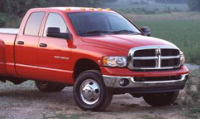
Octane for the Hemi


Captain
Joined: Dec 2004
Posts: 679
Likes: 0
From: New Castle Delaware
 RE: Octane for the Hemi
[quote]ORIGINAL: crashedcdo
people that say gas is too expensive and buy a full size truck with a hemi. doesnt make sense to me.
when filling up at a gas station using 89 octane over 87 will cost you 30 cents more for every $20 you put in. so if it cost you $60 to fill up, then using 89 octane you will loose 3/10 of a gallon over 87. my point is 89 is really not that much more. i think that you make up for it with better mpg's. maybe only .5 gain is what i notice but i have a 5.9.
I don't understand your math. .
people that say gas is too expensive and buy a full size truck with a hemi. doesnt make sense to me.
when filling up at a gas station using 89 octane over 87 will cost you 30 cents more for every $20 you put in. so if it cost you $60 to fill up, then using 89 octane you will loose 3/10 of a gallon over 87. my point is 89 is really not that much more. i think that you make up for it with better mpg's. maybe only .5 gain is what i notice but i have a 5.9.
I don't understand your math. .


Rookie
Joined: Jul 2006
Posts: 56
Likes: 0
RE: Octane for the Hemi
the math is actually very simple. just think about it. when gas is 2.50 a gallon on average and plus is only 10 cents more , the difference is too minmal.
for example let just say you have a 20 gallon tank and gas is 2.50 for 87 and 2.60 for 89 it would cost $50 to fill up with 87 and $52 to fill up with 89. i peronally think the $2 extra is worth it to burn cleaner fuel.
for example let just say you have a 20 gallon tank and gas is 2.50 for 87 and 2.60 for 89 it would cost $50 to fill up with 87 and $52 to fill up with 89. i peronally think the $2 extra is worth it to burn cleaner fuel.

Professional
Joined: Aug 2005
Posts: 184
Likes: 0
From: F@#kin' Jersey
RE: Octane for the Hemi
I have always run mid grade in my Ram, I have heard that anything higher than 89 is a waste cause your comp. doesn't recognize it. i dunno how true that is but once in a while the BP stations round here will haveUltimate gradeat the same price as 89. I'd like think theultimate performs better than the mid but I am to busy stompin' on the gas pedal to really notice any improvment in MPG lol.

Veteran
Joined: Mar 2006
Posts: 417
Likes: 0
From:
RE: Octane for the Hemi
I ran on regular for 3 months after getting the truck pre-owned and the previous owner had run nothing but regular. After a little while, I shot a check engine light and took it in to have the code checked. Well....the fuel rail and injectors were clogged and I was only getting 11.8mpg, now I run 89 and get 14 and when I run 93 (I am currently) I get 16+ on a 03 Hemi Quad Cab.
Captain
Joined: Dec 2004
Posts: 679
Likes: 0
From: New Castle Delaware
RE: Octane for the Hemi
ORIGINAL: crashedcdo
the math is actually very simple. just think about it. when gas is 2.50 a gallon on average and plus is only 10 cents more , the difference is too minmal.
for example let just say you have a 20 gallon tank and gas is 2.50 for 87 and 2.60 for 89 it would cost $50 to fill up with 87 and $52 to fill up with 89. i peronally think the $2 extra is worth it to burn cleaner fuel.
the math is actually very simple. just think about it. when gas is 2.50 a gallon on average and plus is only 10 cents more , the difference is too minmal.
for example let just say you have a 20 gallon tank and gas is 2.50 for 87 and 2.60 for 89 it would cost $50 to fill up with 87 and $52 to fill up with 89. i peronally think the $2 extra is worth it to burn cleaner fuel.

Grand Champion
Joined: May 2006
Posts: 6,041
Likes: 0
From: Gilbert, Arizona
RE: Octane for the Hemi
The higher the octane the slower the fuel burns in the cylinder
Rookie
Joined: Jul 2006
Posts: 56
Likes: 0
RE: Octane for the Hemi
wow. did someone have a bad day? i thought that higher octane burns faster. for example diesel is only 15-20 octane and burns very slow. now i am no octane testing tech with a hair up my *** and i know they use a different scale for diesel but i still could be wrong. and btw if it really is .30 cents more there then a 26 gallon tank would only cost $6 more to fill up with 89. and 89 is a cleaner burning fuel than 87.

Captain
Joined: Aug 2005
Posts: 560
Likes: 0
From:
RE: Octane for the Hemi
A little Google, A little copy and paste and here you go:
The octane rating of gasoline tells you how much the fuel can be compressed before it spontaneously ignites. When gas ignites by compression rather than because of the spark from the spark plug, it causes knocking in the engine. Knocking can damage an engine, so it is not something you want to have happening. Lower-octane gas (like "regular" 87-octane gasoline) can handle the least amount of compression before igniting.
The compression ratio of your engine determines the octane rating of the gas you must use in the car. One way to increase the horsepower of an engine of a given displacement is to increase its compression ratio. So a "high-performance engine" has a higher compression ratio and requires higher-octane fuel. The advantage of a high compression ratio is that it gives your engine a higher horsepower rating for a given engine weight -- that is what makes the engine "high performance." The disadvantage is that the gasoline for your engine costs more.
http://auto.howstuffworks.com/question90.htm
Octane ratings are ratings used to represent the anti-knock performance of petroleum-based fuels
http://en.wikipedia.org/wiki/Octane
In a nutshell, the higher the octane rating the higher the compression of the fuel before self combustion. The higher the compression ratio of an engine, the higher octane rating you need to avoid premature combustion and knocking.
The octane rating of gasoline tells you how much the fuel can be compressed before it spontaneously ignites. When gas ignites by compression rather than because of the spark from the spark plug, it causes knocking in the engine. Knocking can damage an engine, so it is not something you want to have happening. Lower-octane gas (like "regular" 87-octane gasoline) can handle the least amount of compression before igniting.
The compression ratio of your engine determines the octane rating of the gas you must use in the car. One way to increase the horsepower of an engine of a given displacement is to increase its compression ratio. So a "high-performance engine" has a higher compression ratio and requires higher-octane fuel. The advantage of a high compression ratio is that it gives your engine a higher horsepower rating for a given engine weight -- that is what makes the engine "high performance." The disadvantage is that the gasoline for your engine costs more.
http://auto.howstuffworks.com/question90.htm
Octane ratings are ratings used to represent the anti-knock performance of petroleum-based fuels
http://en.wikipedia.org/wiki/Octane
In a nutshell, the higher the octane rating the higher the compression of the fuel before self combustion. The higher the compression ratio of an engine, the higher octane rating you need to avoid premature combustion and knocking.

Joined: Apr 2006
Posts: 34
Likes: 0
From:
RE: Octane for the Hemi
If your motor isn't knocking when using 87 octane, then don't waste your money paying for higher octane fuel. Numerous tests have been done by magazines as well as independent studies on this subject. They have all come to the same conculsion, don't waste your money on high octane fuel if you engine doesn't require it.
Using a highergrade of fuel may make you feel good inside, but it sures does empty your wallet a lot faster. Some tests have also shown that using Premium fuel when Regular fuel was reccommended, caused higher carbon build-up due the slower burn of high octane fuel.
Its your money and if making the Chevron's of the world richer is your goal, more power to ya!
Merry Christmas