


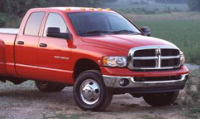
Hemi VS 4.7


Thread Starter
Joined: Jan 2007
Posts: 2
Likes: 0
 Hemi VS 4.7
Hi everyone. I am reading this forum since a couple of month but never posted
Sorry for my english, it's not my primary language.
I have a question about the HEMI.
With the MDS system, is it more fuel economic than the 4.7 ?
Thanks everyone !
Sorry for my english, it's not my primary language.
I have a question about the HEMI.
With the MDS system, is it more fuel economic than the 4.7 ?
Thanks everyone !

Veteran
Joined: Jan 2007
Posts: 301
Likes: 0
RE: Hemi VS 4.7
I just took a 425 mile trip and my trip computer had 20.2mpg when I got home in my driveway, this includes all of the city driving I did while we were out of town. I own a 06 Quad Cab Hemi with a K&N filter with a Superchips set at 91 performance. While I was on the highway my cruse was set @ 75mph, I live in Mississippi and our roads are not all flat, we have a lot of foot hills.

Record Breaker
Joined: Sep 2005
Posts: 1,366
Likes: 0
From:
RE: Hemi VS 4.7
Fuel Economy depends on the driver... if you do a lot of driving 40-60mph w/ cruise control on, then the HEMI is for you... but in stop and go traffic the HEMI is a pig.
The MDS will only kick on if you are cruising. When I have been really stepping on the gas I got as low as 6mpg... but I have gotten as high as 21.3mpg cruising at 65mph on the highway.
Hope that helps, if you have anymore questions feel free to post them.
The MDS will only kick on if you are cruising. When I have been really stepping on the gas I got as low as 6mpg... but I have gotten as high as 21.3mpg cruising at 65mph on the highway.
Hope that helps, if you have anymore questions feel free to post them.
Veteran
Joined: Jan 2007
Posts: 301
Likes: 0
RE: Hemi VS 4.7
ORIGINAL: moparkj
Fuel Economy depends on the driver... if you do a lot of driving 40-60mph w/ cruise control on, then the HEMI is for you... but in stop and go traffic the HEMI is a pig.
The MDS will only kick on if you are cruising. When I have been really stepping on the gas I got as low as 6mpg... but I have gotten as high as 21.3mpg cruising at 65mph on the highway.
Hope that helps, if you have anymore questions feel free to post them.
Fuel Economy depends on the driver... if you do a lot of driving 40-60mph w/ cruise control on, then the HEMI is for you... but in stop and go traffic the HEMI is a pig.
The MDS will only kick on if you are cruising. When I have been really stepping on the gas I got as low as 6mpg... but I have gotten as high as 21.3mpg cruising at 65mph on the highway.
Hope that helps, if you have anymore questions feel free to post them.
I get good mileage on the highway and ok for city but if I get in the gas so does the hemi. They are thirsty if you drive them hard no doubt about it. But you can keep the MPG down if you need too. Up to you and how you drive. But don’t let those other guys take you at the light just because you want to save a buck


Joined: Jan 2007
Posts: 38
Likes: 0
From:
RE: Hemi VS 4.7
I drive a 4.7 QC and average 18.5 on a 500 mile trip to the Texas hill country whre the speed limiys are 70-80 mph. I mainly use my truck for light hauling so it has more than adequate power. IMO, if I needed more power, I'd look at a diesel. Let the Hemi barbs fly!

Champion
Joined: Aug 2005
Posts: 3,313
Likes: 8
RE: Hemi VS 4.7
At least this month (Jan 2007)
Chrysler has been offering the 5.7V8 with MDS as a
"no cost upgrade"
over the 4.7 on Rams
and pointing out to customers that
the 5.7MDS has better EPA MPG test results by about 1.
When evaluating this, keep in mind that you are comparing a 5.7V8 running on 4 cylinders (and dragging along 4 not being used) at a speed of 55 mph to a 4.7V8 running on eight cylinders also at a speed of 55 mph.
At speeds of 70-79 mph the MDS on the stock 5.7 Ram body will not kick in unless you are going downhill, or have a wind at your back. Here at higher speeds in the 'real world' the 4.7V8 might regain a bit of a MPG edge.
The UAW workers at Mack I/II engine plants in Detroit are feeling this and worried for their jobs building 3.7 and 4.7 engines:
http://www.detnews.com/apps/pbcs.dll...701300367/1148
Even before MDS was introduced on the 5.7V8
the unmodified EPA lab results were showing
that the 5.7 was within 4% of the 4.7 V8 in fuel efficiency.
The actual test results are available online from the EPA at:
http://www.epa.gov/fueleconomy/data.htm
to see the actual results go to this link:
http://www.epa.gov/otaq/tcldata.htm
and click on the year you are interested in.
The MPG numbers are in column 'AN'
These are not the 'Window Sticker' numbers,
these databases have the actual city and highway test results down to a tenth of a mpg. This makes it easier to compare. Since 1985 EPA has applied a 'fudge factor' to these actual results to get the number that you see on the Window Sticker. This happened because citizens complained the EPA city and highway numbers were TOO HIGH compared to 'normal driving'. Next year EPA will apply an even greater 'fudge factor' because citizens are still complaining that they can't get at 79 mph the MPG that EPA measures at 55 mph.
If you look at the 2003 year numbers
you can compare the Magnum
5.9V8 to the 5.7V8 (without MDS back then)
and to the 4.7V8 and 3.7V6
3.7V6 2wd had 25.4 MPG highway with 45RFE and 3.55 diff
4.7V8 2wd had 24.2 MPG highway with 45RFE and 3.55 diff
5.7V8 2wd had 23.3 MPG highway with 545RFE and 3.55 diff
5.9V8 2wd had 22.0 MPG highway with 47RE and 3.55 diff
Chrysler's official press release on the 5.7 Hemi said that it was 8-12% more fuel efficient than the 10 year old Magnum 5.9V8 design. But notice
in the above that in the 2003 Ram pickup the 5.7 Hemi was only 6% more efficient at highway speed (23.3/22.0).
This may be because the 545 automatic transmission has more internal friction when in overdrive (where it has two planetary gearsets turning) compared to the older 47RE auto that only had one planetary gearset turning.
For comparing the 5.7 with MDS to the 4.7
look at the 2007 year numbers.
4.7V8 2wd had 23.7 MPG highway with 545RFE and 3.55 diff
5.7MDS 2wd had 25.4 MPG highway with 545RFE and 3.55 diff
Adding MDS to the 5.7V8 at a steady 55 mph improved it by
(25.4/23.3) or 9%
This matches what Chrysler said in their press release about MDS on the 5.7V8 where they wrote the most gains were below 60 mph, with maximum gain of 20% around 45 mph.
2wd 5.7 Rams will be able to go a little faster in MDS mode and get better MPG than 4wd Rams because the extra driveline friction and weight of the front axle loads the engine down more.
See post number 37 in this older thread
https://dodgeforum.com/m_665489/mpage_2/key_/tm.htm
Chrysler has been offering the 5.7V8 with MDS as a
"no cost upgrade"
over the 4.7 on Rams
and pointing out to customers that
the 5.7MDS has better EPA MPG test results by about 1.
When evaluating this, keep in mind that you are comparing a 5.7V8 running on 4 cylinders (and dragging along 4 not being used) at a speed of 55 mph to a 4.7V8 running on eight cylinders also at a speed of 55 mph.
At speeds of 70-79 mph the MDS on the stock 5.7 Ram body will not kick in unless you are going downhill, or have a wind at your back. Here at higher speeds in the 'real world' the 4.7V8 might regain a bit of a MPG edge.
The UAW workers at Mack I/II engine plants in Detroit are feeling this and worried for their jobs building 3.7 and 4.7 engines:
http://www.detnews.com/apps/pbcs.dll...701300367/1148
Even before MDS was introduced on the 5.7V8
the unmodified EPA lab results were showing
that the 5.7 was within 4% of the 4.7 V8 in fuel efficiency.
The actual test results are available online from the EPA at:
http://www.epa.gov/fueleconomy/data.htm
to see the actual results go to this link:
http://www.epa.gov/otaq/tcldata.htm
and click on the year you are interested in.
The MPG numbers are in column 'AN'
These are not the 'Window Sticker' numbers,
these databases have the actual city and highway test results down to a tenth of a mpg. This makes it easier to compare. Since 1985 EPA has applied a 'fudge factor' to these actual results to get the number that you see on the Window Sticker. This happened because citizens complained the EPA city and highway numbers were TOO HIGH compared to 'normal driving'. Next year EPA will apply an even greater 'fudge factor' because citizens are still complaining that they can't get at 79 mph the MPG that EPA measures at 55 mph.
If you look at the 2003 year numbers
you can compare the Magnum
5.9V8 to the 5.7V8 (without MDS back then)
and to the 4.7V8 and 3.7V6
3.7V6 2wd had 25.4 MPG highway with 45RFE and 3.55 diff
4.7V8 2wd had 24.2 MPG highway with 45RFE and 3.55 diff
5.7V8 2wd had 23.3 MPG highway with 545RFE and 3.55 diff
5.9V8 2wd had 22.0 MPG highway with 47RE and 3.55 diff
Chrysler's official press release on the 5.7 Hemi said that it was 8-12% more fuel efficient than the 10 year old Magnum 5.9V8 design. But notice
in the above that in the 2003 Ram pickup the 5.7 Hemi was only 6% more efficient at highway speed (23.3/22.0).
This may be because the 545 automatic transmission has more internal friction when in overdrive (where it has two planetary gearsets turning) compared to the older 47RE auto that only had one planetary gearset turning.
For comparing the 5.7 with MDS to the 4.7
look at the 2007 year numbers.
4.7V8 2wd had 23.7 MPG highway with 545RFE and 3.55 diff
5.7MDS 2wd had 25.4 MPG highway with 545RFE and 3.55 diff
Adding MDS to the 5.7V8 at a steady 55 mph improved it by
(25.4/23.3) or 9%
This matches what Chrysler said in their press release about MDS on the 5.7V8 where they wrote the most gains were below 60 mph, with maximum gain of 20% around 45 mph.
2wd 5.7 Rams will be able to go a little faster in MDS mode and get better MPG than 4wd Rams because the extra driveline friction and weight of the front axle loads the engine down more.
See post number 37 in this older thread
https://dodgeforum.com/m_665489/mpage_2/key_/tm.htm
Trending Topics
Veteran
Joined: Jan 2007
Posts: 301
Likes: 0
RE: Hemi VS 4.7
ORIGINAL: HankL
At speeds of 70-79 mph the MDS on the stock 5.7 Ram body will not kick in unless you are going downhill, or have a wind at your back. Here at higher speeds in the 'real world' the 4.7V8 might regain a bit of a MPG edge.
At speeds of 70-79 mph the MDS on the stock 5.7 Ram body will not kick in unless you are going downhill, or have a wind at your back. Here at higher speeds in the 'real world' the 4.7V8 might regain a bit of a MPG edge.
Where did you read this? Chrysler says it is activated when the engine is under light load. My understanding is the MDS system monitors the oil pressure to determine when the engine is under load or not.
