


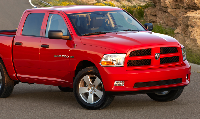
octane requirement for hemi


Champion
Joined: Dec 2007
Posts: 3,563
Likes: 0
From: Ontario, Canada

I wonder how much is that octane boost I see in the auto stores. Would it get you from 87 to 89 cheaper than gas? Will have to check it out next time I am at Canadian Tire or some parts store.


Captain
Joined: Jan 2009
Posts: 505
Likes: 0
From: Dayton, OH suburbs
Did you know that for gasoline the higher the octane rating, the lower the energy per unit volume? Why is this? The lower the amount of energy, the less prone it is to ignition from heat and compression. High performance engines have higher compression ratios (cylinders compress fuel and air mixture to a greater pressure before ignition) and the lower octane fuels have a tendency to ignite under compression prior to the spark from the spark plug.
This is why engines designed for 87 octane have zero benefit from running higher octane fuel (no matter the octane, preignition does not take place). Hemi's are designed to sense if preignition of the fuel is taking place and can thus run on 87 or 89 octane gasoline.
This is why engines designed for 87 octane have zero benefit from running higher octane fuel (no matter the octane, preignition does not take place). Hemi's are designed to sense if preignition of the fuel is taking place and can thus run on 87 or 89 octane gasoline.


Professional
Joined: May 2009
Posts: 234
Likes: 0
It comes up every time there's a topic on Octane ratings, but I'll reiterate that octane rateings have no effect on MPG what so ever. If anything using too high of an octane rated fuel than the computer can compensate for can cause a decrease in mileage, but there is probably larger variences in mileage calculations than this.
Right now at the corner Chevron its:
$2.69.9 Reg 87 = the price of 93 octane in Memphis.
$2.89.9 Mid 89
$2.99.9 Pre 93
Say you pump 28 Gal (low gas light on, some gas left in reserve on the 36 Gal tank)
Tank of Reg will cost you: $75.57
Tank of Mid will cost you: $81.17
Tank of Pre will cost you: $83.97
Now to me, $5.60 isn't worth 2 octane points. And I would rather buy top tier gas, than any grade at stations not meeting such requirements. Just because it says premium, doesn't mean its higher quality, don't give into the marketing hype.
Right now at the corner Chevron its:
$2.69.9 Reg 87 = the price of 93 octane in Memphis.
$2.89.9 Mid 89
$2.99.9 Pre 93
Say you pump 28 Gal (low gas light on, some gas left in reserve on the 36 Gal tank)
Tank of Reg will cost you: $75.57
Tank of Mid will cost you: $81.17
Tank of Pre will cost you: $83.97
Now to me, $5.60 isn't worth 2 octane points. And I would rather buy top tier gas, than any grade at stations not meeting such requirements. Just because it says premium, doesn't mean its higher quality, don't give into the marketing hype.
Last edited by CarterT1975; Oct 29, 2009 at 07:33 AM.

Professional
Joined: Jun 2009
Posts: 228
Likes: 0
From: Ft Sill,Ok
Ouch! The price of your low grade is what we pay for 93. 87 is $2.47 here in Memphis. As for top tier gas stations, the same fuel trucks that are filling Shell/Mobil/Exxon are filling Walmart/Costco/and Uncle Billy's corner store gas station. It can be argued that the tank conditions might be better and the additives are different, but it's the same gas.

Professional
Joined: Sep 2009
Posts: 143
Likes: 0
From: Houston
Did you know that for gasoline the higher the octane rating, the lower the energy per unit volume? Why is this? The lower the amount of energy, the less prone it is to ignition from heat and compression. High performance engines have higher compression ratios (cylinders compress fuel and air mixture to a greater pressure before ignition) and the lower octane fuels have a tendency to ignite under compression prior to the spark from the spark plug.
This is why engines designed for 87 octane have zero benefit from running higher octane fuel (no matter the octane, preignition does not take place). Hemi's are designed to sense if preignition of the fuel is taking place and can thus run on 87 or 89 octane gasoline.
This is why engines designed for 87 octane have zero benefit from running higher octane fuel (no matter the octane, preignition does not take place). Hemi's are designed to sense if preignition of the fuel is taking place and can thus run on 87 or 89 octane gasoline.
I was reading something about how they decide the octane rating on engines and it's something to do with Iso-Octane and Heptane. Depending on the percentage of Iso-Octane used in the test gives you your octane rating 90% = 90 89% = 89 etc etc. So the engine isn't really tuned for normal gas, or that nasty ethanol mixture. Which I think is the reason why personally my mileage has dropped, I need to find a gas station that doesn't use ethanol mixed in the fuel if there is such a thing anymore.
Interesting article on drop in mileage due to ethanol if you're bored.
http://www.americanfuels.info/2008/0...l-mileage.html