
How Lamborghini Played a Role in the Dodge Intrepid & Viper
Chrysler’s ownership of the Italian supercar maker was brief, but it led to key vehicles for both brands.
The folks at Driving.ca recently published a piece discussing the short period of time when Chrysler owned Lamborghini. The legendary Italian supercar company is currently owned by the Volkswagen Auto Group, but many people forget that from 1987 through 1994, Lamborghini was part of the Chrysler Corporation. Some people would insist that this period of time was fairly forgettable for both companies, but the partnership led to a key vehicle in Lamborghini’s history and a Chrysler concept car with Lambo bones that would lead to the Dodge Intrepid and the other LH-based sedans.
Also, while the initial article doesn’t mention this, there was also one very special engine created with help from Lamborghini that would end up powering the legendary Dodge Viper.
Buying Lamborghini
Lamborghini got off to a great start in the 1960s, selling competitors to the best from Ferrari into the 1970s, but like many performance cars in the mid-1970s, sales plummeted during the company’s second decade. As a result, the brand would change hands several times and the company was even forced to declare bankruptcy in 1978, leading to the period of time where the Lamborghini was owned by Robert, Jean-Claude, and Patrick Mimran. These Swiss brothers made their money in the sugar industry before taking over the automaker, but the only time that they made money was in 1987, when Lamborghini was sold to the Chrysler Corporation.
Chrysler boss Lee Iacocca was a major supporter of the purchase and he pushed for a large investment in the supercar brand, while executive vice president Bob Lutz pushed for a Chrysler-influenced concept with Lamborghini bits.
The Portofino
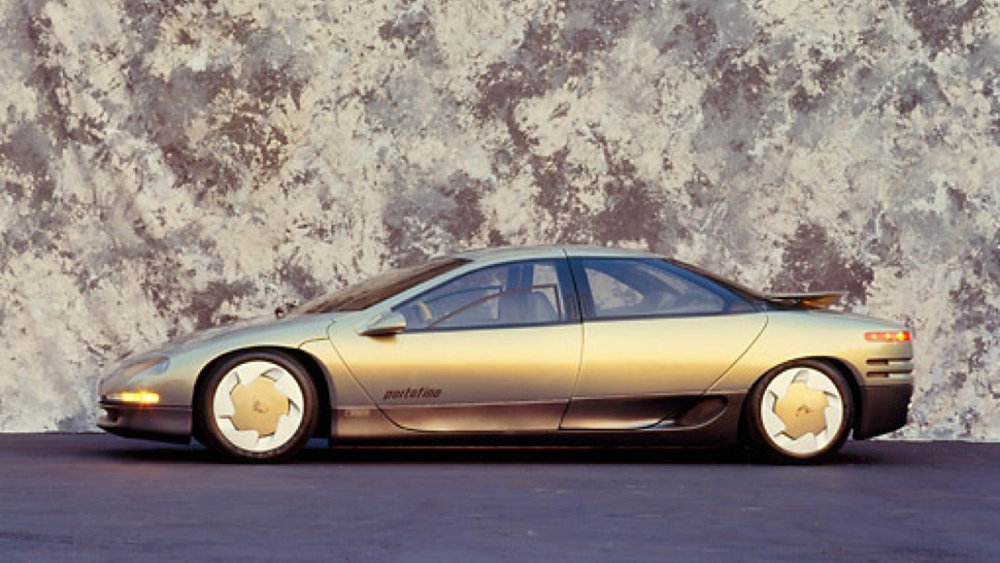
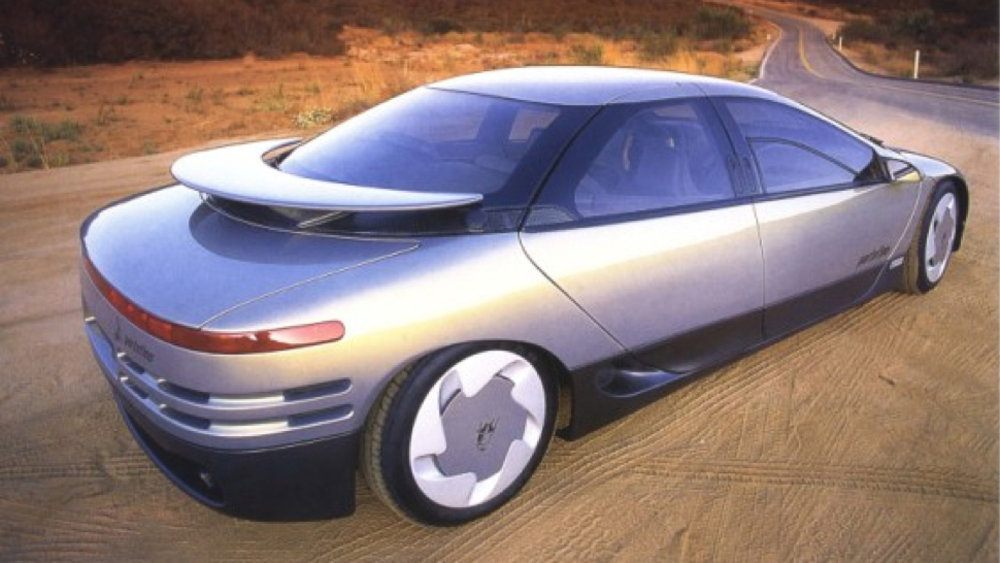
That unique sedan, built on a stretched Lamborghini Jalpa chassis and powered by a 3.5-liter Lamborghini V8, was called the Portofino. It had an unusual body design, with the front wheels pushed way forward, creating a huge cabin and technically making it a mid-engine car, due to the engine being within the wheelbase.
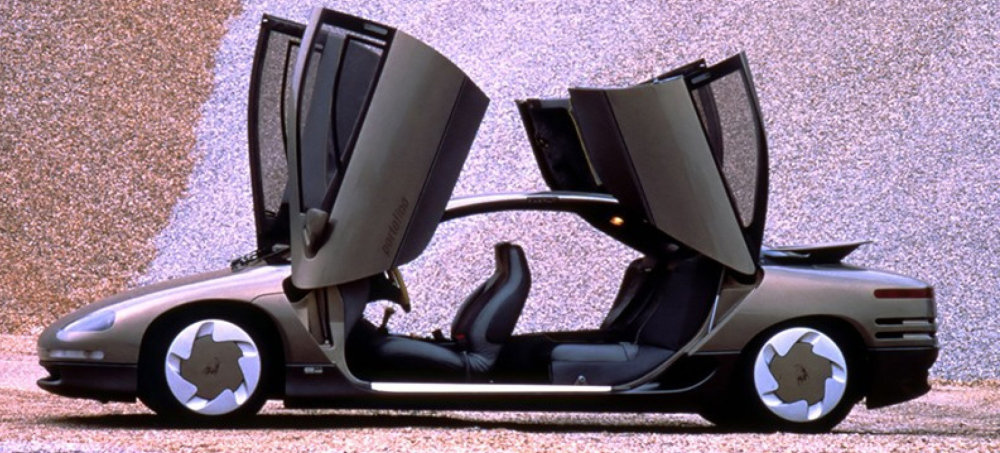
More unusual than the exterior shape was the fact that this large sedan had four doors that opened upwards, leading to huge openings along the side and easy access to the sporty interior.
This car obviously never saw production, but the exterior design would lead to the shape of the Chrysler LH sedans, including the Dodge Intrepid, the Chrysler Concorde and the Eagle Vision. Ultimately, this project didn’t do anything for Lamborghini, but it played a key role in the sedan success of the Chrysler Group in the 1990s.
The Diablo
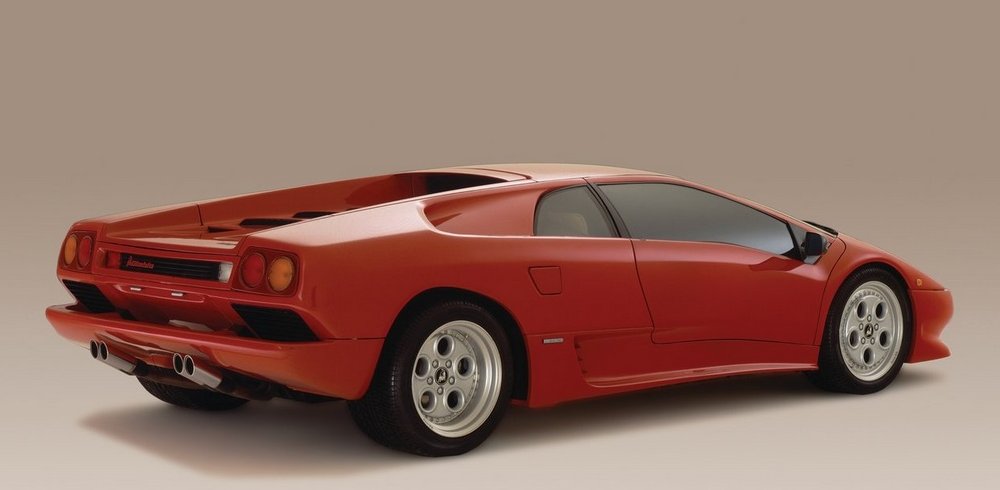
The Portofino didn’t help Lamborghini, but during Chrysler’s leadership, the mighty Diablo project was completed and brought to production. The Diablo was powered by a 5.7-liter V12 that delivered 485 horsepower and 428 lb-ft of torque, with the power being sent to the rear wheels by means of a 5-speed manual transmission.
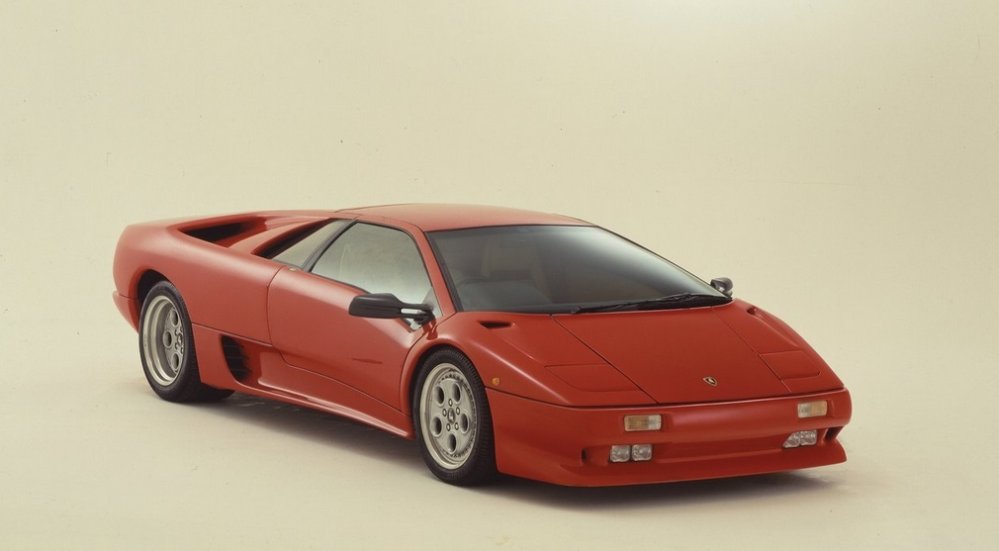
That powerful engine, coupled with the sharp lines of the Diablo, made it one of the fastest cars in the world, hitting a top speed of 202 miles per hour while also being quite quick, dashing from a stop to 62 miles per hour in 4.5 seconds.
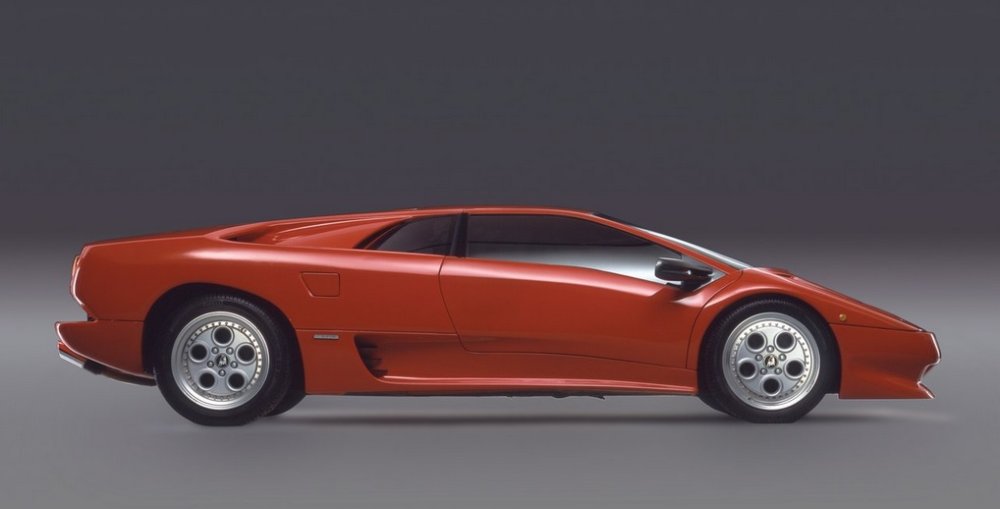
The Diablo helped propel Lamborghini back into the supercar mainstream, helping the brand to post big sales numbers at first, but as sales of the angular machine tapered off, Chrysler sold the company to Mycom Setdco and the V’Power Corporation in 1994.
The Viper V10
Lastly, the other key development during the period when Chrysler owned Lamborghini was a supercar engine that started off as two van engines. Chrysler’s engineers took two 360-cubic inch V8s to the Italian engineers, asking them to create a V10 engine. They cut both engines apart, using six cylinders from one engine and four from the other, welding them together and creating a V10 engine.
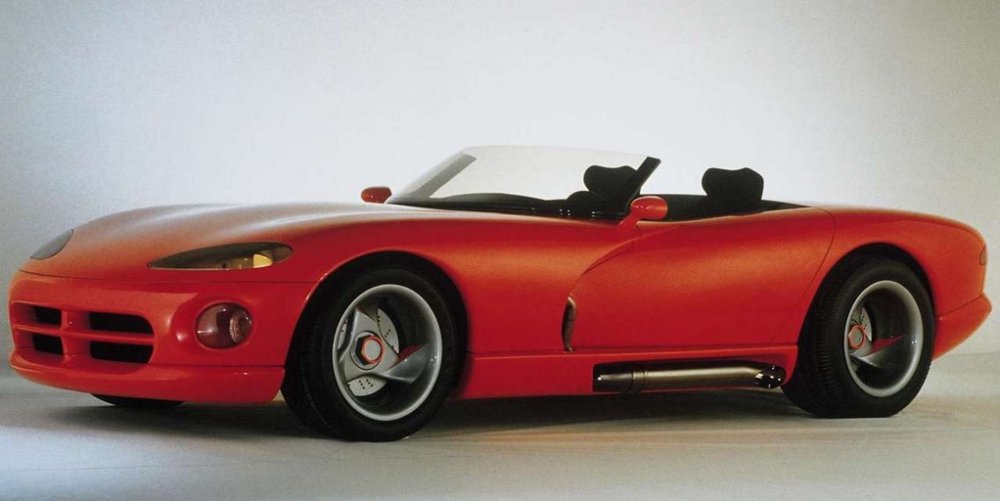
That engine would eventually be tweaked and remade in aluminum to power the first Viper, and every Dodge supercar since then has been powered by a variant of that original Lamborghini-developed V10.
Join the Dodge Forums now!

You must be logged in to post a comment.