When you click on links to various merchants on this site and make a purchase, this can result in this site earning a commission. Affiliate programs and affiliations include, but are not limited to, the eBay Partner Network.
1st Gen Ram Tech'93 & older Rams: This section is for TECHNICAL discussions only, that involve 1993 Rams and older. For any non-tech discussions, please direct your attention to the "General discussion/NON-tech" sub sections.
I see a lot of younger drivers not knowing about that. Some of the stuff I've had would baffle most drivers today. Try 3 pedals and a throttle on the steering column. No, one isn't the clutch.
The van should use at least 10W-30, although if the engine has a lot of miles, I'd go with 10W-40 to help older bearings.
i believe they put 0w30 in my elcamino when they did an oil change at a shop. personally i would run 15w40 but usually my dodges leak or burn a bit of oil. if your van doesn't burn or leak oil you will be fine with a thinner oil but if you have any leaks they will likely become more noticeable or worse with a thinner oil.
i believe they put 0w30 in my elcamino when they did an oil change at a shop. personally i would run 15w40 but usually my dodges leak or burn a bit of oil. if your van doesn't burn or leak oil you will be fine with a thinner oil but if you have any leaks they will likely become more noticeable or worse with a thinner oil.
Too thin an oil on an engine not designed for it will score bearings from not having an oil film to ride on. I figure the guys who designed the engine knew what they were doing. I gave my niece a car once and it was an oil burner vut it was a neat little coupe. Before I signed it ober, I had the oil changed. The guy didn't ask, he just put 0W-20 oil in it and basically destroyed the engine.
Too thin an oil on an engine not designed for it will score bearings from not having an oil film to ride on. I figure the guys who designed the engine knew what they were doing. I gave my niece a car once and it was an oil burner vut it was a neat little coupe. Before I signed it ober, I had the oil changed. The guy didn't ask, he just put 0W-20 oil in it and basically destroyed the engine.
i don't know about that. 0w20 is just thinner when cold but thicken ups as it warms up allowing the oil lubricate parts better at low temperatures. if a vehicle was burning oil thinner oil like 0w20 would have not been great for it. i have put about 1000+km on my elcamino since the oil change and so far no issue other than a bit of smoke on first start up which i don't remember having before the oil change.
i don't know about that. 0w20 is just thinner when cold but thicken ups as it warms up allowing the oil lubricate parts better at low temperatures. if a vehicle was burning oil thinner oil like 0w20 would have not been great for it. i have put about 1000+km on my elcamino since the oil change and so far no issue other than a bit of smoke on first start up which i don't remember having before the oil change.
i know valve seals are likely the issue for me but thinner oil definitely doesn't help the seals leak less. i will slowly ad thicker oil as i top it up. just for the price that the oil change was i really thought i couldn't go wrong. man was i wrong. it was $21 for an oil change/grease job and would have likely cost me about $25 to do at home plus all the work of getting the elcamino up high enough for me to get under it. valve seals will definitely be on the list of things to do when i get to the engine but transmission is next on the list since rear end went bad before i got the transmission done.
i don't know about that. 0w20 is just thinner when cold but thicken ups as it warms up allowing the oil lubricate parts better at low temperatures. if a vehicle was burning oil thinner oil like 0w20 would have not been great for it. i have put about 1000+km on my elcamino since the oil change and so far no issue other than a bit of smoke on first start up which i don't remember having before the oil change.
Well, sort of. It doesn't thicken. In testing, it will flow like a 0 weight oil at a really cold temperature and at warmer temperatures, it will flow like a 20 weight. I'm thinking the test is at 0 and at 32 degrees. However, it's been several decades since I studied it and testing protocols may have changed since then. Someone here may work in the petroleum industry and might be able to shed light on it.
I figure people with lots of letters after their names designed the engines to work a certain way and older engines didn't have the same design parameters.



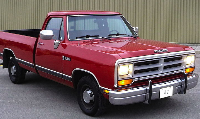


 Oil for 1984 B250


