



The $2,000 Paperweight


Thread Starter
|
Captain
Joined: Jul 2008
Posts: 678
Likes: 1
From: Houston, TX
 The $2,000 Paperweight
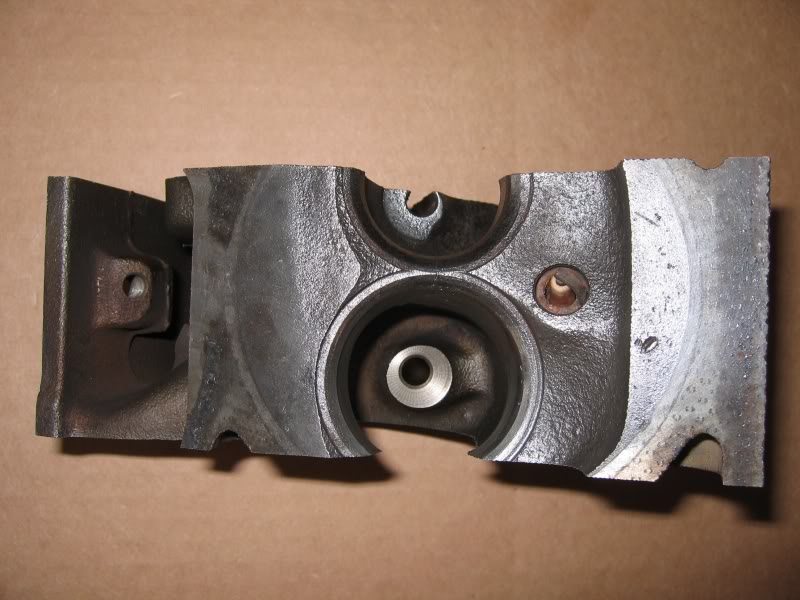
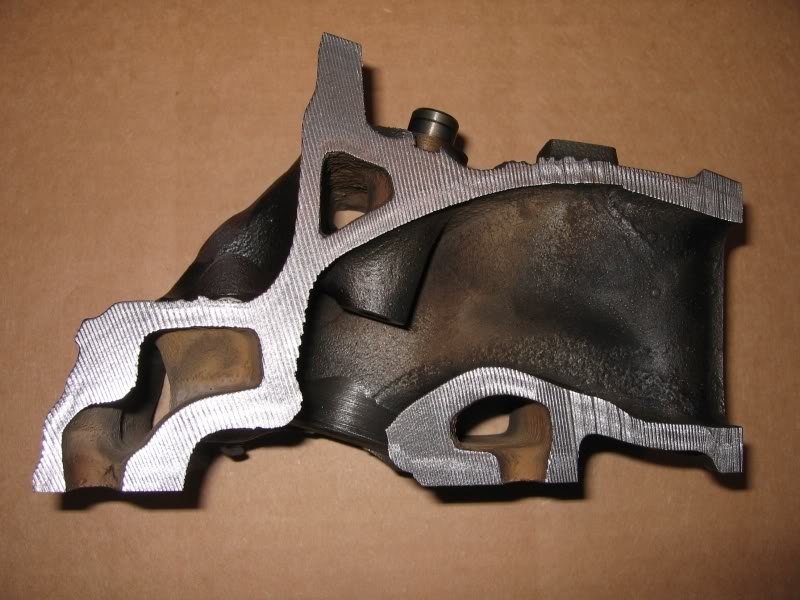
Ok, I spent some time this weekend making a cutaway of the bad cylinder head (#8 cylinder) I replaced last summer. "Why?", you ask. Well, the old heads were taking up room in my 1-car garage and I wanted to save for future "victims" what this crack looks like in the iron before scrapping the heads. I used a band saw to cut out just the #8 cylinder and also show cross-sections of the intake/exhaust ports, and water jacket. In my case, the crack is most prominent on the intake seat, but it extends across to the exhaust seat and up the side of the exhaust valve pocket. If this had been allowed to go on longer, I'm sure it would have cracked through to the water jacket. BTW, the plug is the original one I broke off trying to remove. Here are the links:
Bottom View:
Intake Side View:
Exhaust Side View:

Crack Between Seats 1:

Crack Between Seats 2:

Crack Between Seats 3:
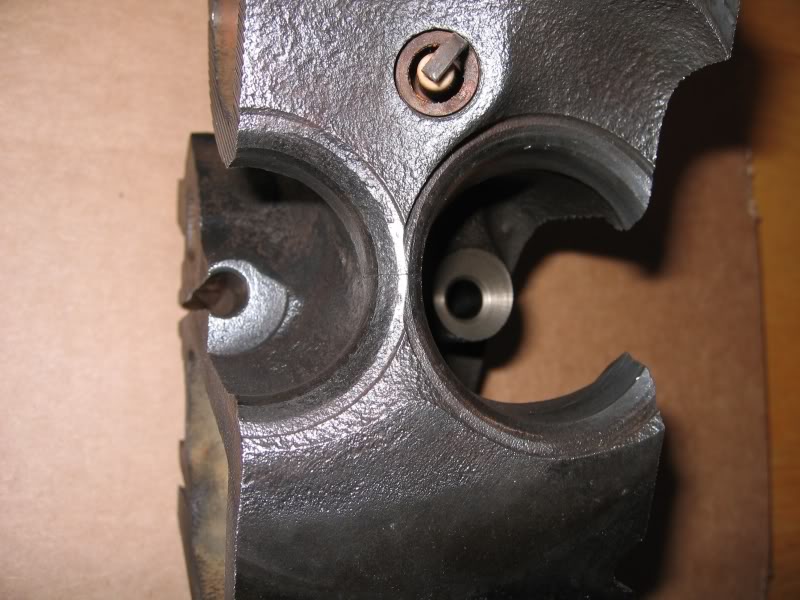
Crack Between Seats 4:

Crack Going Up Exhaust Side:
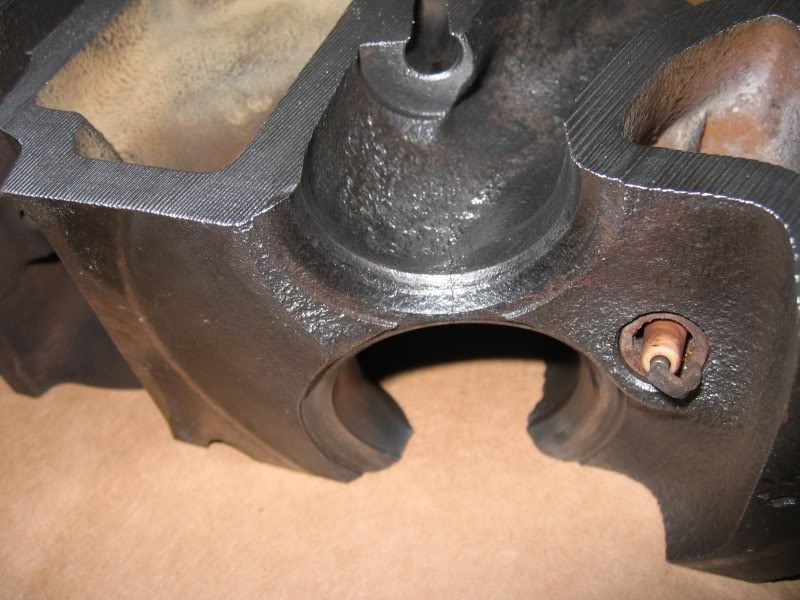
Crack Going Into Intake Side:
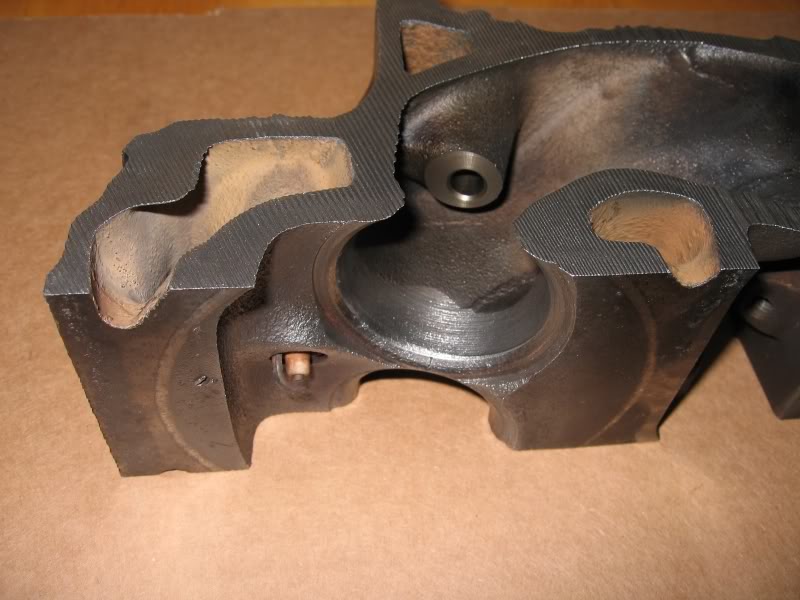
I don't know what caused the crack, but this cylinder does have FOD damage. I believe a spark plug electrode broke off at one time. You can see the gouge taken out of the CC in the last pic. I finally determined it was the dreaded crack after performing a leak down test. Air was pouring out the intake, even through that tiny crack. This is why I'm a constant broken record about perfoming a compression test when noobs get on here wanting to by a Dodge. Take heed of the $2,000 paperweight!
Bottom View:
Intake Side View:
Exhaust Side View:
Crack Between Seats 1:
Crack Between Seats 2:
Crack Between Seats 3:
Crack Between Seats 4:
Crack Going Up Exhaust Side:
Crack Going Into Intake Side:
I don't know what caused the crack, but this cylinder does have FOD damage. I believe a spark plug electrode broke off at one time. You can see the gouge taken out of the CC in the last pic. I finally determined it was the dreaded crack after performing a leak down test. Air was pouring out the intake, even through that tiny crack. This is why I'm a constant broken record about perfoming a compression test when noobs get on here wanting to by a Dodge. Take heed of the $2,000 paperweight!


Legend
Joined: Jul 2007
Posts: 7,843
Likes: 13
From: DFW, Texas
So, now what's the problem again? You know, there's an easier way to check if the plug was indexed or not.
In all seriousness, were you getting a misfire you could feel, or was it just the random flashing CEL?
I think I figured out that my random CEL was a bad crank sensor, but with all that pinging going on, I'm hoping I didn't start a crack in the cylinder head.
In all seriousness, were you getting a misfire you could feel, or was it just the random flashing CEL?
I think I figured out that my random CEL was a bad crank sensor, but with all that pinging going on, I'm hoping I didn't start a crack in the cylinder head.
Last edited by aim4squirrels; Jan 18, 2009 at 05:46 PM.

Professional
Joined: Feb 2008
Posts: 124
Likes: 0
From: Naples Fl
truth be known I'd wager 10-25% of iron cylinder heads on the road today have cracks in them somewhere. I have seen perfectly good running engines toe down for rebuilds that had cracks just like that on the valve seat areas. I have yet to see a 6.5 Chevy diesel head that didn't have cracks in the injector area.

Professional
Joined: Feb 2008
Posts: 124
Likes: 0
From: Naples Fl
don't sweat it man, if it ain't broke don't fix it. The famous 2.02 camel back chevy heads were notorious for having cracks and guys run those things like that hard for years and years.
Thread Starter
|
Captain
Joined: Jul 2008
Posts: 678
Likes: 1
From: Houston, TX
Thanks, PC. They were hastily taken with a Cannon S500. I can only get so close with that thing. 
Trending Topics
Thread Starter
|
Captain
Joined: Jul 2008
Posts: 678
Likes: 1
From: Houston, TX
I was getting a misfire you could really feel at idle and a solid CEL, misfire #8. None of my other cylinders ever misfired.

Thread Starter
|
Captain
Joined: Jul 2008
Posts: 678
Likes: 1
From: Houston, TX
truth be known I'd wager 10-25% of iron cylinder heads on the road today have cracks in them somewhere. I have seen perfectly good running engines toe down for rebuilds that had cracks just like that on the valve seat areas. I have yet to see a 6.5 Chevy diesel head that didn't have cracks in the injector area.