



47RE Front Band Adjustment Limit


 47RE Front Band Adjustment Limit
I have a 1998 Dodge RAM 2500 Cummins with a 47RE automatic transmission with 226,000 miles. I have always done my own tranny servicing and adjustments per the book. It still runs and shifts perfectly as it did when the truck was new. My question is about the limit for the front band adjustment. The screw on my truck still has about 2 threads above the lock nut. I would appreciate info from experienced transmission rebuilders. Please, no guesses, hunches, or theories. I have already exhausted those.
1. Can the adjustment continue until the lock nut is only hanging on two threads? Then what? Is the adjustment thread length the limiting factor or band wear?
2. Does the internal band wear remove the friction surface and begin to slip before the adjustment has reached the screw limit? Is band wear the limiting factor?
3. I understand from web searches that the adjustment screw CANNOT be removed and replaced with a custom screw that is longer. I have read that removing the screw allows internal parts to drop out of place and the tranny is toast. Is this true?
1. Can the adjustment continue until the lock nut is only hanging on two threads? Then what? Is the adjustment thread length the limiting factor or band wear?
2. Does the internal band wear remove the friction surface and begin to slip before the adjustment has reached the screw limit? Is band wear the limiting factor?
3. I understand from web searches that the adjustment screw CANNOT be removed and replaced with a custom screw that is longer. I have read that removing the screw allows internal parts to drop out of place and the tranny is toast. Is this true?

Administrator


Joined: Apr 2010
Posts: 87,588
Likes: 4,237
From: Clayton MI

Your bands will be metal on metal before the adjusting screw can't be gripped by the locknut. Keep in mind, it will still work, at least, for a little while. 
Putting in a longer adjusting screw isn't a good idea for the above mentioned reason. Now, if you were to drop the pan, you COULD put in a longer screw..... and just put the parts back in their correct places.... but, again... Not a good plan.
Putting in a longer adjusting screw isn't a good idea for the above mentioned reason. Now, if you were to drop the pan, you COULD put in a longer screw..... and just put the parts back in their correct places.... but, again... Not a good plan.
Thanks, HeyYou,
I have two followup questions.
1. Do you know the approximate amount of adjustment screw showing above or below the surface of the lock nut when the band wear has reached metal on metal?
2. What are the symptoms of metal on metal for this second gear front band?
Is it chattering?
Is it slipping?
Is it grabbing?
Is it harsh engagement?
Much appreciate . . .
I have two followup questions.
1. Do you know the approximate amount of adjustment screw showing above or below the surface of the lock nut when the band wear has reached metal on metal?
2. What are the symptoms of metal on metal for this second gear front band?
Is it chattering?
Is it slipping?
Is it grabbing?
Is it harsh engagement?
Much appreciate . . .
Administrator
Joined: Apr 2010
Posts: 87,588
Likes: 4,237
From: Clayton MI
Not sure on #1.
As for #2, any, or all of them. The friction material will allow a certain amount of slippage until pressure overcomes it. Granted, it happens pretty quick.... it would be a lot like driving a car with a manual trans, where the rivets that hold the clutch material to the disk are what is grabbing, instead of the friction material itself. Given the mileage on your truck, you are probably getting to that point, but, whether you are actually there yet or not... only way to tell, would be to open it up and look.
As for #2, any, or all of them. The friction material will allow a certain amount of slippage until pressure overcomes it. Granted, it happens pretty quick.... it would be a lot like driving a car with a manual trans, where the rivets that hold the clutch material to the disk are what is grabbing, instead of the friction material itself. Given the mileage on your truck, you are probably getting to that point, but, whether you are actually there yet or not... only way to tell, would be to open it up and look.

Legend
Joined: Jul 2011
Posts: 8,259
Likes: 4
From: Austin, TX
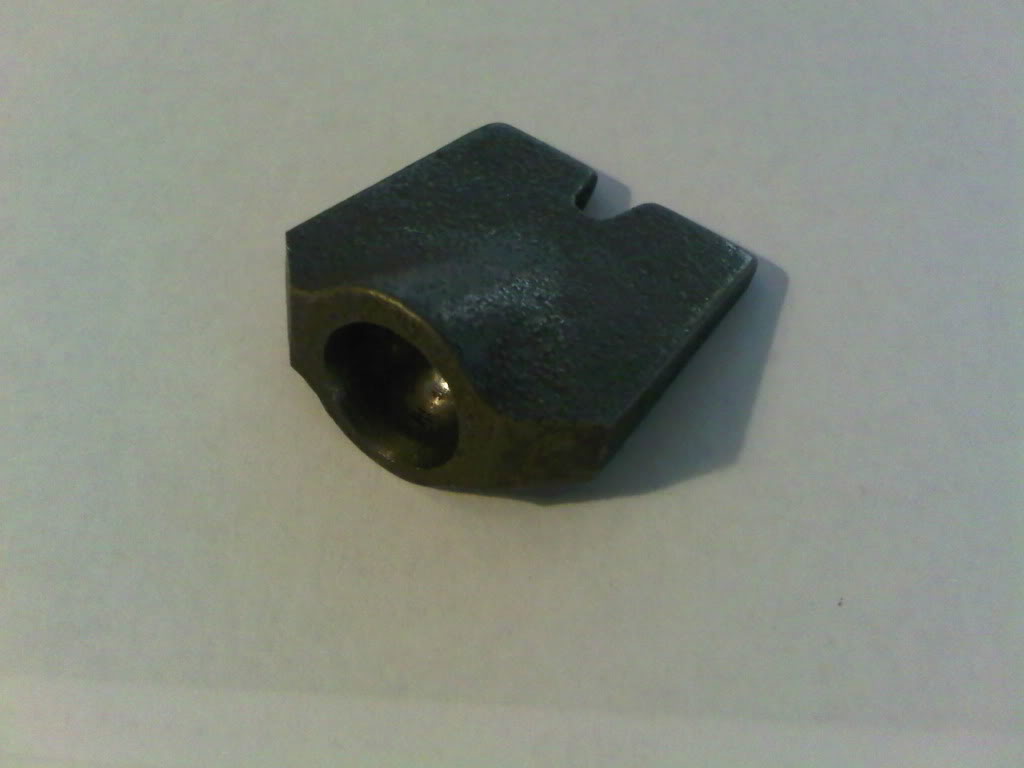
Removing the screw will allow the band anchor to drop out of place. This is the band anchor - (it dropped out on mine before I brought it home).
The strut can fall out as well:
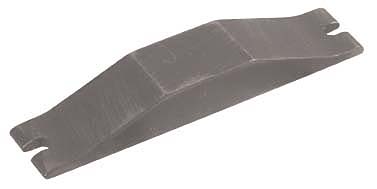
(yours will be thinner than this one, but same length with the notches)
Remove pan and peek inside. See how much gunk is in the bottom. The friction material that is worn off the band will now be sludge at bottom of pan.
The strut can fall out as well:
(yours will be thinner than this one, but same length with the notches)
Remove pan and peek inside. See how much gunk is in the bottom. The friction material that is worn off the band will now be sludge at bottom of pan.

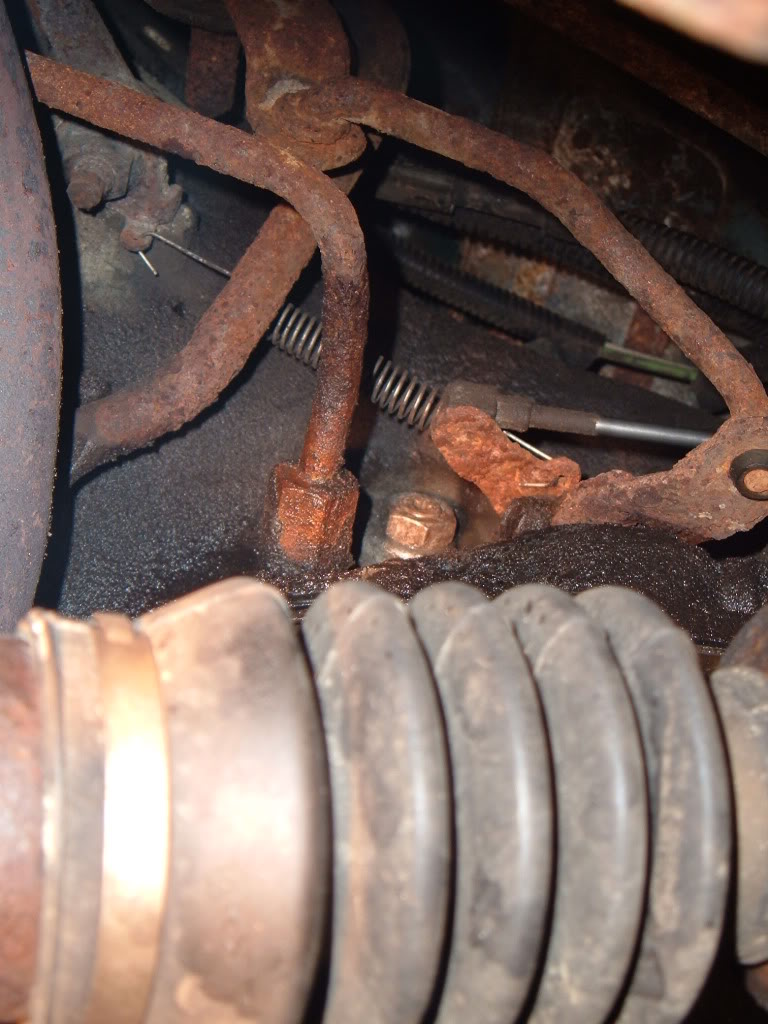 47RE Front Band Adjustment on 1998 Dodge Cummins
Hi Zman17,
The amount of adjustment thread showing above the nut on my truck is almost exactly like your picture. However, the locking nut on my 1998 is much thinner, so obviously the adjustment stud must also be different. You have a lot of thread left counting the thickness of the nut. I don't.
Do you have any information on the clutch packs. Do clutches usually last longer than the front band. Which component is the most likely the first to go and what are the symptoms.
Thanks everyone for your feedback.
Any additional information would be appreciated.
The amount of adjustment thread showing above the nut on my truck is almost exactly like your picture. However, the locking nut on my 1998 is much thinner, so obviously the adjustment stud must also be different. You have a lot of thread left counting the thickness of the nut. I don't.
Do you have any information on the clutch packs. Do clutches usually last longer than the front band. Which component is the most likely the first to go and what are the symptoms.
Thanks everyone for your feedback.
Any additional information would be appreciated.
