


Is there anything I should worry about when switching from conventional to synthetic?


 Is there anything I should worry about when switching from conventional to synthetic?
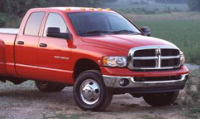
I'm changing my oil tomorrow and would like to use synthetic oil. Last few oil changes were conventional. Will there be any harm in doing this? Can I do all 7 quarts synthetic or do I need to mix? This is a 2007 Dodge Ram 2500 HD

Champion
Joined: Aug 2007
Posts: 4,702
Likes: 2
From: N. Florida
It's OK to mix, switch back and forth, whatever. As long as you use the proper viscosity (5W-20), you'll be fine. As for any advantages of synthetic over dino oil, meh. I use synthetic only in my Mazda, 'cause o' the turbo.
BTW, pour in five quarts and check the level. You likely will not need the full seven quarts.
BTW, pour in five quarts and check the level. You likely will not need the full seven quarts.

Record Breaker
Joined: Aug 2009
Posts: 1,831
Likes: 3
From: Tampa, FL
I haven't had any problems since my switch over. I usually put around 6 quarts in to fill it to the safe area. Although recently it seems that I've been losing oil slightly. Had to top it off a couple weeks ago.

Moderate User


Joined: Oct 2008
Posts: 17,003
Likes: 21
From: Albany, NY
No worries. If you have some oil left at the bottom of your pan that you are worried about, they do mix as stated, as long as they are the same viscosities. 90%Synthetic and 10% conventional residual is still synthetic in my book..haha


You will probably want to check the condition of the first change out, unless you've been running synthetic most of the time, as the synthetic oil will dissolve the buildup very quickly and deposit in your pan. As soon as it looks like conventional oil that is ready to change, change out the synthetic-------may seem expensive, but a plugged oil pickup is far more problematic to deal with and can in the extreme get kinda pricey too. After the second change, depending on how crudded up the engine is to begin with, you'll be golden to go full drain cycles.
Trending Topics



I never recommend combining synthetic and conventional or mixing weights. But either can be done. Mixing weights is not an issue as the weight of the oil only describes it's viscosity at high and low temperatures. The only chemical difference in weights is the amount thinner or thickener they use in the oil to reach the desired viscosity. (thinner weights for winter, thicker for summer) Also, if you got a slight burning off of oil in the combustion chamber due to age and wearing valve guide seals, I suggest using a thicker oil to reduce this oil burn off.
Ex: 5w30 is thinner (lower viscosity) at both extremes than 10w40.
But synthetic and conventional are two separate chemical makeups making it a far more riskier than different weights. Always use all of one kind or the other on oil changes and you can go back and forth between the two if you like. It will cause problems if you swap between the two EVERY oil change.
You should be fine when changing over from conventional to synthetic. Just be sure to keep checking that oil level and I suggest an early 2nd oil change on the synthetic. After about the 3rd or 4th oil change, you shouldn't have any noticeable residue from the conventional in the engine anymore and in the clear. I don't see you having any problems with what you are doing.
Ex: 5w30 is thinner (lower viscosity) at both extremes than 10w40.
But synthetic and conventional are two separate chemical makeups making it a far more riskier than different weights. Always use all of one kind or the other on oil changes and you can go back and forth between the two if you like. It will cause problems if you swap between the two EVERY oil change.
You should be fine when changing over from conventional to synthetic. Just be sure to keep checking that oil level and I suggest an early 2nd oil change on the synthetic. After about the 3rd or 4th oil change, you shouldn't have any noticeable residue from the conventional in the engine anymore and in the clear. I don't see you having any problems with what you are doing.