


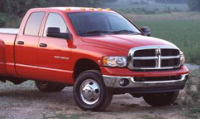
Smoke from the engine compartment


Thread Starter
|
Professional
Joined: Jan 2019
Posts: 178
Likes: 7
From: Upstate New York
 Smoke from the engine compartment
Hi All - so here's my situation ...
2004 Ram 1500
4.7 engine with over 278k miles
I was out the other day and when I parked my truck, smoke started coming out from under the hood, like I blew a rad hose. When I popped the hood, smoke was traveling from between the firewall and the back of the block. As it got worse, smoke started coming out from between the cab and the box. I called the fire department and they came and extinguished the smoke and said there was no fire.
After having it towed to the mechanic, he said I was leaking a lot of oil out from the head gasket in the back of the block, as well as the valve covers, which were leaking oil onto the manifold and from what he could see, the oil was dripping down onto the exhaust system, which is what may have caused the smoke. I did notice myself that there was a lot of oil under the truck all over some hoses on the passenger side.
Thing is, I've never heard of a head gasket leaking out oil without other symptoms, such as oil in the antifreeze or visa versa, or the vehicle blowing out white or blue smoke. So I'm putting this out there for some input because he said to replace the head gaskets and valve cover gaskets, as well as trans hoses and other small related things, I'm looking at about $1500 - and I just got done putting that same amount into the truck over the past 30 days (tires. brakes, front end work, tuneup, coil packs, and an oxygen sensor), so I have to decide whether or not to cut my losses or repair this problem.
My ears are open, so fire away ... Thanks!
2004 Ram 1500
4.7 engine with over 278k miles
I was out the other day and when I parked my truck, smoke started coming out from under the hood, like I blew a rad hose. When I popped the hood, smoke was traveling from between the firewall and the back of the block. As it got worse, smoke started coming out from between the cab and the box. I called the fire department and they came and extinguished the smoke and said there was no fire.
After having it towed to the mechanic, he said I was leaking a lot of oil out from the head gasket in the back of the block, as well as the valve covers, which were leaking oil onto the manifold and from what he could see, the oil was dripping down onto the exhaust system, which is what may have caused the smoke. I did notice myself that there was a lot of oil under the truck all over some hoses on the passenger side.
Thing is, I've never heard of a head gasket leaking out oil without other symptoms, such as oil in the antifreeze or visa versa, or the vehicle blowing out white or blue smoke. So I'm putting this out there for some input because he said to replace the head gaskets and valve cover gaskets, as well as trans hoses and other small related things, I'm looking at about $1500 - and I just got done putting that same amount into the truck over the past 30 days (tires. brakes, front end work, tuneup, coil packs, and an oxygen sensor), so I have to decide whether or not to cut my losses or repair this problem.
My ears are open, so fire away ... Thanks!

Captain


Joined: Mar 2019
Posts: 685
Likes: 68
From: Massachusetts
I had the same issue (although a very small leak) on one of my previous vehicles. It was exactly like your leak that you described. I had oil dripping very slowly right onto my exhaust manifold because the head gaskets were worn out. I'm not surprised that there were no other symptoms, because a gasket can sometimes just randomly go out without any notice.
Thread Starter
|
Professional
Joined: Jan 2019
Posts: 178
Likes: 7
From: Upstate New York
I had the same issue (although a very small leak) on one of my previous vehicles. It was exactly like your leak that you described. I had oil dripping very slowly right onto my exhaust manifold because the head gaskets were worn out. I'm not surprised that there were no other symptoms, because a gasket can sometimes just randomly go out without any notice.

All Star
Joined: Mar 2006
Posts: 833
Likes: 68
From: Chesapeake, VA
What cylinder is misfiring? I know you think that the misfire is not related to the oil leak, but I'd still take a look at that plug. If it has oil or coolant on it then you would have good idea where to start.
I recommend cleaning the engine all around the mating surfaces for the head gasket and valve cover. Then with the engine cool, remover the radiator cap and start the engine. Let the engine idle until the thermostat opens and watch for oil leaks in the area of the head gasket/valve cover, and, watch for bubbling in the coolant.
If you see oil leaking try to isolate the source. If it appears to be coming from the valve cover, remove a valve cover bolt and see if you can see oil pooling under the rubber grommet of the valve cover bolt.
Valve cover bolts are 8 mm, and torqued to 105 inch pounds.
Plan on removing the valve cover and replacing the spark plug seals and valve cover gasket. This is not difficult.
With the valve cover off, see if you can find the leak and if so, just replace the gasket/seals.
If it's still leaking after replacing the valve cover gasket, you can make decision as to whether to replace head gasket, or, try one of the leak stoppers that you run in your coolant. At 278K miles, that would be reasonable option.
You can definitely do it and save $1400 while learning more about your truck. Keep the truck for sure.
I recommend cleaning the engine all around the mating surfaces for the head gasket and valve cover. Then with the engine cool, remover the radiator cap and start the engine. Let the engine idle until the thermostat opens and watch for oil leaks in the area of the head gasket/valve cover, and, watch for bubbling in the coolant.
If you see oil leaking try to isolate the source. If it appears to be coming from the valve cover, remove a valve cover bolt and see if you can see oil pooling under the rubber grommet of the valve cover bolt.
Valve cover bolts are 8 mm, and torqued to 105 inch pounds.
Plan on removing the valve cover and replacing the spark plug seals and valve cover gasket. This is not difficult.
With the valve cover off, see if you can find the leak and if so, just replace the gasket/seals.
If it's still leaking after replacing the valve cover gasket, you can make decision as to whether to replace head gasket, or, try one of the leak stoppers that you run in your coolant. At 278K miles, that would be reasonable option.
You can definitely do it and save $1400 while learning more about your truck. Keep the truck for sure.
Last edited by jrsick; Jun 10, 2021 at 07:19 AM.
Thread Starter
|
Professional
Joined: Jan 2019
Posts: 178
Likes: 7
From: Upstate New York
What cylinder is misfiring? I know you think that the misfire is not related to the oil leak, but I'd still take a look at that plug. If it has oil or coolant on it then you would have good idea where to start.
I recommend cleaning the engine all around the mating surfaces for the head gasket and valve cover. Then with the engine cool, remover the radiator cap and start the engine. Let the engine idle until the thermostat opens and watch for oil leaks in the area of the head gasket/valve cover, and, watch for bubbling in the coolant.
If you see oil leaking try to isolate the source. If it appears to be coming from the valve cover, remove a valve cover bolt and see if you can see oil pooling under the rubber grommet of the valve cover bolt.
Valve cover bolts are 8 mm, and torqued to 105 inch pounds.
Plan on removing the valve cover and replacing the spark plug seals and valve cover gasket. This is not difficult.
With the valve cover off, see if you can find the leak and if so, just replace the gasket/seals.
If it's still leaking after replacing the valve cover gasket, you can make decision as to whether to replace head gasket, or, try one of the leak stoppers that you run in your coolant. At 278K miles, that would be reasonable option.
You can definitely do it and save $1400 while learning more about your truck. Keep the truck for sure.
I recommend cleaning the engine all around the mating surfaces for the head gasket and valve cover. Then with the engine cool, remover the radiator cap and start the engine. Let the engine idle until the thermostat opens and watch for oil leaks in the area of the head gasket/valve cover, and, watch for bubbling in the coolant.
If you see oil leaking try to isolate the source. If it appears to be coming from the valve cover, remove a valve cover bolt and see if you can see oil pooling under the rubber grommet of the valve cover bolt.
Valve cover bolts are 8 mm, and torqued to 105 inch pounds.
Plan on removing the valve cover and replacing the spark plug seals and valve cover gasket. This is not difficult.
With the valve cover off, see if you can find the leak and if so, just replace the gasket/seals.
If it's still leaking after replacing the valve cover gasket, you can make decision as to whether to replace head gasket, or, try one of the leak stoppers that you run in your coolant. At 278K miles, that would be reasonable option.
You can definitely do it and save $1400 while learning more about your truck. Keep the truck for sure.
With that said, I believe the plugs are still good, since the misfire was there before changing them out, so fouling shouldn't be the problem. I do know that if there is a head gasket leak, this can also cause a misfire, which is making me believe this was the problem all along, since everything else has been changed and the leak was and still is present.
I have yet to see any oil in the coolant or signs of coolant in the oil, other than some yellow foam under the oil filer cap, but that can happen due to short runs, whereas condensation builds up and doesn't have a chance to dissipate. Also, the truck doesn't show any signs of exhaust discoloration, so I'm not burning oil or coolant, but I have been noticing for a while I've been using oil, like a quart every 500-750 miles, which would explain the oil leak.
Thread Starter
|
Professional
Joined: Jan 2019
Posts: 178
Likes: 7
From: Upstate New York
UPDATE -
Just spoke to the mechanic and he took a closer look at the problem and stated that the heads are aluminum and look brittle and it seems like the aluminum is chipping away and does not suggest taking them off as they may never seal back properly. He suggested power washing the engine, replacing the trans hoses and the valve cover gaskets and then epoxying around the heads to prevent oil leakage, so that's the way I'm gonna go. He said, unless I want to chance replacing the head gaskets and if that doesn't work, get new heads, which he doesn't recommend because of the expense and mileage on the truck, epoxy would be my best bet and just run the truck until it expires.
Just spoke to the mechanic and he took a closer look at the problem and stated that the heads are aluminum and look brittle and it seems like the aluminum is chipping away and does not suggest taking them off as they may never seal back properly. He suggested power washing the engine, replacing the trans hoses and the valve cover gaskets and then epoxying around the heads to prevent oil leakage, so that's the way I'm gonna go. He said, unless I want to chance replacing the head gaskets and if that doesn't work, get new heads, which he doesn't recommend because of the expense and mileage on the truck, epoxy would be my best bet and just run the truck until it expires.
All Star
Joined: Mar 2006
Posts: 833
Likes: 68
From: Chesapeake, VA
Sounds like as a good plan.
I recommend you get your OBD port working again. This thread may help
https://dodgeforum.com/forum/3rd-gen...specifics.html
I recommend you get your OBD port working again. This thread may help
https://dodgeforum.com/forum/3rd-gen...specifics.html
Trending Topics
Thread Starter
|
Professional
Joined: Jan 2019
Posts: 178
Likes: 7
From: Upstate New York
Sounds like as a good plan.
I recommend you get your OBD port working again. This thread may help
https://dodgeforum.com/forum/3rd-gen...specifics.html
I recommend you get your OBD port working again. This thread may help
https://dodgeforum.com/forum/3rd-gen...specifics.html
Thread Starter
|
Professional
Joined: Jan 2019
Posts: 178
Likes: 7
From: Upstate New York
UPDATE - Well, after a $625.00 bill, almost half that amount for the tranny lines, which I still can't imagine why they needed to be replaced, the truck is running like garbage. Shaking, sputtering and running really bad. I took it back to the mechanic this morning and his response was that they probably got water down into the coil packs when they power washed the engine to do the repairs and he'll have to check and see.
Seriously, you'd think these mechanics would be more careful knowing the problems power washing an engine could cause or maybe taking some precautions. Hopefully there isn't any electrical damage and another bill I have to pay!!!
Seriously, you'd think these mechanics would be more careful knowing the problems power washing an engine could cause or maybe taking some precautions. Hopefully there isn't any electrical damage and another bill I have to pay!!!


