
There’s No Way the Dodge Viper is Gone Forever
Familiar Ending
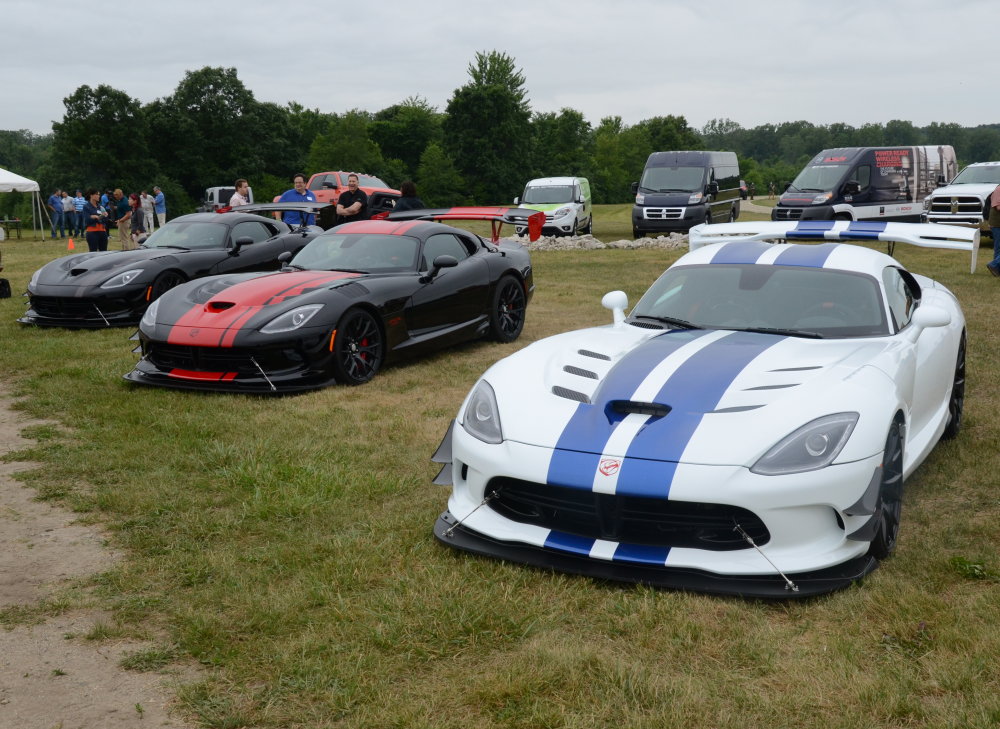
When the Dodge Viper was discontinued back in 2010, many aspects of that process were similar to the end of production in 2017. In both cases, Dodge announced well in advance that production of the supercar would be coming to an end and in both cases, the automaker issued special editions of the car to bid it farewell. In fact, there was even a “Final Edition” package, with 50 examples made for the 2010 model year.
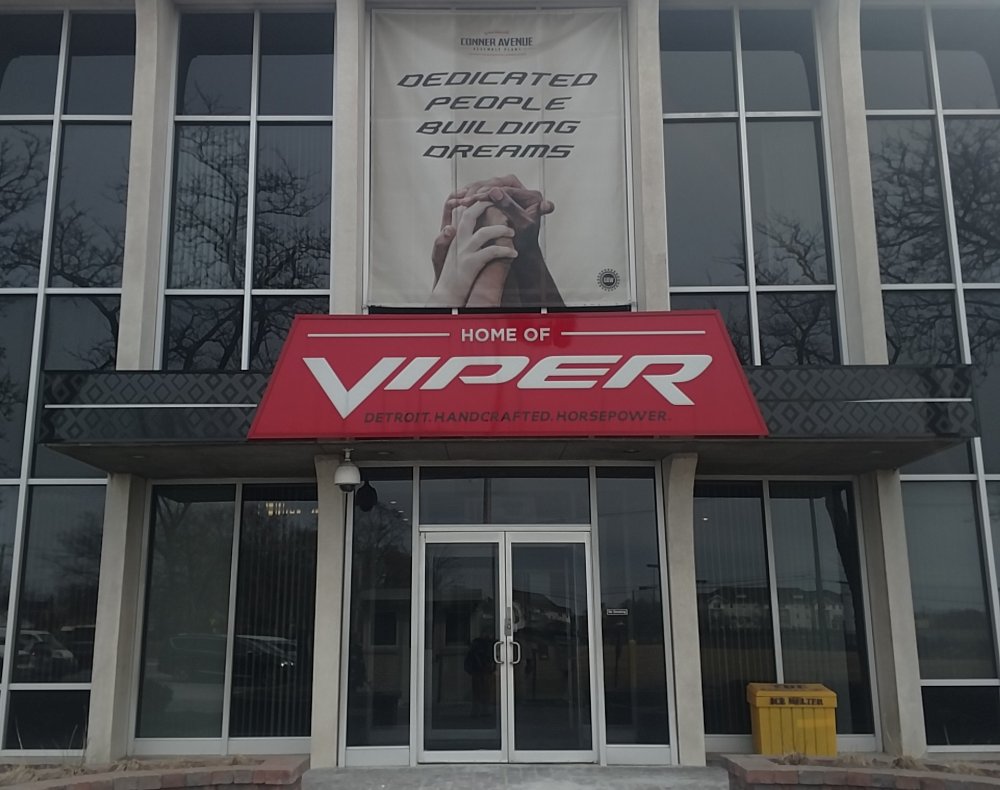
The biggest difference is that when Viper production ended back in 2010, the company didn’t empty out the plant and sell off all of the memorabilia. The fact that the company has removed any chance of production starting back up at Connor Ave leads some people to believe that this really is the end, but I think that the end of a Viper-specific plant improves the likelihood of a replacement in the future.
Dodge didn’t need to kill the Viper altogether, they just needed time to work on it – to make it as incredible when compared to the competition as the original Viper was back in the early ’90s. They need to make it more powerful than all of the competitors while also easing back on the pricing and the first step to doing that was the end of the Connor Ave plant.
Suggestive Comments
In addition to the familiar discontinuation of Viper production, there have been a handful of comments made by company employees in discussions that have curious wording.
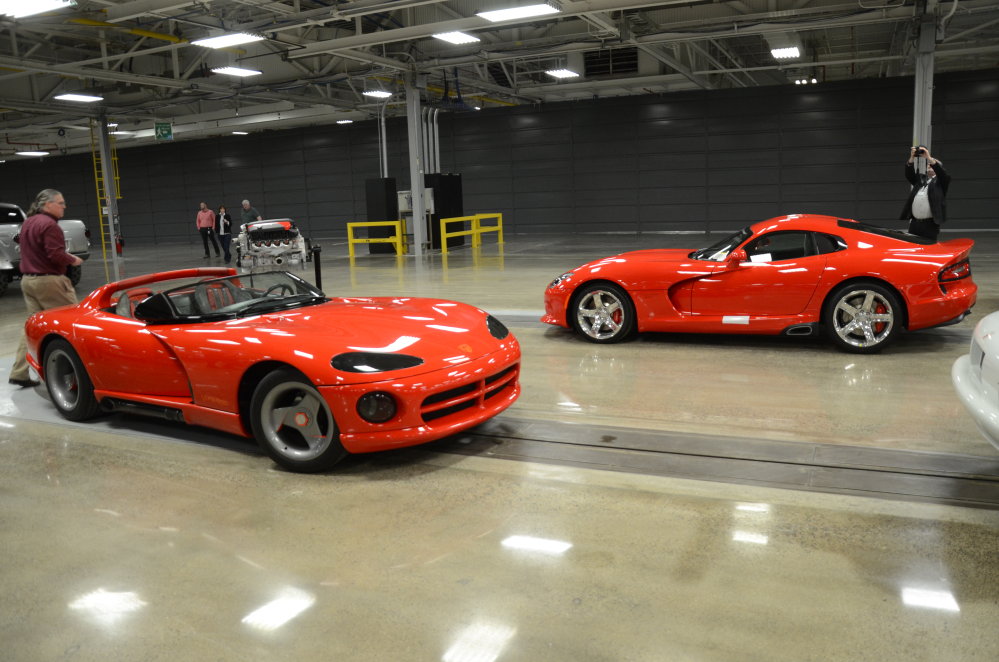
For example, when asked about the option of using the Hellcat Hemi in the Viper, those people involved with the program point out that the supercharged Hemi won’t fit in this Viper. They seem to specify that the Hellcat won’t fit in the engine bay of ‘this Viper’, possibly suggesting that the supercharged Hemi would fit in the engine bay of some other Viper – possibly in the next generation.
‘Of course, most Viper owners and fans will insist that the heart of the Dodge supercar has to be a V10 and not a Hemi.’
Also, when company representatives were speaking about the end of production, they frequently refer to it as “sundown for Viper production” or they say “when the sun went down on Viper production”. These are phrases that were used by various people at the unveiling of the Connor Center museum-type facility and at earlier company events when Viper production came up.
Could the ‘sun down’ comment suggest that the sun will eventually rise? I think so, and I think that the comments about the Hellcat Hemi not fitting in this Viper suggest that some variation of the engine will fit in a future version.
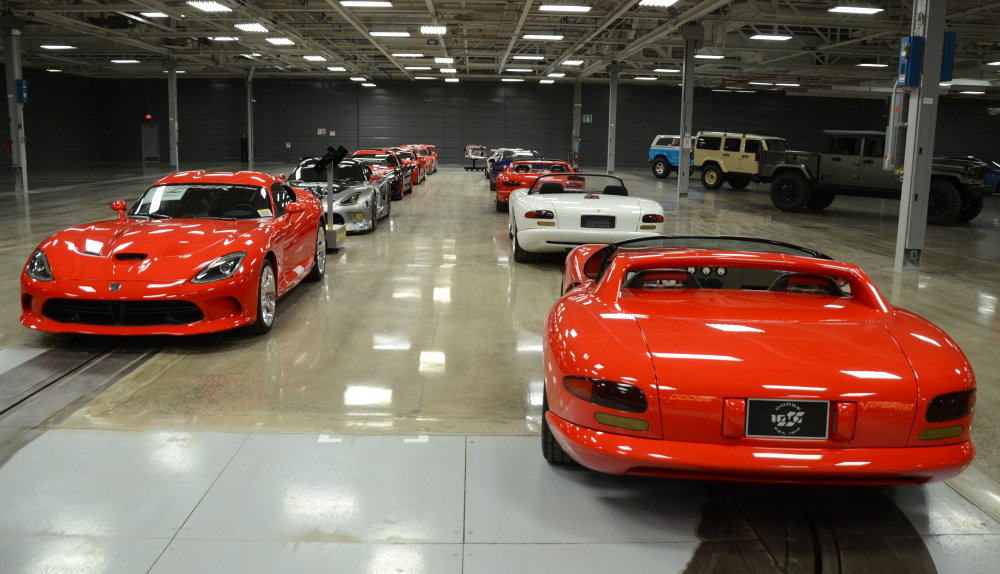
However, for the Viper to slither back into the dealership world, the company will have to figure out where to build it. Once that is addressed, there are a handful of changes that the engineers need to make before the new supercar emerges from the shadows.
Shared Plant
One of the reasons that the Dodge Viper was so expensive to build was the fact that it had its own assembly plant. With only one car being built at Connor Ave, every cost associated with that plant became an expense of building the Viper. Higher build costs lead to higher pricing and while it is fine for the Corvette to be built in its own plant, with 30,000 Chevys built a year, it is much easier for the company to spread costs out over more vehicles, but with Viper production being considerably lower in number, the plant plays a bigger role in vehicle cost.
This is one place where Dodge could improve the Viper. If the next generation was built in a plant where a higher-volume model is produced, the company could effectively lower their build costs and that could lead to lower consumer pricing.
While it is romantic for the Dodge Viper to have its own plant, it makes far better business sense for the car to be built in a plant with other vehicles.
Continued…

You must be logged in to post a comment.