
There’s No Way the Dodge Viper is Gone Forever
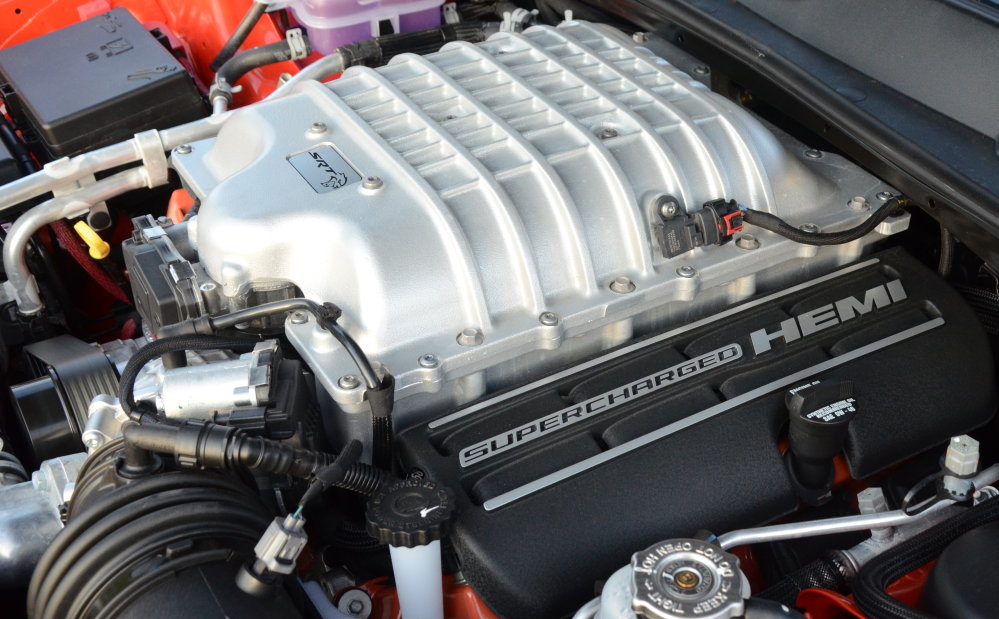
New Engine
Next, Dodge needs to figure out a way to get way more horsepower out of the Viper. While the simple answer is to install the engine from the Hellcat with some improvements, engineers have repeatedly stated that the Hellcat engine is too big to fit in the Gen V car.
Of course, most Viper owners and fans will insist that the heart of the Dodge supercar has to be a V10 and not a Hemi. When the V10 was introduced in the Viper back in the early 1990s, it was by far the most powerful American car on the road, but over the years, the power gap between the Viper and the competitors got smaller and smaller. The C7 Corvette Z06 has more horsepower and more torque than the Gen V car, so there is no question that the Dodge supercar needs more power, but how do they get that extra power?
To satisfy purists and to maintain some of the mystique of the original supercar, I believe that the company will look to an all-new, smaller-displacement V10 with forced induction. The Dodge engineers have proven that they know how to make a great supercharged engine – now they need to apply what they learned with the Hellcat Hemi and apply that to the next generation Viper V10.
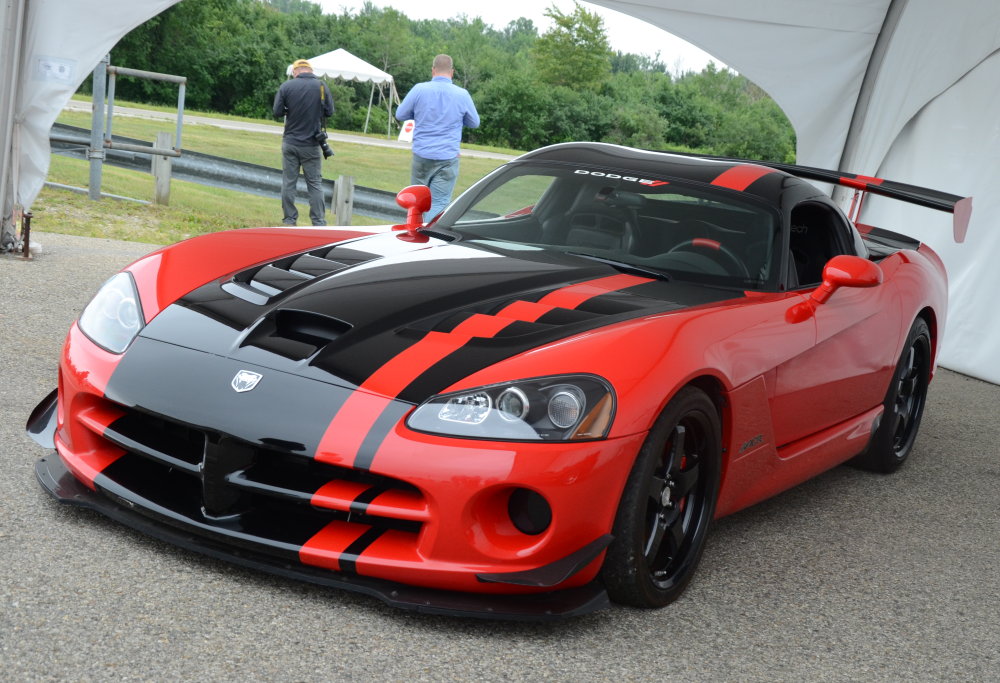
If they can get 808 horsepower from a 6.2-liter V8 Hemi on pump gas, there is no reason why they can’t get more than that from, say, a 6.5-liter V10 with supercharger. Twin turbos are also an option, but they create space issues while the supercharger mounted atop the engine does not.
This supercharged V10 would likely include other high-end engine technology, but the key points would be an engine that is smaller by volume and has more power than the Corvette ZR1 in a car that costs around $100,000. Making the engine smaller would make it a bit more efficient, but more importantly, the new engine needs to weigh less than the 8.4-liter mill from the Gen V car, even with the added forced induction bits. Of course, the added power is self-explanatory and as for the price, keeping it around $100,000 would allow it to favorably compete in price with the Corvette ZR1 while offering superior performance.

Automatic Transmission
When the Dodge Viper was introduced, automatic transmission technology offered a pretty substantial reduction in performance compared to a manual transmission, so of course the Mopar supercar had three pedals. That would be the case with every Viper ever built, but by the time the car left production, the manual transmission had been surpassed by automatic transmission technology.
For example, the Dodge Challenger SRT Hellcat has a similar manual transmission to the one in the Viper, but the Challenger’s 8-speed automatic far outperforms the 6-speed manual in every way.
Of course, in addition to greater performance, the automatic transmission doesn’t require any special skill to drive, so removing the clutch pedal will create a Viper that appeals to those people who can’t drive a stick.
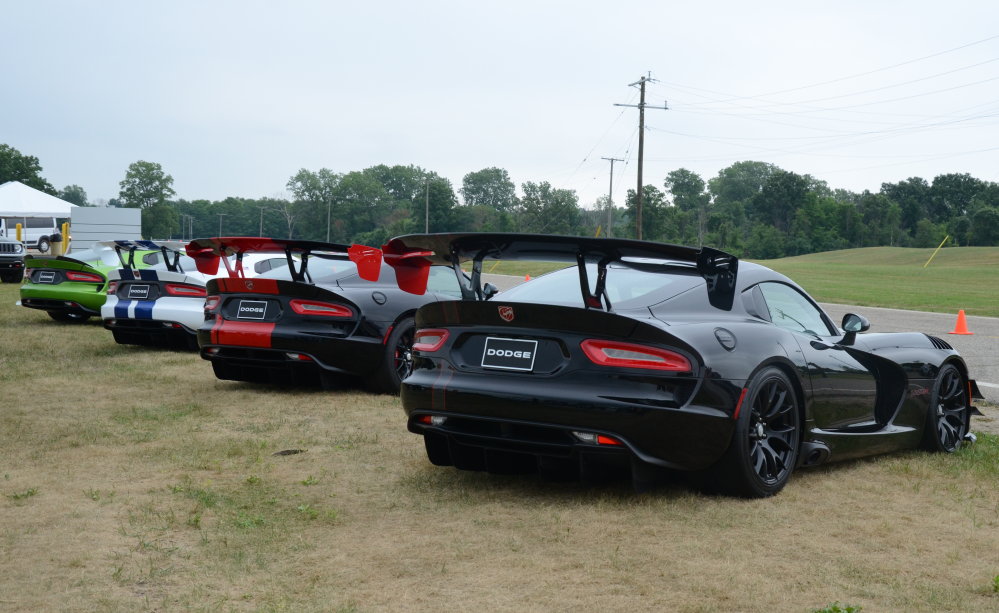
While those comments from company representatives that I consider to be subtle hints to the future of the Dodge Viper could be nothing more than hopeful speculation on my part, I do believe that within the next ten years, there will be a new Mopar supercar. It will couple the handling capabilities of the Gen V car with the performance of the Hellcat Hemi, but possibly in V10 form, and it will beat pretty much any competitor from any automaker in the world – just like the original Viper did back in the early ’90s.
Join the Dodge Forums now!

You must be logged in to post a comment.