


Sinking Brake Pedal


Thread Starter
|
Amateur
Joined: Oct 2014
Posts: 27
Likes: 1
 Sinking Brake Pedal
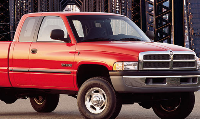
I just want to start by thanking you guys for all the help over the past few years. I brought my 1995 Dodge Ram 2500 in for an inspection. It needed front brake pads and rotors. I pick up the truck and notice when I press hard on the brake the pedal sinks, pretty far to the floor if not to the floor. I immediately brought the truck back to the shop. The mechanic drove the car and said it was fine. He said why are you ,pressing so hard on the pedal. My answer was in case I have to stop short. He said it's not manual brakes. The truck stops the pedal sinks.
I brought the truck for a second opinion. I brought it to the shop who fixed my wiring. This mechanic got my tail lights, brake lights and trailer plug working. He seems to know his stuff. He showed me the front brake hoses one had a tear in it. He changed both front brake hoses. The bleeder valves on the front calipers and rear wheel cylinders were frozen. He got them free and mentioned there wasn't any brake fluid coming out. He drilled out the bleeder valves and was able to bleed the brakes. I picked up the truck same thing brake pedal sinking. I immediately called him. He sat in the car without driving it. He pressed the pedal and felt the same thing I'm feeling. He shut the car off. The pedal stays solid not sinking with the motor off. He said if it was a hydraulic problem the pedal would sink with the car off. He drove it and said the car stops. He said possible the master cylinder is going. It will only get worse if the master cylinder is going. He didn't feel a need to change the master cylinder at this time. It sounded s as though he wasn't positive if something was wrong. He was leaning more toward it's the nature of the beast.
I got an inspection sticker for safety no emissions. The truck is 25 years old. It's a classic.
I brought the truck for a second opinion. I brought it to the shop who fixed my wiring. This mechanic got my tail lights, brake lights and trailer plug working. He seems to know his stuff. He showed me the front brake hoses one had a tear in it. He changed both front brake hoses. The bleeder valves on the front calipers and rear wheel cylinders were frozen. He got them free and mentioned there wasn't any brake fluid coming out. He drilled out the bleeder valves and was able to bleed the brakes. I picked up the truck same thing brake pedal sinking. I immediately called him. He sat in the car without driving it. He pressed the pedal and felt the same thing I'm feeling. He shut the car off. The pedal stays solid not sinking with the motor off. He said if it was a hydraulic problem the pedal would sink with the car off. He drove it and said the car stops. He said possible the master cylinder is going. It will only get worse if the master cylinder is going. He didn't feel a need to change the master cylinder at this time. It sounded s as though he wasn't positive if something was wrong. He was leaning more toward it's the nature of the beast.
I got an inspection sticker for safety no emissions. The truck is 25 years old. It's a classic.

Administrator


Joined: Apr 2010
Posts: 87,399
Likes: 4,214
From: Clayton MI
Need to check the brake line running to the rear. It tends to rust out and break...... If it is only seeping at this point, you will get the sinking pedal, but, won't necessarily see fluid on the ground. It pools up top..... If you just hold steady pressure on the pedal, does it still sink to the floor?

Grand Champion


Joined: May 2019
Posts: 5,146
Likes: 721
From: S.W. Indiana
A master cylinder at the end of it's service life will often sink with pressure on the pedal. It will be worse when the engine is running. As the cups wear and break down inside, fluid pressure will seep past them.Eventually Mr. Pucker will show up when you step on the brake and it goes to the floor. I would have rebuilt or replaced the rear wheel cylinders when they had to be drilled out. Brake parts are so inexpensive but so critical to safety, I don't cheap out on them.

Record Breaker


Joined: Sep 2012
Posts: 2,437
Likes: 73
From: S. Florida
The master cylinder tends to leak into the brake booster, so you don’t see a leak, but you get a sinking pedal and the fluid level drops.
Best to replace the master cylinder sooner than later, and get as much fluid out of/off the booster diaphragm as you can, as the fluid deteriorates the diaphragm (which will become your next problem).
Best to replace the master cylinder sooner than later, and get as much fluid out of/off the booster diaphragm as you can, as the fluid deteriorates the diaphragm (which will become your next problem).

Grand Champion
Joined: Feb 2015
Posts: 7,435
Likes: 578
If the pedal is dropping it's either a leak or bad master cylinder. Could be this rubber lines but you can look at them and see if they are bed. Keep an eye on the fluid level, If you see it go down there is a leak. If it doesn't the leak is internal(bad seals).
Thread Starter
|
Amateur
Joined: Oct 2014
Posts: 27
Likes: 1
Thanks ol' grouch. I dropped the truck off at the second shop for the second opinion. They called me when the truck was ready. They said one rubber hose brake line had a tear so they replaced both lines. Then they told me the bleeder valves were stuck. It took a while to free the bleeders. Then it was after we freed the bleeders there wasn't any brake fluid coming out. They drilled out the bleeder valves. I kind of thought it was penny wise dollar foolish not to to replace the cylinders. Probably by the time they freed the bleeder valves and drilled them out they could have replace the cylinders. I'm in total agreement with you.
Thread Starter
|
Amateur
Joined: Oct 2014
Posts: 27
Likes: 1
Thank you Spillage. I would replace the Master Cylinder or any other parts needed. It's so puzzling that these mechanics are letting the car out of the shop and excepting a sinking pedal as normal. The second shop said maybe the master cylinder is starting to go bad after saying there isn't anything wrong.
Trending Topics
Thread Starter
|
Amateur
Joined: Oct 2014
Posts: 27
Likes: 1
Thank you Moparite. I haven't seen any loss of brake fluid. I guess I'm going to a third mechanic. Unless I ask the shop that said maybe the master cylinder is starting to go bad to change it. It's boggling that I would have to ask. This shop won me over. They were able to get my tail lights, brakes lights back up lights and trailer plug working again. They did what no one else could fix. I could understand there are multiple problems going on in the brake system. To say it's normal for the pedal to sink a little is frustrating. What's more important than brakes?
Thread Starter
|
Amateur
Joined: Oct 2014
Posts: 27
Likes: 1
Thank Hey You. I'll take a look at the brakes lines running to the back. I checked the master cylinder for brake fluid and it doesn't seem to be losing fluid. When I hold steady pressure for a normal stop without pressing too hard on the brake pedal the pedal will stay put. As soon as I start pressing hard on the pedal it sinks. Before I had the rotors changed I stopped hard one time and it wasn't an all out stomp on the brake pedal. I don't remember a sinking pedal feeling. I'm not sure if this started after I had the rotors and front pads changed. I did notice it after the work was done because I wanted to simulate a hard stop. The truck is a 1995. It's pretty basic compared to the 2020 cars. I don't think I'll ever hold onto a newer car too long. If I am having this much trouble with an Edsel imagine a new car when it's old.
Grand Champion
Joined: May 2019
Posts: 5,146
Likes: 721
From: S.W. Indiana
Thank Hey You. I'll take a look at the brakes lines running to the back. I checked the master cylinder for brake fluid and it doesn't seem to be losing fluid. When I hold steady pressure for a normal stop without pressing too hard on the brake pedal the pedal will stay put. As soon as I start pressing hard on the pedal it sinks. Before I had the rotors changed I stopped hard one time and it wasn't an all out stomp on the brake pedal. I don't remember a sinking pedal feeling. I'm not sure if this started after I had the rotors and front pads changed. I did notice it after the work was done because I wanted to simulate a hard stop. The truck is a 1995. It's pretty basic compared to the 2020 cars. I don't think I'll ever hold onto a newer car too long. If I am having this much trouble with an Edsel imagine a new car when it's old.
If the master cylinder is failing, it won't lose fluid. It just loses pressure internally. Keep in mind, there is another rubber flex hose on your truck. From the body to the rear axle is one like the ones at the front wheels.